UK, Germany and France Express Concern Over Chinese Actions East of Taiwan
UK Germany and France express concern – On Wednesday, the United Kingdom, France, and Germany issued a joint statement raising alarms about recent Chinese activities in the waters surrounding the self-governed island of Taiwan. The European nations highlighted the
“novel Chinese activity”
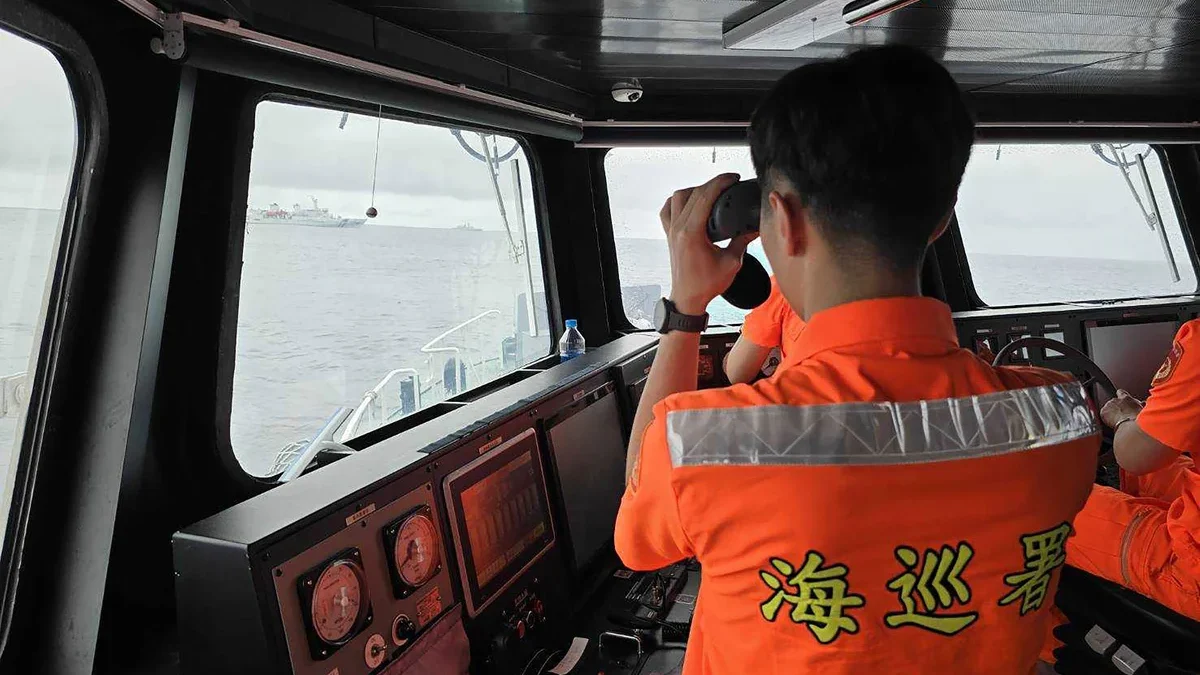
that has taken place east of the island, which they believe could threaten regional stability. This move comes as China has intensified its military presence in the area, deploying coast guard patrols earlier this month to assert control over disputed maritime zones.
The de facto embassies of the three countries in Taipei emphasized that these actions, though not explicitly named, pose a risk to the freedom of navigation and the safety of international shipping. They called for a clear understanding of the situation, urging Beijing to refrain from unilateral changes to the status quo. The statement underscored the importance of maintaining the current balance in the region, particularly as China has not ruled out the use of force to annex Taiwan.
China, which claims Taiwan as its 23rd province, described the operations as a “maritime traffic enforcement and hydrographic survey mission.” According to state media, these activities are meant to demonstrate Beijing’s authority over the area and send a “pointed warning” to neighboring nations like Japan and the Philippines. The countries involved in the maritime boundary discussions are seen by China as challenging its territorial claims, prompting the government to emphasize its readiness to defend its interests.
In a separate development, China recently showcased its military capabilities by sailing its newest aircraft carrier through the Taiwan Strait. The maneuver, conducted just hours after Taiwan initiated a five-day military exercise to simulate its response to a potential Chinese invasion, has drawn attention to the strategic importance of the strait. This body of water, which separates mainland China from Taiwan, has long been a focal point for tensions between the two sides.
“These actions threaten regional stability and the freedom of navigation and safety of international shipping. We reiterate our opposition to any unilateral change to the status quo, particularly by threat or use of force or coercion,” the statement said. The European nations also reiterated their support for navigational rights and freedoms, stressing the need for respect for the safety of all seafarers.
Increased Pressure on Taiwan and Regional Tensions
Over recent years, China has escalated its pressure on Taiwan through frequent military incursions. Daily patrols by naval vessels and aircraft near the island have become routine, with occasional live-fire drills further demonstrating Beijing’s assertiveness. These actions are part of a broader strategy to reinforce control over Taiwan, which remains a key strategic point in the South China Sea.
Meanwhile, tensions between Beijing and Tokyo have also risen. Japanese Prime Minister Sanae Takaichi’s comments last year about the possibility of Japan’s military involvement in a conflict over Taiwan have intensified the diplomatic friction. The Japanese government has been vocal about its concerns over China’s growing influence in the region, particularly as Beijing continues to expand its maritime claims.
Taiwan’s Defense Ministry has confirmed that the island’s military drills are designed to enhance combat readiness in the face of potential Chinese aggression. The exercises focus on testing the speed and coordination of military units, especially in scenarios involving a sudden escalation of what is known as
“grey-zone warfare.”
This term refers to tactics that fall between conventional military operations and full-scale conflict, such as naval patrols, drone flights, and cyber operations. These methods aim to pressure Taiwan without crossing into open warfare.
The recent harassment of commercial vessels by Chinese coast guard ships has been a point of contention. Earlier this month, Taiwan reported that Chinese forces were demanding route information from passing ships, a tactic that could be used to monitor and challenge international maritime traffic. Such actions have been interpreted as part of Beijing’s broader effort to assert dominance in the region.
Analysts note that China’s combination of military and diplomatic moves reflects a strategic approach to consolidate its control over Taiwan. By projecting power in the waters east of the island, Beijing seeks to deter any potential shift in the region’s political landscape. The UK, Germany, and France, as key players in global security, have joined in expressing their concerns, highlighting the importance of maintaining peace and stability in the East Asian region.
Strategic Implications and International Response
The joint statement from the UK, France, and Germany signals a coordinated effort to address growing Chinese assertiveness. The three nations, which have historically supported Taiwan’s autonomy, are now using their collective influence to reinforce the island’s position. This aligns with broader Western efforts to counter Beijing’s expanding territorial ambitions, particularly in the South China Sea.
While China has maintained that its activities are routine and non-confrontational, the international community has viewed them as a calculated move to increase pressure on Taiwan. The deployment of coast guard vessels, coupled with the presence of the new aircraft carrier, underscores Beijing’s commitment to reinforcing its claims through both symbolic and practical demonstrations of military strength.
Furthermore, the timing of the aircraft carrier’s passage through the Taiwan Strait, following Taiwan’s military exercises, has been interpreted as a show of force. This move aims to assert Beijing’s dominance in the region and send a clear message to Taiwan and its allies. The European nations, in their statement, have emphasized the need for continued dialogue to prevent any accidental escalation of hostilities.
As China continues to push its maritime boundaries, the situation remains critical. The UK, France, and Germany’s concerns reflect a growing recognition of the strategic implications of Beijing’s actions. With regional stability at stake, the international community is closely monitoring developments to ensure that any potential conflict is managed through diplomatic channels.
Overall, the coordinated response from the UK, France, and Germany highlights the importance of maintaining a delicate balance in the region. Their statement serves as a reminder of the potential consequences of unilateral actions by Beijing and underscores the need for a unified approach to safeguard freedom of navigation and international security.