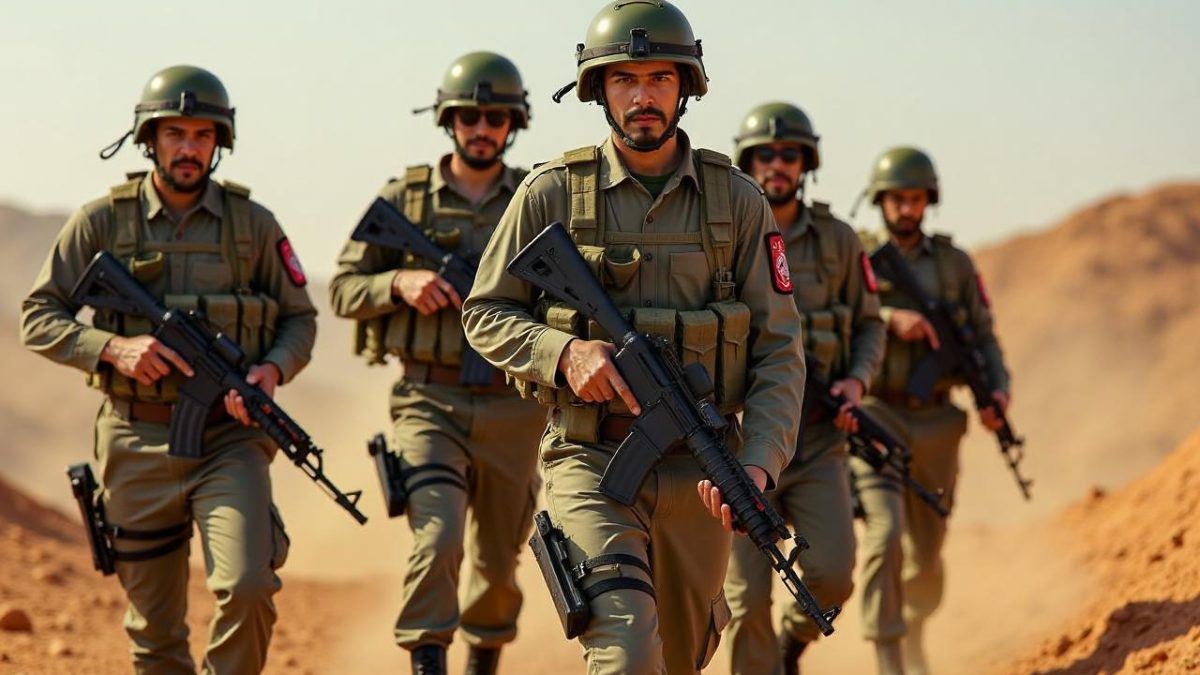
Three Rangers and Three Militants Fall in Karachi Attack on Paramilitary Base
Three rangers and as many militants – On Saturday evening, a coordinated assault on a paramilitary camp in Karachi claimed the lives of three Sindh Rangers and three militants, according to Pakistani military sources. The attack, which occurred along a major thoroughfare near several educational institutions, left four security personnel injured and marked a significant escalation in cross-border terrorism targeting Pakistan’s forces.
Breakaway Faction Claims Responsibility
Jamaat-ul-Ahrar, a splinter group of the Pakistani Taliban, announced its involvement in the attack shortly after it unfolded. The group, which has operated independently of the main Taliban network in recent years, accused Pakistan’s security apparatus of failing to neutralize its operatives. However, the military has labeled the faction as an “Indian proxy” without presenting conclusive evidence to back the claim.
The incident unfolded as militants detonated a bomb near the entrance of the Sindh Rangers’ facility, creating a breach in the perimeter defenses. Following the explosion, gunfire erupted, resulting in casualties among both security personnel and attackers. The military’s press release stated that one of the assailants was apprehended and identified as an Afghan national, suggesting a potential link to militant groups operating in the region.
Eyewitness Accounts Highlight Chaos
“The ground felt like it does when there is an earthquake,” said Mohammad Bakhsh, a 40-year-old resident of the area. He described the scene as he was engaged in prayer at a nearby mosque when the explosion shook the vicinity. “When we came out, there was smoke everywhere. Then the gunfire started.”
Local witnesses corroborated the account, noting that the attack occurred around 8pm local time. The location, a high-traffic road close to universities and the Pakistan Meteorological Department, intensified the impact of the violence. The blast and subsequent gunfire disrupted daily life in the city, prompting swift emergency responses from nearby residents and authorities.
Security Forces Mobilize for Retaliation
Following the attack, Pakistan’s military declared that operations were still underway in the area. Officials warned of a potential retaliatory strike against the perpetrators, emphasizing the seriousness of the threat. The Sindh Rangers, a federal paramilitary force, were praised for their quick action in thwarting the assault, though the attack underscored vulnerabilities in their security protocols.
The military’s media office detailed the sequence of events, stating that the militants used the bomb to create an opening before engaging in a gunfight. Despite their efforts, the Rangers managed to neutralize the threat, with three attackers killed and one captured. This outcome, however, has not fully calmed concerns about the growing militant presence in Karachi.
Historical Context and Regional Tensions
Pakistan has long been a target for militant groups operating in Afghanistan. In recent months, the country has conducted airstrikes inside the neighboring nation, claiming to eliminate militants linked to attacks on its soil. This latest incident aligns with a pattern of cross-border strikes, raising questions about the effectiveness of such operations in curbing militant activity.
Defense analysts note that the attack on the Sindh Rangers reflects a broader strategy by Afghan militant factions to exploit Pakistan’s security forces. The involvement of Jamaat-ul-Ahrar, which has previously targeted government installations in the region, highlights the group’s ambition to escalate conflict. Kabul, the Afghan capital, has consistently denied allowing militant groups to use its territory for such attacks, though Pakistan maintains that Afghan soil remains a breeding ground for terrorism.
Leadership Condemns the Attack
In response to the incident, Pakistan’s President Asif Ali Zardari issued a statement mourning the three Rangers killed and expressing solidarity with their families. He also extended his best wishes to the wounded, acknowledging the bravery of Pakistan’s security forces in the face of ongoing threats.
Prime Minister Shehbaz Sharif echoed Zardari’s sentiments, condemning the attack and commending the rapid response of the paramilitary unit. The leaders’ joint statements reinforce the government’s commitment to combating militancy, even as they highlight the challenges posed by cross-border operations.
Rising Threat of Militant Attacks
Pakistan has experienced a surge in militant attacks targeting its security forces in recent years. Saturday’s incident in Karachi is the most severe in the city since an explosion in October 2024 that targeted a Chinese convoy and killed two foreign nationals. This event has intensified discussions about the need for enhanced security measures and improved coordination with Afghan authorities.
Experts warn that the frequency of such attacks indicates a strategic shift in militant tactics. While the Sindh Rangers have been a cornerstone of Pakistan’s security infrastructure, the breach in their defenses suggests that groups like Jamaat-ul-Ahrar are becoming more adept at planning and executing attacks. The military’s emphasis on retaliation signals a broader campaign to disrupt these operations and assert control over the region.
Public Reaction and Calls for Unity
The attack has sparked mixed reactions among the public. While many residents expressed concern over the violence, others emphasized the need for collective action to address the root causes of extremism. Social media platforms saw a surge in posts urging support for the security forces and criticizing the perceived inaction against militant groups.
Local leaders and activists have called for increased funding and resources to bolster the paramilitary units, arguing that the current level of preparedness is insufficient. They also highlighted the importance of diplomatic efforts with Afghanistan to prevent the flow of militants across borders. Despite these calls, the military remains focused on immediate countermeasures, with officials vowing to hold those responsible accountable.
The incident in Karachi serves as a stark reminder of the persistent threat posed by militant networks operating in South Asia. As the government prepares for further operations, the balance between domestic security and international cooperation remains a critical challenge. The attack’s aftermath is likely to shape discussions on military strategy, regional alliances, and the future of Pakistan’s fight against terrorism.
Meanwhile, the public continues to grapple with the reality of daily threats. For Mohammad Bakhsh and others in the affected area, the attack has not only shaken their sense of safety but also rekindled fears of a prolonged security crisis. As the Sindh Rangers reinforce their defenses, the nation watches closely for signs of a larger conflict unfolding on its borders.
Refresh the page or navigate to another section to ensure automatic login. Your browser may need to be updated for optimal performance. For more information, explore our privacy notice to understand how we handle your data. Stay informed and engaged with the latest updates from The Independent.