Paralysed Patient’s Struggles Highlight Accessibility Gaps in Mental Health Care
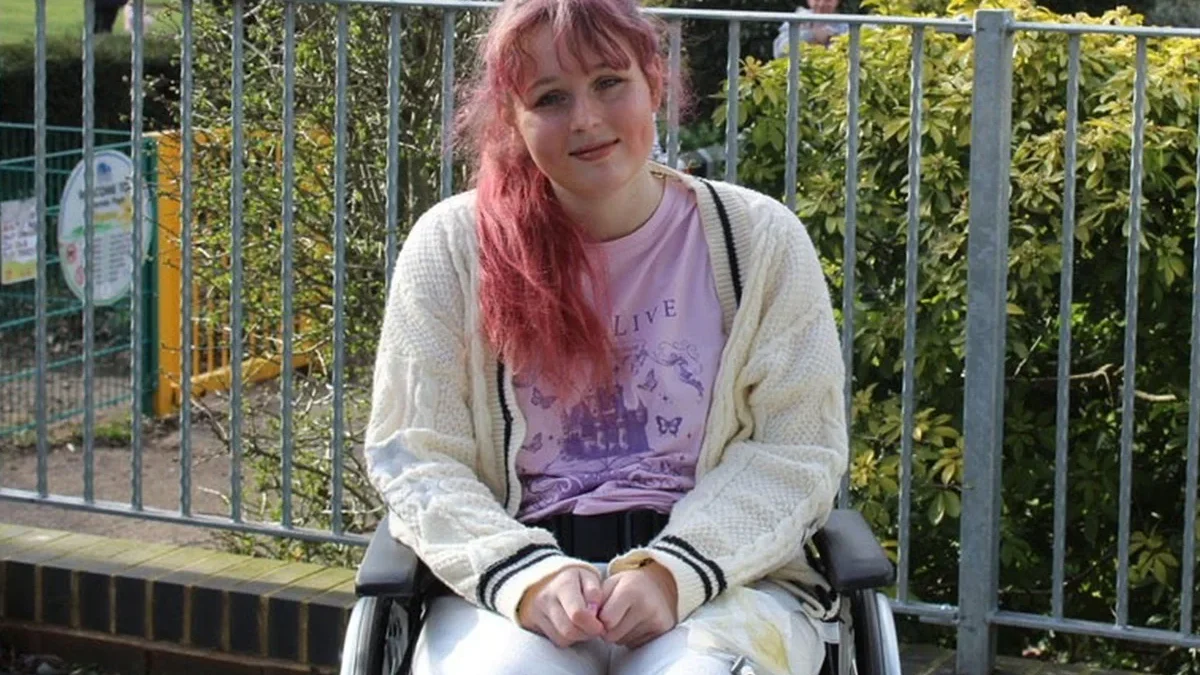
Paralysed patient forced to wash – Niamh Buckell’s final days in a psychiatric facility were marked by daily challenges that went beyond her spinal cord injury. The 21-year-old, paralyzed from the waist down, was reportedly forced to use baby wipes for personal hygiene and sleep on a mattress placed directly on the floor due to the lack of wheelchair-accessible facilities at Melbury Lodge, a mental health unit in Winchester. Her family has since called for systemic changes to ensure patients with physical disabilities are treated with dignity in healthcare settings.
The incident unfolded over a period of 10 months, during which Niamh was an inpatient at Melbury Lodge. Her condition, resulting from a spinal injury sustained in January 2025, left her wheelchair-bound and reliant on specialized medical care. Despite her longstanding history with mental health services—spanning four years—she faced recurring difficulties in accessing essential amenities. The lack of suitable washing and toilet facilities meant she often had to use communal areas, which were frequently monitored by male carers, according to her family. This arrangement reportedly caused her significant discomfort and feelings of embarrassment.
“She found the situation difficult, and her dignity was being compromised,” said Bella Kirwan, Niamh’s friend and spokesperson for the family. “It had a big impact on her, leaving her feeling humiliated.” The situation worsened when Niamh was placed on an unsuitable mattress for a month, enduring chronic pain as she awaited repairs to her specialist height-adjustable bed. Her family described this as a critical factor in her physical suffering, compounding the challenges of her spinal injury.
In May 2026, just days after being transferred to Elmleigh Hospital in Havant, Niamh was found dead. Her family now seeks assurances that mentally vulnerable individuals with physical disabilities receive appropriate care, emphasizing the need for wards to be fully equipped with accessible infrastructure. They argue that the failure to address these issues contributed to her deteriorating state, even as she awaited a more suitable environment.
Complaints and Institutional Acknowledgment
Following her death, Niamh’s family lodged formal complaints with Hampshire and Isle of Wight NHS Trust, which acknowledged the shortcomings in the facility’s design. In a letter shared with The Independent, the trust admitted that the current setup for washing facilities was inadequate for wheelchair users, noting that the environment “was not fit for wheelchair access.” While they expressed regret for her discomfort, they highlighted that male staff were sometimes required to supervise female patients due to clinical needs, staffing constraints, and the skill mix of the team.
The trust also took responsibility for the use of a seclusion mattress—a heavy-duty foam mattress without zippers or cords—during Niamh’s stay. This type of mattress is typically used in high-risk settings to prevent patients from removing it, but Niamh’s family argued it was unsuitable for her. They noted that the hospital had promised a care plan to address her needs, yet the delays in repairs left her without the support she required.
Niamh’s family had previously raised concerns about the lack of training for staff in handling restraint procedures. During her time at Melbury Lodge, they claimed that caregivers were not equipped to manage her episodes of mental distress effectively, resulting in her being restrained for days and suffering severe pain. Miss Kirwan emphasized the importance of proper monitoring, stating, “I was concerned she wasn’t being properly monitored and given the correct treatment to mitigate the pain she endured as a result of being restrained. She was much more vulnerable to pain and injury.”
A Life Cut Short by Systemic Failures
Before her admission to the hospital, Niamh was known for her vibrant personality and passions. She was an avid sports enthusiast, a talented artist, and a devoted fan of musician Phoebe Bridgers. Her mental health struggles, however, escalated to the point where she attempted to take her own life in January 2025, leading to the spinal injury that left her paralyzed. After six months of treatment at Southampton General Hospital, she was transferred to the Rosemary Ward at Melbury Lodge, a general acute psychiatrist unit not designed to accommodate patients with complex physical needs.
Her family reported that the ward’s design and staffing practices created additional barriers. For instance, staff had not received specialized training to handle patients with mobility issues, which meant Niamh was often left without the assistance she needed. This lack of preparation, combined with limited nursing availability, restricted her ability to participate in activities or access the garden—a common feature in most psychiatric units. Niamh reportedly expressed anxiety about being denied such opportunities if she had self-harmed, a concern her family said aimed at discouraging her from escalating her mental health crisis.
Despite these challenges, the trust maintained that restraint was used as a “last resort” when behavior posed an immediate risk. They stated that the previous ward matron had already raised the issue, and a care plan was in place to address it. However, the family argued that the plan was insufficient and that the process of securing a more appropriate placement was slow, leaving Niamh in a state of prolonged discomfort. The trust admitted that transferring her to another unit was “not a quick process,” underscoring the systemic delays that may have impacted her care.
The case of Niamh Buckell has sparked broader discussions about the intersection of mental health and physical accessibility in healthcare. Her family’s call for improved facilities and staff training highlights the need for facilities to be designed with the diverse needs of patients in mind. As the NHS Trust continues to address these concerns, the tragedy serves as a reminder of the critical role that accessible environments play in supporting recovery and maintaining dignity for individuals in vulnerable states.
“The lack of appropriate infrastructure and training can have lasting effects on a patient’s well-being,” Miss Kirwan said. “Niamh’s experience shows that even with good intentions, systemic failures can lead to devastating consequences.” Her family hopes their story will prompt reforms to ensure no other patient faces similar hardships in the future.