Ukraine-Russia War Developments: Zelensky’s Strikes and Strategic Shifts
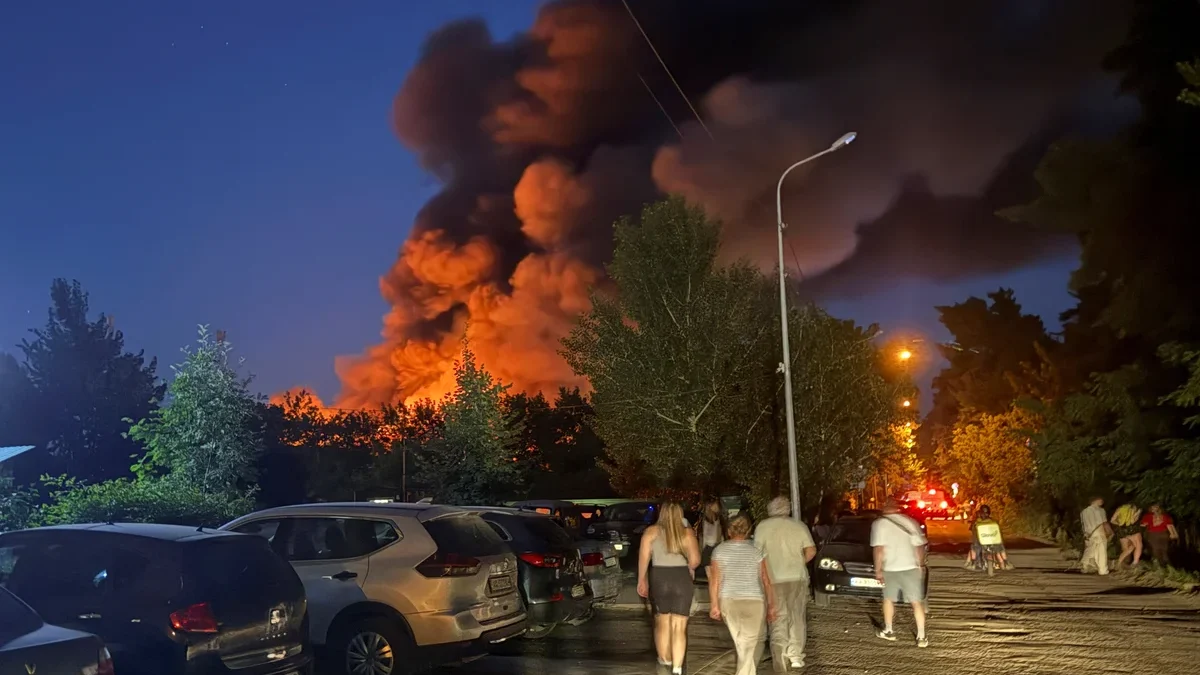
Ukraine Russia war latest – Following a series of aerial assaults on Russian oil facilities, Ukrainian President Volodymyr Zelensky has reaffirmed his commitment to escalating attacks on Moscow’s energy infrastructure. The strikes, carried out by drones, targeted two refineries in the southern Krasnodar region and the Yaroslavl region, sparking significant fires and disrupting fuel supplies across Russia. These actions mark a pivotal moment in the ongoing conflict, as Kyiv seeks to undermine Russia’s war capabilities by targeting critical resources.
The attacks on the refineries were reported to have caused severe disruptions, with the Krasnodar governor, Veniamin Kondratiev, confirming that a fire broke out at the Slavyansk-na-Kubani facility. One individual was killed, and another was injured in a nearby village, underscoring the escalating intensity of the assaults. Meanwhile, Russia retaliated by launching ballistic missiles at Kyiv in the early hours of Sunday, resulting in at least two casualties. The strikes, which have become a recurring feature of the war, are part of a broader strategy to counter Ukraine’s advances and assert control over key territories.
“We continue our operations that weaken Russia’s ability to wage this war. Each of our long-range sanctions means fewer resources serving Russia’s war machine, and another step toward peace,” Zelensky stated in a recent address. His remarks highlight the dual focus of the Ukrainian military: not only to disrupt Russian logistics but also to signal a shift in the war’s trajectory toward potential resolution.
Zelensky’s decision to authorize a 40-day offensive comes after consultations with the head of Ukraine’s security service. The offensive aims to exert pressure on Russia, forcing it to reconsider its stance in the conflict. This move is seen as a strategic response to Russia’s continued aggression, with the hope of creating a lasting impact on its military operations. The Ukrainian president emphasized that the strikes are part of a broader effort to bring the war back to Putin’s doorstep, a symbolic move that underscores Kyiv’s determination.
Recent attacks on Russian refineries have intensified, with Ukrainian drones penetrating Russian air defenses to strike targets in Moscow. This marks the second such assault on the capital in three days, demonstrating a growing capability to challenge Russia’s strategic position. The footage from these strikes has circulated globally, illustrating Ukraine’s ability to deliver precision strikes and keep the war’s momentum in its favor. Such successes have led to acute fuel shortages across Russia, from occupied Crimea to the remote regions of Siberia, effectively tilting the balance in Kyiv’s favor as peace talks reemerge as a possibility.
The offensive is also linked to the broader context of Russia’s territorial gains. Reports indicate that Russian forces have seized two villages in southeast Ukraine: Pysantsi in the Dnipropetrovsk region and Novoselivka in the Zaporizhzhia region. These captures are a testament to the shifting dynamics on the ground, as Kyiv faces both military and logistical challenges. The timing of these actions coincides with Zelensky’s public appeal to Putin, urging him to withdraw from Ukraine and take a step toward peace. This dual approach—combining military strikes with diplomatic overtures—aims to pressure Russia into a more favorable position.
The Ukrainian strategy has evolved significantly over the past months. By leveraging a growing arsenal of advanced drones, the military has been able to overwhelm Russian defenses and target critical infrastructure with greater precision. This technological edge has allowed Kyiv to maintain a strategic advantage, even as the conflict intensifies. The impact of these strikes is not limited to immediate damage; they also serve as a psychological tool, reminding Russia of its vulnerabilities and the potential for further setbacks.
Amid these developments, a Scottish mercenary, Stefan Sivers, has reportedly gone missing and is presumed dead. Sivers, who fought alongside Ukrainian forces in the Kharkiv region, was described as “destroyed” by a Kremlin-aligned channel last month. The UK’s Foreign Commonwealth and Development Office has since confirmed it is in contact with his family, expressing support for their situation. The spokesperson noted that the department is working closely with local authorities to provide assistance and gather information on Sivers’ whereabouts.
These events have coincided with a growing concern over Russia’s military effectiveness. Analysts suggest that the relentless attacks on energy infrastructure are forcing Putin to reconsider his tactics, as the war’s logistical challenges mount. The situation has also brought attention to the potential for international support to play a key role in Ukraine’s ability to sustain its offensive. With allies rallying behind Kyiv, the country is positioned to continue its campaign, despite the risks involved.
The broader geopolitical implications of the conflict remain significant. As Russia faces internal pressures and external challenges, the war has become a focal point for global diplomacy. The UK’s involvement, alongside other NATO allies, is crucial in providing the necessary resources and backing for Ukraine’s efforts. Meanwhile, the Scottish mercenary’s fate has sparked discussions about the personal toll of the war on foreign volunteers and the importance of international solidarity.
Adding to the complexity of the situation, Serbia’s political landscape has also shifted. Serbian President Aleksandar Vucic announced plans to resign within weeks, paving the way for early presidential and parliamentary elections. This decision follows 18 months of anti-government protests, which have demanded reforms and a change in leadership. While Serbia is a candidate for EU membership, the current political climate may influence its path toward integration, as domestic issues take precedence.
As the war enters a new phase, the focus on energy infrastructure and the psychological impact of strikes on Russia’s leadership is expected to intensify. Zelensky’s commitment to continued attacks, coupled with the strategic offensive, signals a determined effort to secure a lasting advantage. The outcome of these actions will likely shape the future of the conflict, with both sides poised to make critical decisions in the coming weeks.