Energy Price Cap to Increase by 13% in July, But Stability Expected in October
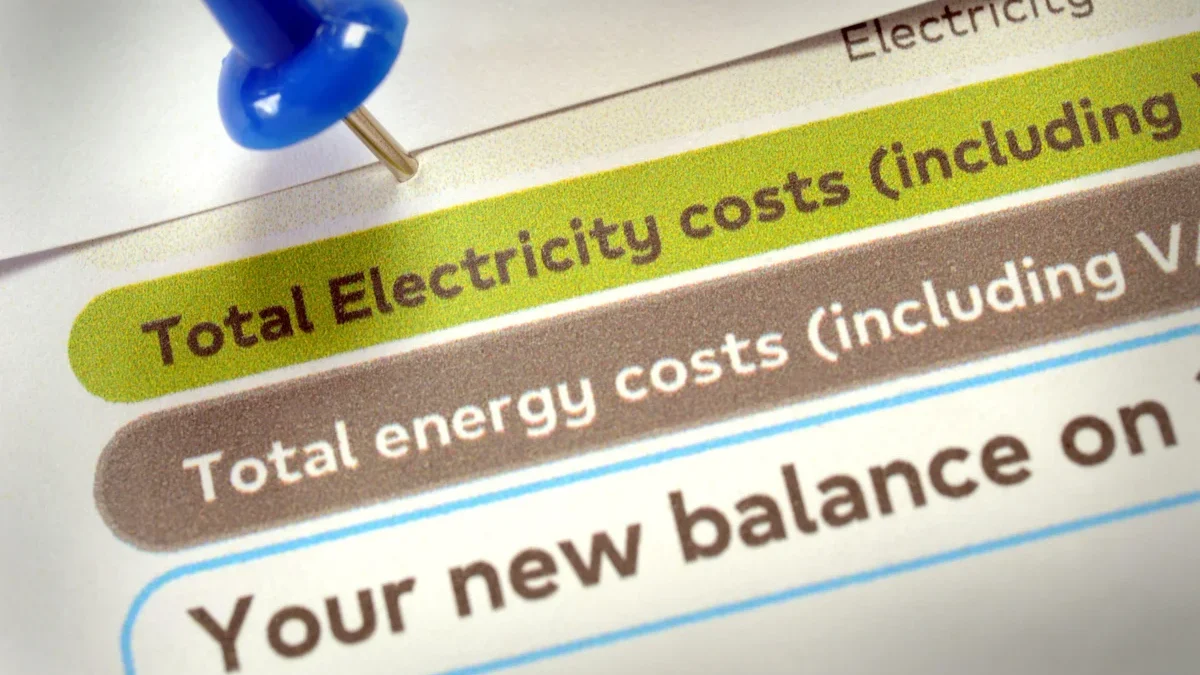
Energy price cap to jump 13 – Starting from Wednesday, household energy prices are expected to rise by £221 annually, marking a 13% increase under Ofgem’s price cap. This adjustment will bring the average annual cost for energy to £1,862 for families using both electricity and gas. However, the surge in wholesale energy costs, which had been fueling rapid price hikes, may ease by October, potentially halting further increases. This shift comes amid renewed diplomatic efforts to resolve tensions in the Middle East, with Iran and the U.S. agreeing to a temporary truce that has eased pressure on global markets.
Wholesale Costs Retreat After Middle East Accord
The recent energy price surge was largely driven by the escalating conflict in the Middle East. When Iran retaliated against U.S. and Israeli strikes by blocking the Strait of Hormuz, a vital shipping route for a fifth of the world’s oil and gas, prices soared. This disruption caused significant volatility in the energy sector, pushing costs to unprecedented levels. However, the interim peace deal between the U.S. and Iran has allowed the Strait to gradually reopen, which has already begun to stabilize oil and natural gas prices. As a result, the cost of power bills in the UK may not see further escalation in October, offering respite to households facing financial strain.
October Stability Seen as a Relief for Consumers
Analysts at Cornwall Insight have indicated that the energy price cap is likely to remain unchanged in October. This comes as a welcome relief after concerns that the cap might rise again during the autumn, coinciding with the increased use of heating as temperatures drop. The stability in October is attributed to the ongoing diplomatic progress, which has reduced the immediate threat of another energy crisis. Nevertheless, the government’s decision on whether to implement additional support measures for winter energy costs remains uncertain, pending further developments in the region.
Record Debt Owed to Energy Suppliers Highlights Crisis
Recent data from Ofgem revealed that the debt owed to energy suppliers hit a new high of £4.79 billion during the three months ending in March. This figure represents a 5% rise compared to the previous quarter and a 15% year-on-year increase, underscoring the growing financial burden on consumers. The data reflects the persistent challenges families face with rising bills, even as the price cap provides some temporary relief. The mounting debt suggests that households may need additional support to manage their energy expenses during the colder months.
Good Energy Calls for Market Reforms to Cut Bills
Renewable energy provider Good Energy has urged the incoming prime minister to implement structural reforms in the energy market. In a report titled *Rewiring the Market: How to Tackle the Hidden Causes of High Energy Bills*, the company argues that shifting policy-related costs from energy bills to general taxation could alleviate financial pressure on households. Additionally, breaking the link between gas and electricity prices and incentivizing clean energy investments through Bank of England loans are proposed measures to reduce long-term costs. These steps, according to Good Energy, could save families an extra £158 annually, providing sustainable relief from rising energy prices.
Nigel Pocklington, chief executive of Good Energy Group, emphasized that the current system has been repeatedly tested by external conflicts, leading to unpredictable cost spikes. “The last five years have shown how vulnerable our energy market is to geopolitical instability, highlighting the need for urgent changes to ensure fairness and affordability,” he stated. The CEO warned that without reforms, households could continue to face payment shocks during the winter months, especially if gas prices remain high. He called on the next prime minister to outline a clear strategy for reducing reliance on volatile gas markets and transitioning toward a more stable, sustainable energy system.
Chancellor’s Role in Addressing Winter Costs
With the leadership change following Sir Keir Starmer’s resignation, the identity of the next Chancellor remains uncertain. However, cost-of-living pressures and energy bill concerns are expected to be central to their priorities. Rachel Reeves, who previously expressed willingness to consider support measures in the autumn if prices remain high, has not yet finalized her plans. Her stance could determine whether additional financial assistance is introduced to help households cope with winter energy expenses.
The temporary stability in October, while positive, does not eliminate the risk of a sharp price increase in the coming months. If the Middle East conflict resurfaces or if global oil prices rebound, the price cap could rise again, intensifying the financial strain on families. Meanwhile, the debate over energy policy reforms continues, with experts and industry leaders advocating for systemic changes to prevent future crises. As Ofgem prepares to announce the October-to-December price cap on or before August 26, the government faces mounting pressure to act decisively and ensure affordability for households throughout the winter season.
Pathways to a Sustainable Energy Future
Good Energy’s report outlines several actionable pathways to address the root causes of high energy bills. One key recommendation is to decouple energy costs from policy expenses, allowing the government to fund initiatives through general taxation rather than passing them on to consumers. This approach would provide more flexibility in managing energy prices and reduce the impact of global market fluctuations. Another proposal is to break the connection between gas and electricity pricing, which has historically amplified cost volatility. By introducing separate pricing mechanisms, the market could become more resilient to external shocks.
The company also highlights the importance of incentivizing renewable energy investments. Through targeted loans from the Bank of England, businesses could be encouraged to transition toward cleaner energy sources, reducing dependency on fossil fuels and long-term price instability. Pocklington stressed that such reforms are essential for creating a sustainable energy system that benefits both the environment and consumers. “Our current system prioritizes short-term gains over long-term affordability, leaving households exposed to unpredictable costs,” he said. “Reforming the market now will ensure that families are not burdened by rising bills in the future.”
As the energy market adjusts to the new political and economic landscape, the interplay between global events and domestic policy decisions will remain critical. While the immediate relief in October is a positive sign, the long-term stability of energy prices hinges on the government’s ability to implement structural changes. The upcoming announcement by Ofgem will set the tone for the next quarter, but the broader challenge of balancing affordability, sustainability, and market dynamics will require sustained attention. With the next prime minister set to take the helm, the focus will shift to whether these reforms can be realized in time to support households through the winter months.