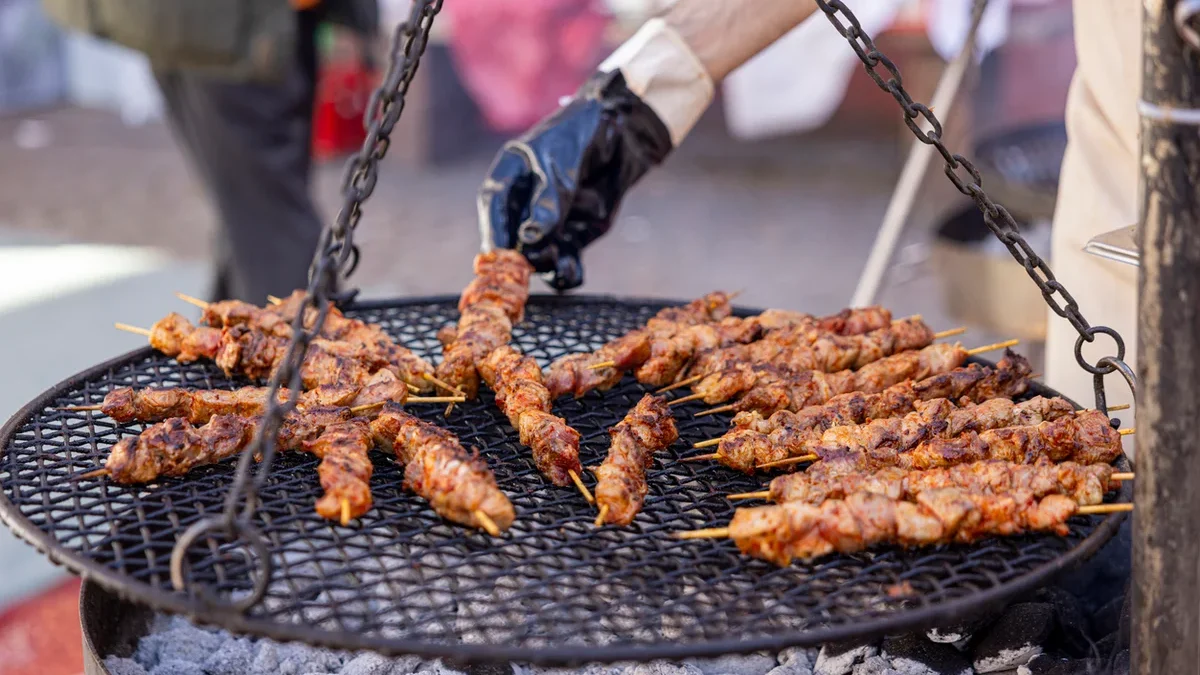
The Science Behind Why Cooking Over an Open Flame Makes Food Taste So Good
The science behind why cooking over – Barbecue’s ability to transform simple ingredients into irresistible, aromatic dishes has long captivated food lovers. The combination of smoky scents and deep, savory flavors evokes a primal sense of comfort, making it a staple of summer gatherings. But beyond the sizzle and the char, there’s a fascinating chemical interplay at play that defines the unique character of grilled foods. Understanding this process reveals why open-flame cooking consistently delivers a taste experience that’s unmatched by other methods.
Heat Transfer: Conduction vs. Radiation
Barbecue’s effectiveness stems from its dual approach to heat transfer. When food is placed directly on the grill grates, it undergoes conduction, where heat is transferred through physical contact. This method rapidly sears the surface, creating a caramelized crust that locks in juices and enhances flavor. However, the true versatility of barbecue lies in its ability to leverage radiation as well. As flames below the grates emit heat, they indirectly cook the food’s exposed surfaces—such as the sides of meats or vegetables—through thermal waves. This combination of techniques allows for precise control over doneness, ensuring that the exterior is charred while the interior remains tender. In contrast, stovetop cooking relies almost entirely on conduction, with less opportunity for the radiant heat that defines the barbecue experience.
Maillard Reaction: The Flavor Catalyst
At the heart of barbecue’s appeal is the Maillard Reaction, a complex chemical process that occurs when proteins and sugars in food are exposed to high temperatures. This reaction, which takes place between 250°F and 450°F (120°C to 230°C), produces a spectrum of aromatic compounds that contribute to the savory, meaty notes we associate with grilled dishes. The intensity of this reaction varies with temperature and time, explaining why a steak cooked over direct heat develops a rich, browned crust while a slow-cooked roast may exhibit a milder, more nuanced flavor profile. Ingredients like marinades or rubs can further influence the outcome, introducing acidity or sweetness that alters the reaction’s course.
Caramelization: Sweetness in the Smoke
Vegetables offer a different but equally compelling perspective on open-flame cooking. Unlike meats, which rely on proteins for flavor, vegetables derive much of their appeal from caramelization. This process occurs when sugars in produce, such as onions, peppers, or corn, break down under heat, forming smaller molecules like maltol and furan. These compounds contribute to the toasty, nutty, and caramel-like notes that elevate grilled vegetables from simple fare to gourmet delights. The open flame’s ability to allow liquids to evaporate or drip away—rather than being retained by a pan—ensures that these reactions can unfold without interference, creating a more intense and concentrated flavor.
The Art of Char: A Delicate Balance
Char is another defining characteristic of barbecue, adding layers of complexity to the final dish. When food is exposed to prolonged heat, its molecules begin to break down, leaving behind carbonized residues that impart a smoky, robust flavor. This process is not entirely destructive; it’s a natural consequence of thermal degradation, where the food’s structure is altered to create new compounds. While excessive charring can lead to undesirable bitterness, a controlled amount of carbonization enhances the depth of taste. The key is balance—too much heat, and the food becomes inedible; too little, and the flavor remains underdeveloped.
Smoke: The Flavor Enhancer
Smoke is the invisible thread that weaves through every barbecue experience, infusing food with its distinct character. Generated by the burning of wood or charcoal, smoke contains a mix of gases, water vapor, and minute solid particles that interact with the food as it cooks. These particles carry the essence of the fuel, embedding smoky undertones into the dish. Even gas grills contribute to this effect, as melting fats drip onto the heat source, creating smoke that envelops the food. This process not only imparts flavor but also acts as a natural preservative, extending the shelf life of grilled items.
Health Implications: The Double-Edged Sword of Smoke
While the smokiness of barbecue is undeniably appealing, it comes with a caveat. Certain compounds formed during the charring process—such as heterocyclic amines (HAAs) and polycyclic aromatic hydrocarbons (PAHs)—are classified as potential carcinogens. These molecules are created when amino acids and sugars in food react at high temperatures, or when fat drips onto the flame and produces smoke. Though the risk associated with these compounds is generally lower than that of smoking, they underscore the importance of moderation. Limiting charring, for instance, can significantly reduce their formation, making grilled food a safer and more enjoyable option.
Conclusion: A Symphony of Science and Flavor
Barbecue is more than a cooking method—it’s a science of transformation. From the precise interplay of heat transfer to the nuanced chemical reactions that create flavor, each element contributes to the sensory experience that draws people to grilled food. Whether it’s the sear of a steak, the caramelized sweetness of vegetables, or the smoky depth of char, the open flame offers a dynamic environment where food evolves in ways that are both delicious and scientifically intriguing. As we enjoy these meals, we’re not just indulging in taste—we’re participating in a centuries-old tradition that marries nature’s chemistry with human creativity.
“The mere thought of barbecue’s smoky scents and intoxicating flavors is enough to get most mouths watering,” notes the article, highlighting the universal allure of this cooking method.
By understanding the science behind barbecue, we gain a deeper appreciation for its magic. It’s a reminder that even the simplest pleasures are underpinned by complex processes, making every grilled meal a testament to the intersection of art and chemistry.