CDC Advises Preventive Measures as West Nile Virus Season Begins Earlier Than Expected
CDC urges people to prevent mosquito – The Centers for Disease Control and Prevention (CDC) has issued a warning to the public, emphasizing the importance of taking proactive steps to avoid mosquito bites as the West Nile virus season kicks off earlier and with greater intensity than in recent years. Health experts are highlighting the need for vigilance, particularly in regions where the virus has already made its presence felt. With the outbreak showing signs of escalating, officials are urging communities to implement both personal and environmental strategies to curb the spread.
Confirmed Cases Surge, Marking a Notable Increase
As of June 30, the CDC reported at least 48 confirmed cases of West Nile virus, 38 of which were classified as severe. This marks a stark contrast to the average of approximately 10 cases reported by the same date in previous years since 2004. The current season has seen the virus spread to 23 states, the highest number of affected regions in a decade. Such a rapid expansion raises concerns about the potential for further outbreaks, especially as summer approaches and mosquito activity intensifies.
“These findings serve as an important reminder that mosquito season is well underway,” said Dr. Erin Staples, an expert in insect-borne diseases at the CDC. “As families gather outdoors to celebrate Independence Day, we encourage everyone to enjoy their holiday while taking simple steps to protect themselves and their loved ones from mosquito bites.”
While the virus has not yet reached its peak, the early surge in cases signals a possible trend. Arizona has emerged as a focal point of the outbreak, with 32 total confirmed cases. Of these, 29 are concentrated in Maricopa County, which encompasses the city of Phoenix. The county has also recorded four deaths attributed to the virus this year, underscoring the severity of the situation.
Arizona as Epicenter of the Outbreak
Health authorities in Arizona are working closely with the CDC to monitor the spread of the virus. The state’s experience this season is particularly alarming, as the number of cases far exceeds the historical average. Public health officials are attributing the rise in infections to a combination of factors, including increased mosquito populations, favorable weather conditions, and the presence of standing water in residential areas.
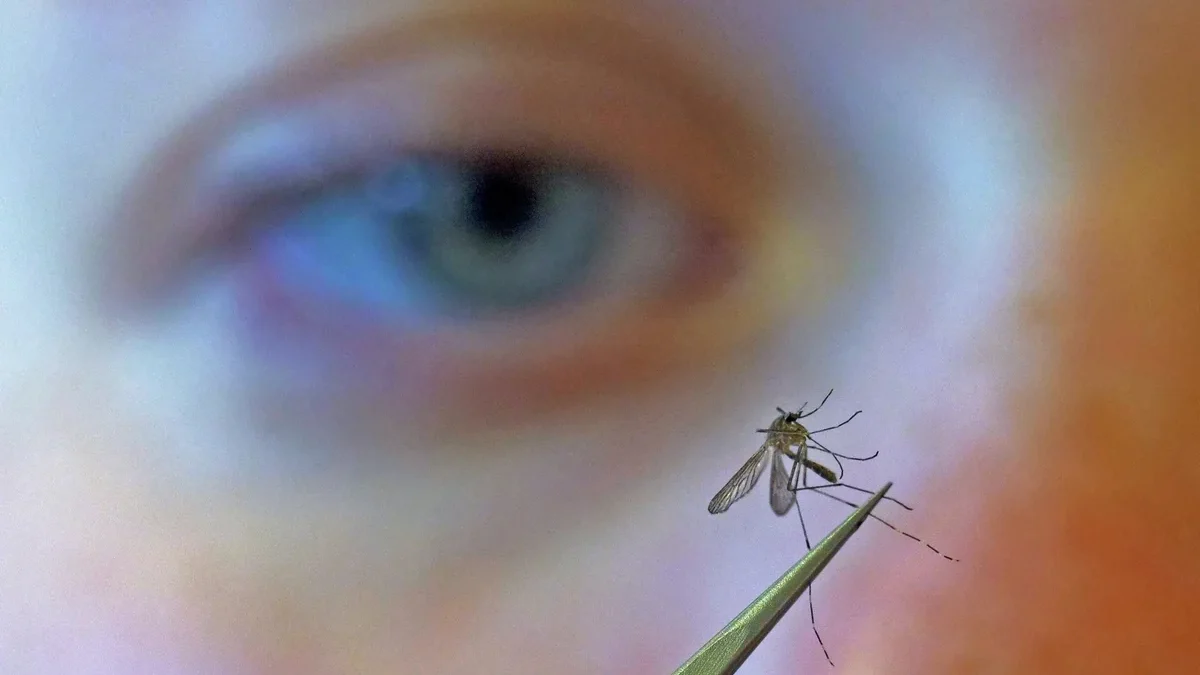
Maricopa County officials have reiterated the importance of community-wide mosquito control efforts. Melissa Kretschmer, a representative from the county’s health department, warned that even small water accumulations, such as those in overturned bottle caps, can serve as breeding grounds for mosquitoes. “It’s crucial to eliminate these sources, especially after rain or when watering plants,” she stated. “A single puddle can lead to a significant increase in mosquito activity.”
Preventive Strategies Highlighted
In addition to addressing environmental factors, the CDC has recommended specific actions to reduce individual risk. These include applying insect repellents containing DEET, wearing long and loose-fitting clothing, and avoiding peak mosquito hours—dusk and dawn—when the virus-carrying species are most active. The advice also extends to maintaining window screens and eliminating stagnant water around homes.
“Even an overturned bottle cap can hold enough water for mosquitoes to breed,” said Melissa Kretschmer, a county health department official. “It’s important that we remove these breeding sources that can form after rain or watering plants.”
Experts stress that these measures are critical for minimizing exposure. The CDC has also advised using long-sleeved clothing and staying indoors during times of high mosquito activity. These steps, though simple, can significantly reduce the likelihood of contracting the virus. For instance, the risk of severe illness is particularly elevated among older adults and individuals with compromised immune systems, making protective actions all the more vital.
Understanding West Nile Virus
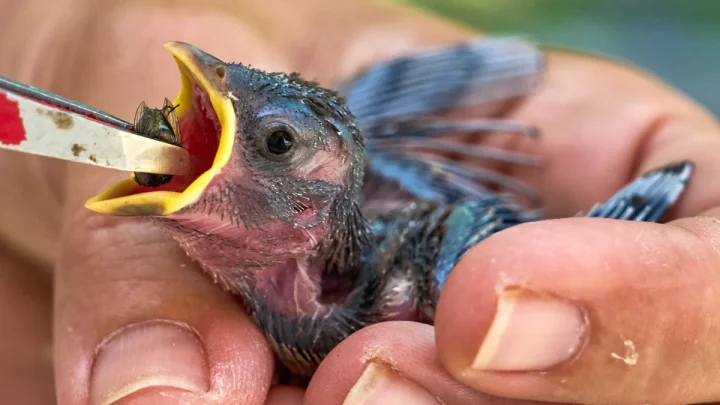
West Nile virus was first identified in the United States in 1999, when it was detected in New York. Since then, it has spread across the country, with the most severe outbreak occurring in 2003, during which nearly 10,000 cases were reported. The virus is primarily transmitted through the bite of infected mosquitoes, which typically acquire the pathogen by feeding on birds.
Many individuals infected with West Nile virus remain asymptomatic or experience mild symptoms such as headaches, body aches, joint pain, vomiting, diarrhea, and rashes. However, in more severe cases, the virus can lead to neurological complications, including inflammation of the brain or spinal cord. These outcomes are particularly dangerous for adults over 60 and those with underlying health conditions, which can exacerbate the effects of the disease.
Public Health Response and Long-Term Trends
Health officials have been monitoring the virus’s spread closely, and the current season’s data indicates a shift in its pattern. In the past decade, an average of 2,000 cases were reported annually, with 1,200 cases involving neurological illnesses and approximately 100 deaths. This year’s numbers, however, have exceeded these averages, prompting a reassessment of prevention strategies.
As the season progresses, the CDC and local health departments are collaborating to enhance mosquito control programs. These efforts include targeted spraying, public education campaigns, and community clean-up initiatives. The goal is to mitigate the impact of the virus and prevent it from becoming a widespread public health crisis. With the outbreak continuing to evolve, staying informed and taking preventive measures are essential for minimizing risks.
Recent reports have shown a growing number of cases in areas where the virus has not been commonly seen before. This expansion underscores the need for continued vigilance. While the situation is concerning, experts remain hopeful that the measures being implemented will help curb the spread and protect vulnerable populations. The focus is now on ensuring that individuals and communities are well-prepared for the challenges ahead.
The Associated Press Health and Science Department receives support from the Howard Hughes Medical Institute’s Department of Science Education and the Robert Wood Johnson Foundation. The AP is solely responsible for all content.