Blackburn: A Radical English Town Transformed by Festival of Making
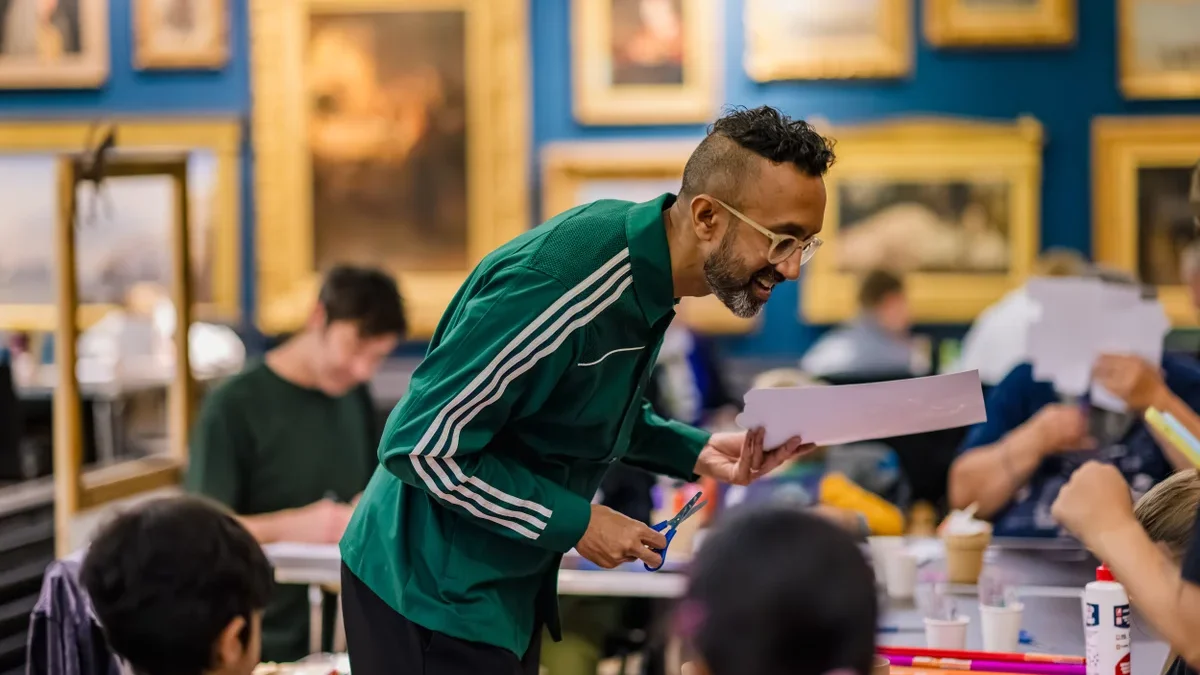
This radical English town is transformed – Every year, Blackburn, a vibrant town in Lancashire, undergoes a remarkable transformation through the Festival of Making. This annual event, held on the weekend of 4–5 July, reimagines the town’s industrial heritage by merging art, culture, and craftsmanship. With its array of live performances, visual exhibits, film screenings, and interactive workshops, the festival highlights Blackburn’s unique identity as a place where tradition and innovation coexist. For participants like Alina Akbar, the festival offers a profound opportunity to explore the intersection of working-class culture and creative expression, reshaping how the town is perceived and experienced.
Festival of Making: A Celebration of Industrial Roots and Modern Art
The Festival of Making has evolved over the past decade, becoming a cornerstone of Blackburn’s cultural revival. It challenges the notion that art must be separate from industry, instead celebrating the symbiotic relationship between the two. This year’s focus on the Art in Manufacturing strand has deepened the connection between local artisans and established industries, fostering collaborations that honor Blackburn’s history while embracing new artistic directions. The event not only showcases the town’s resilience but also invites visitors to engage with its evolving story.
“Growing up, my dad’s a mechanic, so I’ve always been around garages and car culture. I wanted to explore how modifying cars shapes the culture and identity of working-class communities. This year, I’m creating a sound work influenced by northern bassline, which acts as a score celebrating a subculture that’s deeply creative but often overlooked in modern art.” – Alina Akbar, a local artist making her debut at the festival
Reviving Nostalgia and Rebuilding Community Identity
Blackburn’s industrial legacy is deeply woven into its landscape, from the Leeds-Liverpool canal to the remnants of coke ovens in Oswaldtwistle. The Festival of Making provides a platform to reconnect with these historical elements while redefining the town’s cultural narrative. In Accrington, the cobbled streets evoke a sense of nostalgia, blending with the festival’s themes of resilience and reinvention. These landmarks, though distinct, collectively tell a story of labor, innovation, and community that the festival brings to life through creative engagement.
Jamie Holman, a multidisciplinary artist and long-time festival collaborator, calls the event “catalytic” in revitalizing Blackburn’s spirit. As traditional pubs and clubs fade and urbanization reshapes the area, the festival offers a space for cultural renewal. “There’s no gentrification here—no hipster cafes, no street-food rebrandings. The heritage we once took pride in was becoming a tool for right-wing politics, used to define working-class communities as relics of the past,” he explains. By embracing new forms of art, Blackburn is reclaiming its narrative, ensuring its story is shaped by those who live it.
Industrial Heritage and Contemporary Creativity: A Shared Story
The festival’s success lies in its ability to transform the ordinary into the extraordinary, bridging the gap between Blackburn’s industrial past and its contemporary creative scene. Activities such as workshops and exhibitions invite participants to interact with the town’s physical and cultural remnants, whether restoring a historic mill or crafting art inspired by its history. This approach not only preserves the legacy of the area’s mills and factories but also highlights how they continue to influence modern life. As Douglas Farnie, a respected historian, notes, Blackburn and its neighboring towns—Burnley, Bolton, Oldham—each have unique experiences and architectural identities that the festival celebrates collectively.
“That’s easy, they’re all the same. Tell one story and you’ve captured the essence of the entire region.” – Douglas Farnie, historian and advocate for industrial heritage
By positioning itself as a hub for creativity, Blackburn’s Festival of Making ensures that its industrial heartland remains relevant. The event encourages residents and visitors to see the town not just as a historical site but as a living, breathing space of innovation. With its blend of tradition and modernity, the festival continues to transform Blackburn, proving that a radical English town can evolve while staying rooted in its past. As the event grows, its impact on the town’s cultural and economic landscape becomes increasingly significant, solidifying its role as a beacon of creativity in the region.