
Tulsi Gabbard is resigning as director of national intelligence
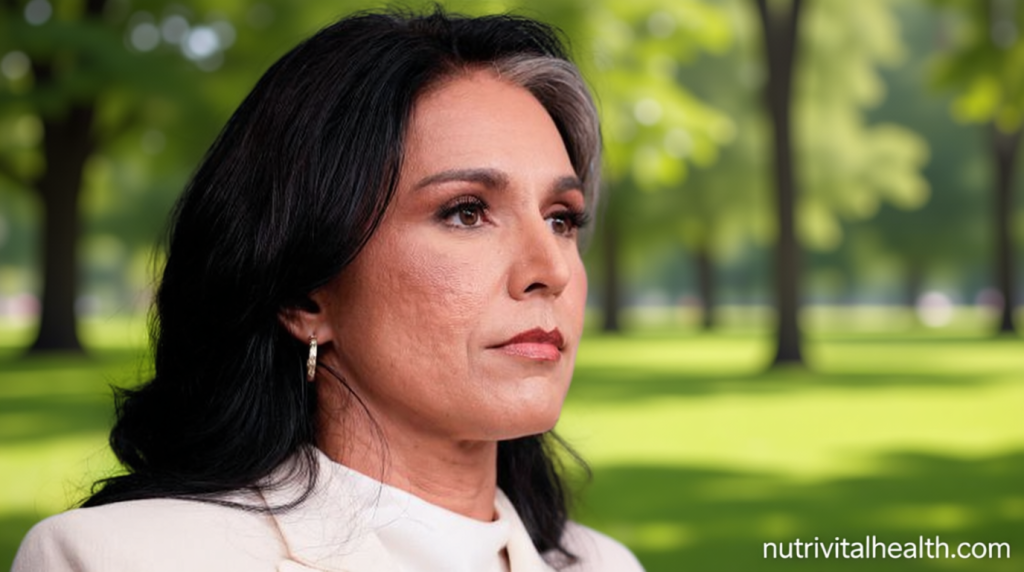
Tulsi Gabbard Announces Resignation as Director of National Intelligence
Tulsi Gabbard is resigning as director – Director of National Intelligence Tulsi Gabbard confirmed her decision to step down from the role, effective June 30, 2026. The announcement came as part of a letter she sent to President Donald Trump, detailing her personal circumstances as the primary reason for her departure. Gabbard’s resignation marks the latest shift in the Trump administration, following the exits of several high-profile Cabinet members in recent months.
Rumors and the Final Meeting
Before the official announcement, speculation about Gabbard’s potential resignation had circulated within the White House. However, she had consistently denied any intention to leave, according to a senior administration official. That changed on Friday when Gabbard met with Trump in the Oval Office to formally deliver her letter. The meeting, described as brief but emotional, underscored the gravity of her decision.
Reasons for the Resignation
“Unfortunately, I must submit my resignation, effective June 30, 2026,” Gabbard wrote in the letter to Trump. She emphasized that her husband, Abraham, had been diagnosed with an uncommon type of bone cancer, which required her immediate attention. “He faces major challenges in the coming weeks and months. At this time, I must step away from public service to be by his side and fully support him through this battle,” she explained.
“Abraham has been my rock throughout our eleven years of marriage — standing steadfast through my deployment to East Africa on a Joint Special Operations mission, multiple political campaigns, and now my service in this role. His strength and love have sustained me through every challenge. I cannot in good conscience ask him to face this fight alone while I continue in this demanding and time-consuming position,” Gabbard stated.
Her husband’s health became the central focus of her decision, highlighting the personal toll of her responsibilities as the nation’s intelligence chief. Gabbard’s tenure, while marked by notable achievements, had also faced criticism for inconsistencies in her communication strategy, particularly regarding the U.S. conflict with Iran.
Controversies and Contradictions
Gabbard’s time in the role was not without controversy. Her statements on Iran’s nuclear ambitions often clashed with the White House’s narrative, leading to internal disputes. For example, in late February, as the U.S.-Israel war against Iran intensified, Gabbard’s remarks were perceived as diverging from the administration’s messaging. CNN reported in June 2025 that tensions within the West Wing had grown over her performance, with Trump viewing her as “off message” during the conflict.
One of the most contentious moments occurred when Gabbard posted a video warning that the world was “closer to the brink of nuclear annihilation than ever before.” She criticized the “political elite and warmongers” for escalating fears between nuclear powers. Trump interpreted this as a subtle critique of his support for Israel’s attacks on Iran, leading to public criticism of her stance.
“Her wonderful husband, Abraham, has been recently diagnosed with a rare form of bone cancer, and she, rightfully, wants to be with him, bringing him back to good health as they currently fight a tough battle together,” Trump wrote on Truth Social. He added, “She has done an incredible job, and we will miss her.”
Despite these disagreements, Gabbard’s leadership at the Office of the Director of National Intelligence (ODNI) was credited with advancing transparency and reforming the agency. However, her departure leaves a gap in the administration’s strategy, with Principal Deputy Director Aaron Lukas set to serve as acting director.
Legacy and Transition
Gabbard’s resignation comes as the ODNI prepares for a new chapter. In her letter, she acknowledged the progress made under her leadership but also noted the need for continued efforts. “While we have made significant progress at the ODNI — advancing unprecedented transparency and restoring integrity to the intelligence community — I recognize there is still important work to be done,” she wrote. Her commitment to a seamless transition is evident in her efforts to ensure the agency remains stable during the leadership change.
Iran War and the Justification Debate
The U.S.-Iran war, which began in late February, was justified by the administration as a response to Iran’s nuclear program. However, Gabbard’s remarks to the Senate Intelligence Committee in early March challenged this narrative. She stated that Iran’s nuclear enrichment capabilities had been “obliterated” by the strikes conducted during Operation Midnight Hammer in June 2025. “There has been no efforts since then to try to rebuild their enrichment capability,” she noted.
Yet, during her congressional testimony, Gabbard did not read that portion of her prepared remarks. When asked about the omission, she cited time constraints. This moment of hesitation drew scrutiny, as it seemed to underscore the internal conflicts between her views and the administration’s official stance. Trump, who had previously criticized her for being “off message,” publicly rebuked her during the hearing, calling her statements “unreliable” and claiming Iran was “very close to having it” after the strikes.
“I don’t care what she said. I think they were very close to having it,” Trump remarked, highlighting his frustration with Gabbard’s independent analysis.
The administration had previously argued that Iran’s nuclear program was a pressing threat, with strikes in June 2025 serving as a catalyst for the broader conflict. However, Gabbard’s testimony suggested that the war’s justification may have been overstated. This discrepancy fueled ongoing debates about the role of intelligence in shaping national policy.
Context of the Departure
Gabbard’s resignation aligns with a pattern of departures in the Trump administration. Her exit follows the removal of Homeland Security Secretary Kristi Noem, Attorney General Pam Bondi, and Labor Secretary Lori Chavez-DeRemer. Each of these resignations was linked to political or strategic disagreements, reflecting the turbulent nature of the White House’s leadership.
As Gabbard leaves her post, her focus shifts to her family. Her husband’s diagnosis has become the defining issue of her tenure, illustrating the personal sacrifices required of public service. The transition to Lukas as acting director will test the agency’s ability to maintain momentum while navigating the challenges of the Iran conflict and other global threats.
With the ODNI entering a new phase, the focus will now turn to how the agency adapts to its leadership change. Gabbard’s departure underscores the intersection of personal and political challenges in the highest echelons of government, leaving her legacy as a mix of progress and controversy.
