
Kevin Warsh sworn in as Fed chair at pivotal moment for US economy
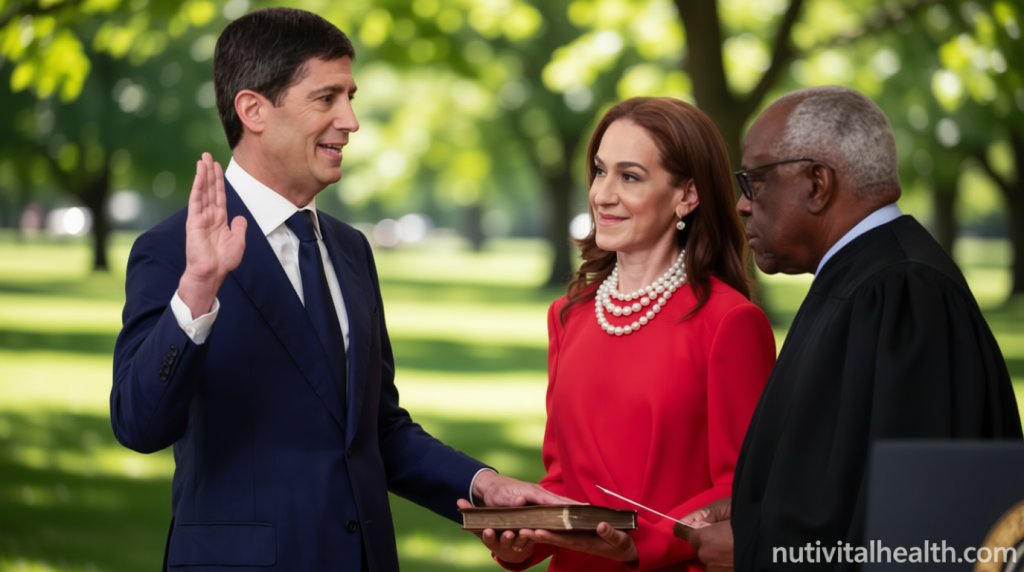
Kevin Warsh Sworn In as Fed Chair Amid Economic Uncertainty
Kevin Warsh sworn in as Fed chair – On Friday, Kevin Warsh took the oath of office at the White House, assuming the role of Chairman of the Board of Governors of the Federal Reserve System. This marks the beginning of his four-year tenure in one of the world’s most influential economic positions, succeeding Jerome Powell. The transition occurs as the U.S. economy faces complex challenges, including inflationary pressures, escalating geopolitical tensions, and a volatile financial landscape. Warsh, a 56-year-old economist, now holds the responsibility of steering monetary policy at a critical juncture, where the Federal Reserve must navigate conflicting demands from political and economic forces.
Trump’s Praise and Political Context
President Donald Trump, who had previously nominated Warsh in January, delivered remarks during the ceremony, expressing confidence in his new appointee. “I expect he will go down as one of the truly great chairmen of the Federal Reserve that we’ve ever had,” Trump stated, highlighting Warsh’s versatility and widespread respect. The president emphasized that the incoming chair possesses “abilities that very few people have,” capable of addressing a broad range of economic issues. This endorsement comes amid a backdrop of heightened political scrutiny over the Fed’s independence, as the central bank grapples with balancing its traditional mandate against presidential pressures.
“He’s got abilities that very few people have, covers a lot of territory, and he’s respected by everybody.”
Warsh’s vision for the Federal Reserve is clear, as he outlined during his brief remarks following the swearing-in. “I will lead a reform-oriented Federal Reserve, learning from past successes and mistakes,” he said, vowing to move beyond rigid frameworks and prioritize transparency and performance. His approach aligns with Trump’s broader economic agenda, which has long advocated for lower interest rates to stimulate growth and reduce borrowing costs for the government. However, Trump also underscored the importance of the Fed’s autonomy, urging Warsh to act independently while serving the nation’s economic interests.
Economic Challenges at the Forefront
As Warsh assumes his role, the U.S. economy is under strain from multiple fronts. The ongoing conflict between the United States and Iran has intensified energy price fluctuations, contributing to a sharp rise in gasoline costs. Simultaneously, mortgage rates have reached their highest level in nine months, reflecting a tightening credit environment. Overall inflation, already at a three-year peak, continues to test the Fed’s ability to stabilize prices without stifling growth. These factors have created a challenging environment for monetary policy, where the central bank must address both inflationary risks and the potential for a recession.
Despite these headwinds, the U.S. consumer has demonstrated remarkable resilience. Spending remains robust even as prices climb, acting as a buffer against a deeper economic downturn. This strength, however, is tempered by growing affordability concerns, with many households facing financial strain. Such dissatisfaction could carry significant political weight, particularly as midterm elections approach. Consumer sentiment, a key indicator of public confidence, has plummeted to an all-time low, with Americans expressing more unease than during major crises such as the Iraq War, 9/11, the Great Recession, and the post-pandemic inflation surge.
Policy Dilemma and Independence
Warsh’s leadership now hinges on a delicate balancing act. The Federal Reserve must decide whether to maintain its current interest rate stance and await further clarity or adopt a more aggressive approach to curb inflation. This decision is complicated by the president’s vocal demands for rate cuts, which have been a central theme of his economic strategy. Trump has not only called for lower rates but also joked about suing Warsh if the Fed fails to deliver, underscoring the political stakes of the central bank’s actions.
While Trump has criticized Powell for not acting swiftly enough, he has also expressed support for Warsh’s independence. “Don’t look at me, don’t look at anybody, just do your own thing and do a great job,” the president said during his remarks. This statement reflects a nuanced approach: Trump wants the Fed to remain politically accountable but insists it should not be swayed by external pressures. Warsh, in contrast, has positioned himself as a leader committed to objective economic goals, emphasizing the need for collaborative decision-making and adherence to clear standards of performance.
Central Bank’s Policy Shift
The Federal Reserve’s policy direction has evolved in recent months. Initially, policymakers projected a rate cut later in the year, but this outlook has shifted as the impact of higher energy prices and geopolitical instability becomes more pronounced. The Federal Open Market Committee, which sets interest rates, now favors maintaining the current rate, with some members even considering a potential increase. This change highlights the Fed’s efforts to adapt to new economic realities while managing expectations from both the public and the administration.
Warsh’s first formal meeting as chair is scheduled for June 16-17, during which he will likely face intense scrutiny over his approach to monetary policy. The incoming chair has already outlined several transformative ideas, including limiting the public communication of Fed officials about their rate outlook. This move aims to reduce speculation and ensure that policy decisions are grounded in economic data rather than political narratives. Additionally, Warsh has advocated for the Fed to focus on its core responsibilities, distancing itself from peripheral issues that may detract from its primary mission of price stability and maximum employment.
Legacy and Leadership
Trump’s comments during the swearing-in ceremony signal his belief in Warsh’s capacity to unite the Fed board and foster constructive debate. “I know he will welcome robust debate in his mission to keep prices stable and employment high,” the president added, expressing confidence that Warsh will have the full support of his administration. This alignment between the president and the Fed chair underscores the importance of political and economic coordination, even as the central bank seeks to preserve its independence.
Warsh’s tenure will be defined by his ability to reconcile these competing priorities. The Fed must navigate the delicate balance between addressing inflation and supporting growth, all while managing the expectations of a president who has historically prioritized rate cuts. As the economy continues to shift under the weight of global conflicts and energy shocks, the central bank’s decisions will shape not only monetary stability but also the broader political landscape. With consumer sentiment at its lowest point in recent history, the pressure on Warsh to deliver results has never been greater, making his leadership a pivotal factor in the coming economic chapter for the United States.
