U.S. Missile Strike on Iranian School Claims 108 Lives, Yet Responsibility Remains Uncertain
A US missile killed Iranian schoolchildren – Four months after a U.S. missile struck an Iranian primary school, killing dozens of children, the full story of the attack has yet to be uncovered. The strike, which occurred during a heightened phase of the U.S.-Iran conflict, marked the most lethal incident of the ongoing war. Despite initial evidence pointing to the attack’s origin, no definitive conclusion has been reached, leaving questions about accountability and the scale of the tragedy unresolved.
Initial Evidence and Ongoing Investigation
According to a U.S. official familiar with the situation, the military had clear indications almost immediately that the school in Minab had been hit. However, the Trump administration has not officially admitted fault, with President Donald Trump stating last week that he had seen no evidence linking the U.S. to the attack. The White House’s stance has drawn criticism, as the strike’s implications continue to spark debate over military responsibility.
“The Pentagon was investigating, but we still don’t have a full picture of what transpired,” said the unnamed official, who shared details with The Associated Press. This statement underscores the complexity of verifying the strike’s circumstances, especially as both the U.S. and Iran have pointed fingers in the aftermath.
The School and Its Connection to the Revolutionary Guard
The Shajareh Tayyebeh school, located in the city of Minab, was part of a network of institutions established to indoctrinate the next generation of Iran’s paramilitary forces. Shiva Amelirad, an Iranian teachers union representative with 18 years of experience in the country, described the school as a hub for promoting the Revolutionary Guard’s ideology. “Regardless of their family backgrounds, children are civilians,” she emphasized. “Any attack targeting a school is unequivocally condemnable.”
Despite adhering to general guidelines set by the Islamic Republic, the school was uniquely aligned with the Guard’s objectives. It was situated within the same compound as a Guard base, a detail confirmed by satellite imagery analyzed by the AP. The facility had been converted into a military training ground over a decade ago, though its primary function remained educational.
Aftermath and Victims’ Stories
On the morning of February 28, the skies above Minab were clear as students arrived at the school. However, the tranquility was shattered when bombs began falling on Tehran. The school staff, caught in the chaos, quickly alerted parents for early pickups. A local resident recounted how a father in the vicinity hurried to collect his son, only to witness the destruction unfold shortly after.
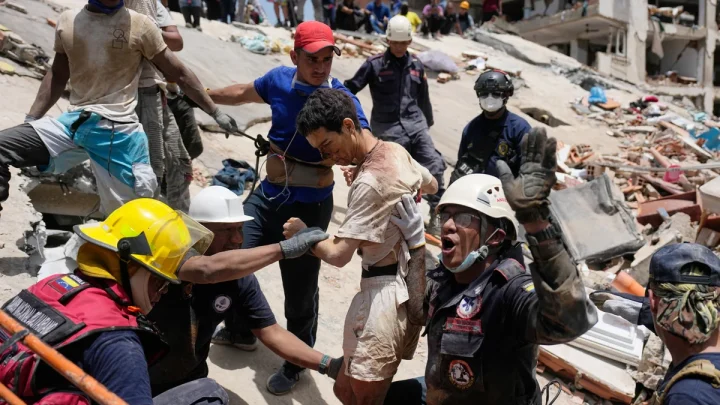
“I saw young relatives waiting for their parents, and they refused my offer to take them home,” the resident shared. Ten minutes later, at least five buildings in the compound were struck, with one collapsing onto the neighboring school. Video footage released by state media showed rescuers sifting through smoking rubble, extracting bodies from the debris. Among the victims were children whose families had ties to the Guard, as well as local students from the Baluch ethnic minority, often targeted by the Iranian government.
“The Baluch people have long faced suppression, and this strike hit them hard,” said a member of the Balochistan Human Rights Group. “Many of the children were from families that had supported the regime, but that doesn’t excuse the loss of innocent lives.” The group noted that the school’s proximity to the Guard base heightened the risk of collateral damage, even as it served as a center for ideological education.
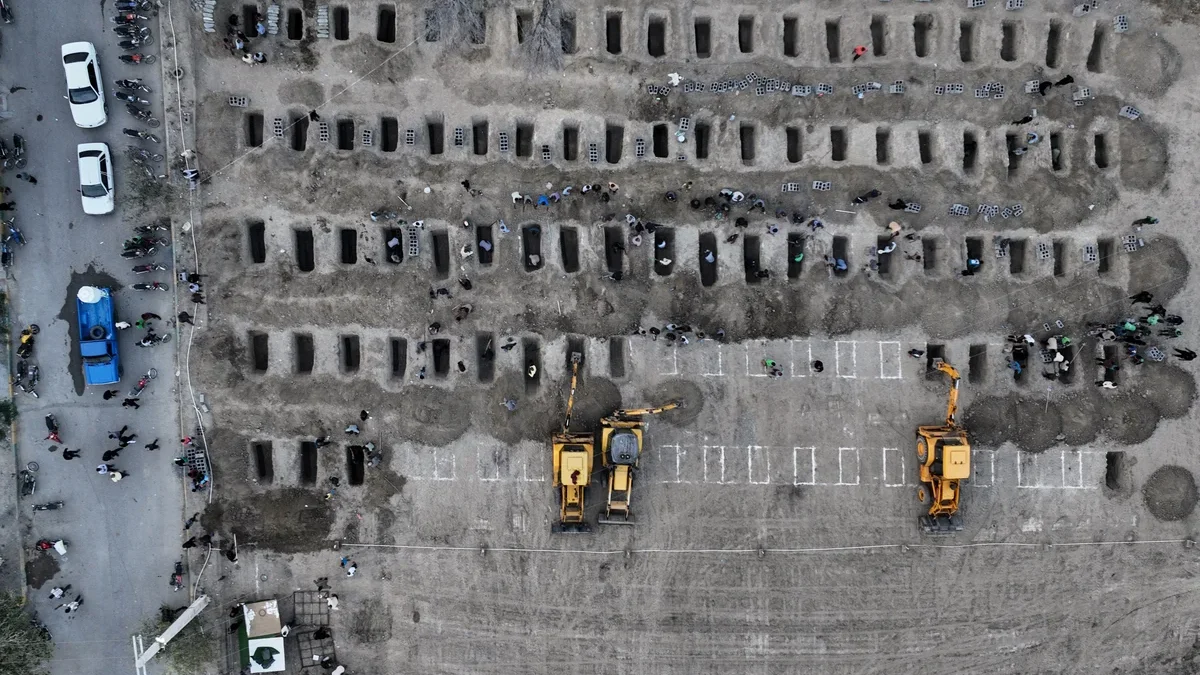
As the toll of casualties became evident, the local hospital received hundreds of fragmented bodies. By the end of the day, medical staff estimated at least 108 fatalities, though they warned the number might be an undercount. The sheer scale of the tragedy has left families in mourning, grappling with the uncertainty of whether the attack was intentional or a tragic accident.
Challenges in Verification
Attempts to document the strike’s details faced significant obstacles. Iran’s government imposed strict restrictions on foreign journalists, blocking their entry into the country and cutting off internet access to stifle reporting. The Strait of Hormuz turned into a major battleground, with all branches of Iran’s military heavily deployed in the area. These measures fueled fears among families of the victims, who hesitated to share their stories for fear of retribution.
“The families were terrified to speak out,” said the Minab resident, who relayed accounts from multiple households. “They knew the government would punish anyone who questioned the strike.” This environment of secrecy has made it difficult to piece together a complete narrative, as sources have remained cautious about disclosing their experiences.
The Search for Accountability
While the U.S. military has acknowledged conducting strikes in the region, the exact circumstances of the attack remain unclear. Researchers and human rights organizations have focused on determining who was responsible, with Iran accusing the U.S. of targeting civilians and the Trump administration defending its actions. Defense Secretary Pete Hegseth has confirmed the Pentagon’s investigation, though no final findings have been released.
The strike has reignited discussions about the ethical implications of military operations in densely populated areas. Critics argue that the U.S. should have taken greater precautions to avoid civilian casualties, especially when the target was a school. Meanwhile, Iran has used the incident to bolster its narrative of U.S. aggression, claiming the attack was a deliberate act of war.
As the investigation continues, the lives lost in the strike remain a poignant reminder of the human cost of the conflict. The families of the victims, many of whom still await answers, highlight the lingering uncertainty over whether the U.S. was the aggressor or a target in a broader campaign of retaliation. For now, the story of the strike is incomplete, and the search for truth persists in the shadow of war.
With the U.S. and Iran locked in a cycle of accusations, the incident underscores the need for transparency in military actions. The lack of a clear accounting has left the victims’ families in limbo, struggling to make sense of the tragedy that unfolded in a place meant for learning and growth. As the dust settles, the question of responsibility remains unanswered, leaving the full story of the attack to be told in the days ahead.