Bangladesh Investigates Neonatal Deaths Amid Hospital Cooling System Failure
Bangladesh investigates deaths of six newborns – A tragic incident unfolded in Dhaka on Wednesday when six newborns succumbed to heat-related complications in a private hospital. The hospital’s air conditioning system, which had been critical for maintaining a stable environment in the post-delivery ward, failed during a period of intense heat, raising urgent questions about the role of environmental factors in the fatalities.
The victims, aged between one and three days, were found unresponsive in the neonatal unit shortly after their births. Five of the infants were placed on ventilators, but none survived. The sixth infant also passed away under the same conditions. The hospital’s management has since launched an internal inquiry to determine whether the AC malfunction directly contributed to the deaths.
Heatwave and Cooling System Collapse
Officials confirmed that the AC units in the ward were non-functional during the early hours of Wednesday, when temperatures in the city reached approximately 32°C. “Once the air conditioner is turned off, there is no alternative ventilation,” stated Prabhat Chandra Biswas, the head of the health department, during a press briefing. He described the internal conditions as “suffocating,” emphasizing the critical need for cooling systems in neonatal care.
“An investigation is underway to identify the exact cause of the newborns’ deaths,” said Nahida Yasmin, a hospital director, adding that the focus is on understanding whether technical issues with the AC or other electrical equipment played a decisive role. “We are analyzing the situation thoroughly to ensure no details are overlooked.”
The health department’s spokesperson, Zahid Raihan, noted that the initial reports from the hospital did not indicate any signs of negligence or improper care. However, the absence of cooling systems in such extreme conditions has sparked concerns about the adequacy of infrastructure in critical healthcare settings.
Dhaka police officials confirmed they were investigating the deaths as potential cases of unnatural causes. “We are examining all available evidence to determine if the heat stress was the primary factor,” a senior officer said. The inquiry now includes forensic checks of the hospital’s environment and equipment to rule out or confirm any direct links to the AC failure.
Regional Heatwave Trends
Bangladesh is not alone in facing the brunt of soaring temperatures. Across South Asia, heatwaves have become increasingly severe and frequent. In recent weeks, cities in India and Pakistan have recorded temperatures exceeding 45°C, with Banda in Uttar Pradesh hitting a staggering 48.2°C. Delhi also experienced its warmest May night in nearly 14 years, with minimum temperatures reaching 32.4°C.
Such extreme heat has had devastating consequences beyond Dhaka. In the southern Indian state of Telangana, at least 16 individuals have died from heatstroke this summer. Scientists warn that these conditions are no longer anomalies but a recurring aspect of the pre-monsoon season, with climate change exacerbating the situation. A recent study by World Weather Attribution found that the likelihood of experiencing such high temperatures is now three times greater due to global warming.
Bangladesh, situated within the same climatic zone as other South Asian nations, faces similar challenges. The convergence of heat and humidity in the region has made this pre-monsoon period particularly harsh, with experts linking the phenomenon to rising average temperatures. “The region is experiencing what was once considered an extreme weather event, but it is now a routine occurrence,” said one climate scientist, underscoring the urgency of adapting infrastructure to these new norms.
Dhaka’s Vulnerability to Heat Stress
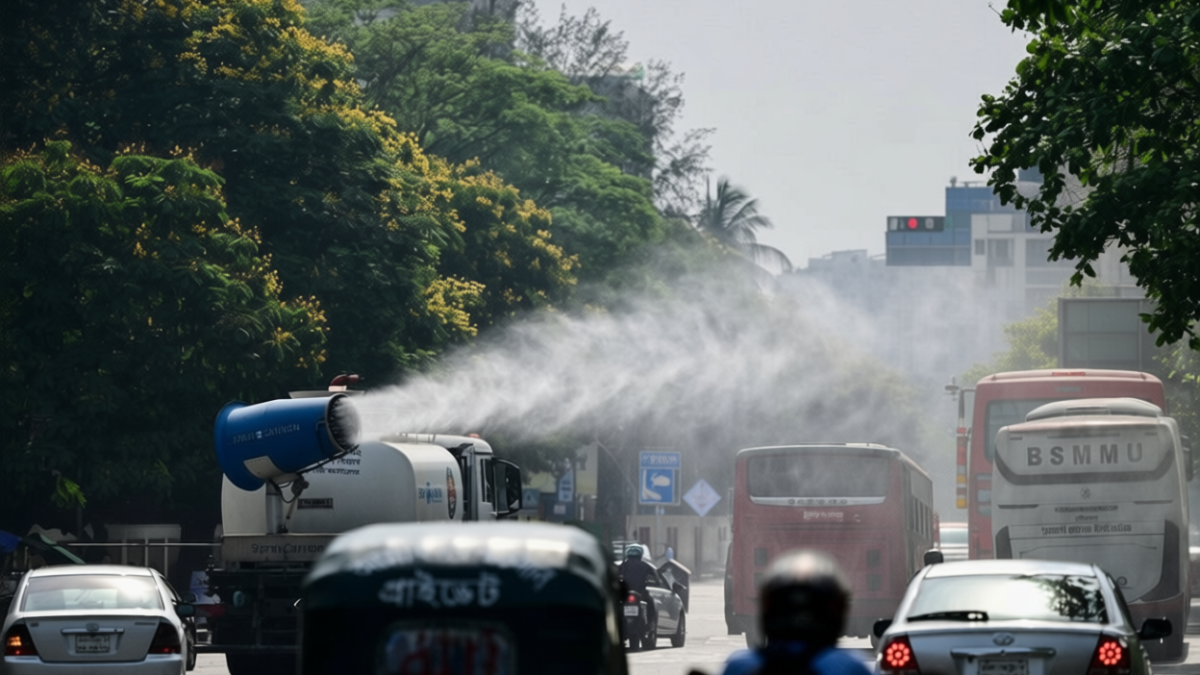
Dhaka’s unique geographical and urban characteristics amplify its susceptibility to heat-related health crises. As a densely populated city with over 20 million residents, it lacks sufficient green spaces and natural ventilation, which are vital for mitigating the effects of extreme weather. Many buildings in the city are designed without adequate cooling systems, leaving communities—especially the most vulnerable, such as newborns and the elderly—exposed to prolonged heat stress.
The recent incident highlights the importance of reliable climate control in healthcare facilities. Neonatal units, where premature and low-birth-weight infants are particularly at risk, require precise temperature regulation to prevent complications. Without such systems, the combination of high temperatures and humidity can lead to dehydration, respiratory distress, and even death in newborns.
Local health experts have called for an urgent review of hospital infrastructure and emergency protocols in response to the crisis. “This event serves as a stark reminder of the growing risks associated with climate change,” said Dr. Ayesha Rahman, a pediatrician specializing in neonatal care. “Hospitals must be equipped to handle heatwaves as they become more frequent.”
Meanwhile, the broader implications of the heatwave extend beyond individual cases. The World Health Organization has warned that South Asia is on track to experience more frequent and intense heat events, which could strain healthcare systems and increase mortality rates. With the climate crisis accelerating, the need for proactive measures in urban planning and medical facilities has never been more pressing.
As the investigation into the Dhaka incident continues, attention is shifting to the systemic challenges faced by the region. The failure of the AC system in a private hospital raises concerns about the resilience of public and private healthcare institutions in the face of escalating environmental pressures. Ensuring that such facilities have backup cooling systems, adequate staffing, and emergency protocols is now a critical priority for policymakers and health authorities.
For now, the focus remains on understanding the immediate cause of the deaths and implementing safeguards to prevent similar tragedies. The case has already prompted discussions about the long-term adaptation strategies required to combat the effects of climate change on healthcare infrastructure and patient safety.