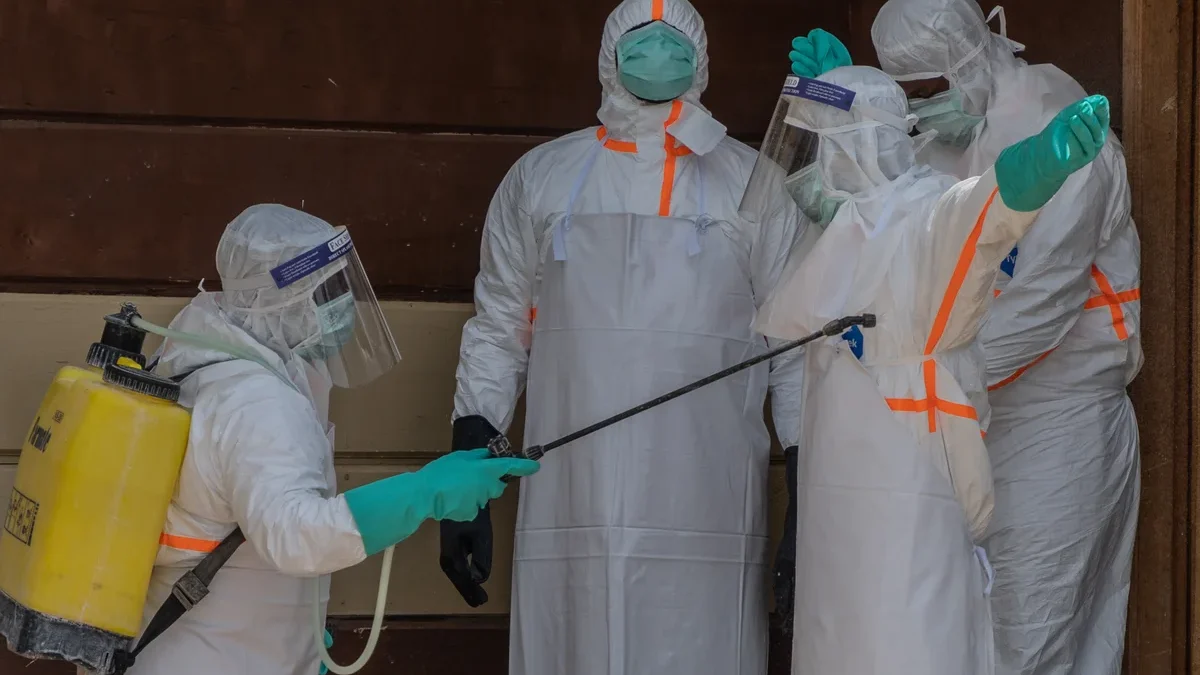
Congo Reports Record One-Day Increase in Ebola Cases, a Month After Outbreak’s Declaration
Congo reports record one day increase – Congo’s health authorities have documented a significant surge in new Ebola infections, marking the highest single-day rise in the country’s history. This dramatic escalation occurs one month after the official declaration of the outbreak, which has raised concerns about the effectiveness of containment efforts. Despite the government’s initial response, challenges such as inadequate contact tracing, persistent insecurity, and limited funding continue to impede progress. The situation has sparked renewed calls for international support to combat the spread of the virus.
A Surge in Cases and Challenges in Control
As of Sunday, the Congolese Ministry of Health confirmed 72 new Ebola cases within a 24-hour period, pushing the total number of confirmed infections to 782. This figure includes 181 reported fatalities, following the confirmation of 32 additional deaths. While these numbers reflect the current state of the outbreak, officials acknowledge that the actual count may be higher due to delayed reporting. The outbreak was officially recognized on May 15, but initial suspicions date back to earlier in the month. With contact tracing coverage at just 56%, a notable drop from the previous week, the challenge of identifying and isolating infected individuals remains critical.
The recent increase underscores the complexity of managing the crisis. Health workers are struggling to keep pace with the rapid spread, exacerbated by the region’s instability. Insecurity in eastern Congo has forced many to abandon their homes, disrupting traditional methods of tracking the virus. Meanwhile, funding shortages have limited the availability of essential medical resources, including personal protective equipment and diagnostic tools. These factors have created a perfect storm, making it difficult to contain the outbreak effectively.
The Role of the Bundibugyo Virus
The current Ebola outbreak is attributed to the rare Bundibugyo strain, which differs from the more commonly encountered Zaire virus. Unlike Zaire, which has been the cause of 16 previous outbreaks in Congo, the Bundibugyo variant lacks an approved vaccine or specific treatment. This absence of medical interventions has heightened the risk of transmission and increased mortality rates among affected populations. The ministry highlighted that 56 individuals have recovered, resulting in a fatality rate of 23% for the outbreak.
The lack of a targeted vaccine for the Bundibugyo virus has forced health officials to rely on general preventative measures. These include quarantine protocols, hygiene education, and community-based monitoring. While these strategies have proven effective in past outbreaks, their implementation in the current context is more challenging due to the virus’s unfamiliarity and the logistical hurdles faced by local health systems. The ministry emphasized the need for urgent research to develop a tailored response for this specific strain.
WHO Intensifies Efforts to Combat the Outbreak
In response to the escalating crisis, the World Health Organization (WHO) has ramped up its efforts to enhance testing, contact tracing, and treatment initiatives. The organization’s focus includes deploying technical expertise to strengthen regional health infrastructure and supporting laboratory systems to improve diagnostic accuracy. These measures aim to accelerate the identification of cases and ensure timely medical interventions.
On the same day, the WHO highlighted its commitment to collaborative efforts with local authorities. This includes the implementation of active case finding strategies and the promotion of community engagement to foster trust in health protocols. “We remain committed to supporting affected countries until transmission is stopped. We call on partners and donors to urgently mobilize resources to strengthen the response and save lives,” said Jean Kaseya, head of the Africa Centers for Disease Control and Prevention (Africa CDC). Kaseya’s statement reflects the global health community’s recognition of the outbreak’s severity and the need for sustained investment.
Geographical Spread and Regional Challenges
The outbreak has primarily affected Congo’s eastern province of Ituri, which accounts for over 90% of confirmed cases. However, the virus has also spread to neighboring regions, including North Kivu and South Kivu, and has crossed into Uganda. This geographical expansion has complicated containment efforts, as the virus now operates across multiple borders. Health officials are working closely with Ugandan counterparts to coordinate responses and prevent further cross-border transmission.
Ituri’s remote terrain and limited road networks have posed significant obstacles to effective contact tracing. Nearly a million people have been displaced by ongoing conflict in the province, creating mobile populations that are difficult to monitor. The U.N. humanitarian office reported that many residents flee attacks, making it challenging to track their movements and identify potential exposure points. Dense forests, sparse healthcare facilities, and isolated villages further compound the difficulty of containing the outbreak.
Artisanal miners, who operate in the mineral-rich areas of Ituri, have also contributed to the spread of the virus. These miners frequently move between remote sites, often without consistent access to hygiene supplies or medical care. Their transient lifestyle increases the risk of virus transmission, as they may interact with multiple communities before returning to their home bases. This dynamic has required health workers to adapt their strategies, focusing on mobile clinics and outreach programs to reach these vulnerable groups.
International Collaboration and Future Outlook
The WHO and Africa CDC have stressed the importance of international collaboration in addressing the outbreak. Their joint efforts include the allocation of resources to bolster local health systems and the establishment of rapid response teams. These teams are tasked with providing real-time data, coordinating with regional governments, and implementing targeted interventions. The global health bodies have also urged donors to prioritize funding for long-term containment strategies, including the development of new medical technologies and the training of local healthcare workers.
Despite the challenges, there is optimism about the potential for control. The current fatality rate of 23% is considered lower than some past outbreaks, which could be attributed to improved awareness and community participation in prevention measures. However, maintaining this progress requires consistent support and vigilance. The ministry has outlined a multi-pronged approach, combining surveillance, education, and treatment to mitigate the outbreak’s impact.
Call for Enhanced Support and Action
As the situation evolves, the Congolese government has reiterated its request for additional resources. The lack of sufficient funding has hindered the ability to conduct widespread testing and provide adequate care for patients. With contact tracing coverage still at 56%, there is a pressing need for more personnel and equipment to increase efficiency. The ministry has also emphasized the importance of addressing insecurity, as conflict continues to disrupt health operations and force communities into hiding.
Community engagement has become a cornerstone of the response strategy. Local leaders and health workers are working to dispel myths and encourage adherence to safety protocols. This effort is crucial in regions where traditional practices may conflict with modern medical guidelines. By fostering collaboration between health officials and community members, the response team hopes to build a more resilient framework for containment.
The outbreak serves as a reminder of the ongoing challenges in global health security. While the Bundibugyo virus presents a unique set of difficulties, its impact highlights the need for adaptable strategies and sustained investment. The Congolese Ministry of Health, alongside the WHO and Africa CDC, remains focused on mitigating the outbreak’s spread and protecting affected communities. Their combined efforts underscore the importance of international solidarity in the face of emerging health threats.