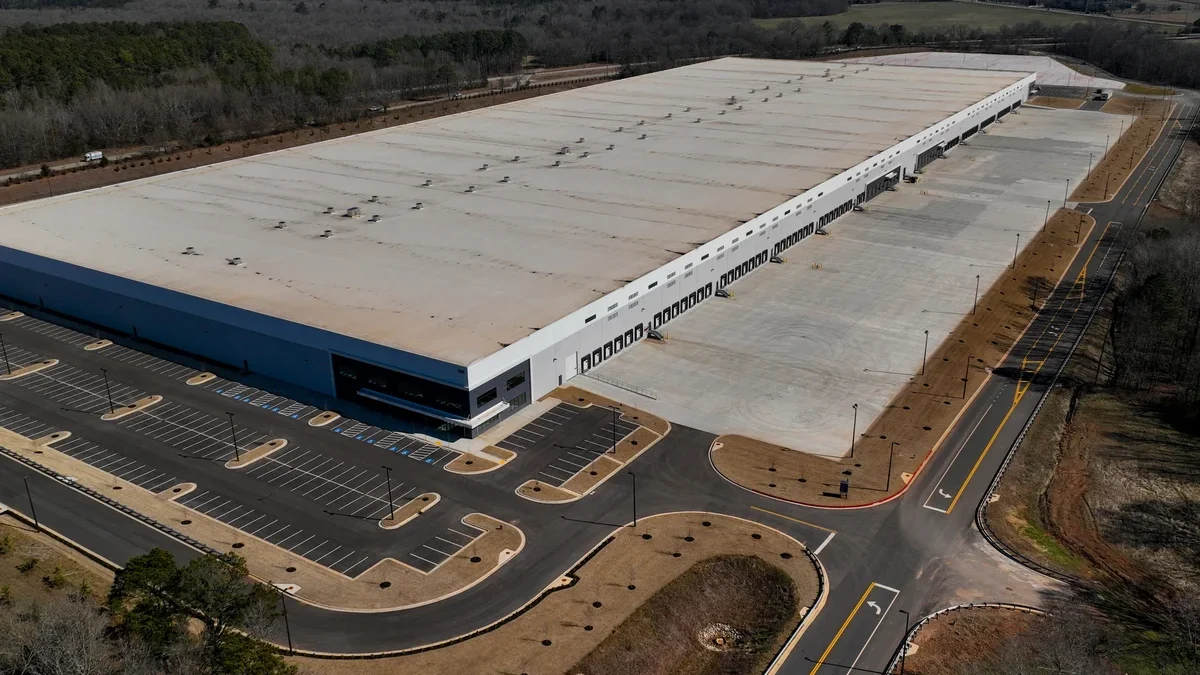
Federal Officials Offload Immigrant Detention Warehouses
Federal officials plan to offload some warehouses originally purchased for immigrant detention, signaling a strategic shift in the U.S. Immigration and Customs Enforcement (ICE) program. The $38-billion initiative aimed to expand detention capacity by establishing centralized facilities, but recent decisions have led to the withdrawal of several sites. This change has raised questions about the program’s effectiveness and sparked renewed debates on its cost and community impact. The offloading comes as agencies reconsider their approach, with some facilities no longer in use despite significant financial investments.
Community and Legal Resistance
Community opposition and legal challenges have been pivotal in the decision to offload these warehouses. In Michigan and a Detroit suburb, lawsuits were filed against the federal government’s plans, prompting officials to announce the sale of a Romulus warehouse instead of converting it into a detention site. Similarly, cities like Social Circle, Georgia, and Socorro, an El Paso suburb, confirmed their plans to repurpose facilities have stalled. These local responses highlight growing concerns over the program’s long-term sustainability and its effects on regional infrastructure.
The program’s offloading reflects a broader trend of reevaluating its design. With 10 other cities also abandoning their commitments, the federal government faces criticism over its transparency and planning. Residents and local leaders were often surprised by the sudden use of buildings for immigration purposes, with some only learning of the plans after agreements were finalized. This lack of public engagement has fueled skepticism about the necessity of such large-scale facilities.
Cost Overruns and Operational Concerns
Financial inefficiencies have been a major critique of the offloading initiative. An internal audit revealed that the Department of Homeland Security (DHS) paid double the assessed value for a New Jersey warehouse and nearly five times more for a Social Circle facility. The most expensive purchase, a Salt Lake City warehouse valued at $145.4 million, faced a federal lawsuit over infrastructure concerns. Critics argue that the program’s high costs, combined with logistical challenges, make it an unsustainable investment.
Leadership changes have further influenced the decision to offload. After former Secretary Kristi Noem’s departure, new officials emphasized the need to address municipalities’ capacity limitations. They acknowledged that many local areas lack the infrastructure to support large detention sites, particularly in waste management and water systems. This admission underscores the practical difficulties of the program, which were overlooked in earlier phases.
As federal officials offload warehouses, the focus has shifted toward leveraging existing resources. The Department of Homeland Security now aims to collaborate with state and county partners to utilize current detention spaces more efficiently. This strategy may reduce the reliance on newly acquired facilities while addressing concerns about cost and community disruption. The change also aligns with efforts to streamline operations and adapt to evolving challenges.
Political and Public Sentiment
The offloading of warehouses has drawn mixed reactions from political figures. Michigan’s Attorney General Dana Nessel, a Democrat, called the program “ill-conceived, cruel, and unnecessary,” praising the decision to halt its expansion. Meanwhile, Republican U.S. Representative Mike Collins notified Social Circle, Georgia, that a detention facility there would no longer be pursued. These statements reflect a growing bipartisan acknowledgment of the program’s shortcomings and its impact on local communities.
As the federal government moves forward with offloading, the future of immigrant detention policies remains uncertain. The decision to divest from certain warehouses highlights a reassessment of the program’s goals and the importance of addressing logistical and financial challenges. While the shift may ease some pressures on local infrastructure, it also raises questions about the long-term strategy for managing immigration detention in the United States.