Evacuations Issued as Wildfire Spreads in Los Angeles County
Emergency Response to Rapidly Growing Wildfire in Los Angeles
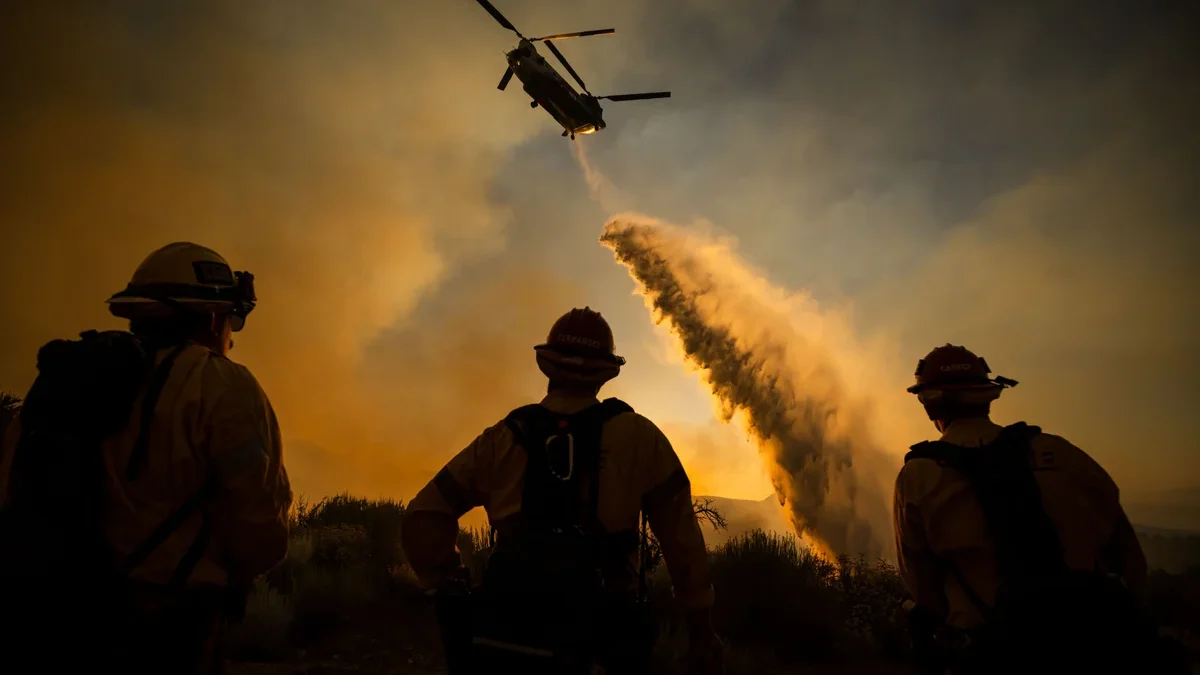
Rapidly growing wildfire in Los Angeles – A rapidly growing wildfire in Los Angeles has prompted emergency evacuation orders for residents living in a remote section of the high desert. Authorities announced the evacuation directive on Friday afternoon as flames continued to spread across the dry landscape. Emergency management teams worked throughout the day to alert communities as the fire’s perimeter expanded significantly. The situation remains fluid as crews assess the full scope of the threat to local residents and property.
According to the Los Angeles County Fire Department, the blaze began around one o’clock in the afternoon under challenging conditions. The fire erupted during a period marked by extreme heat and unusually dry vegetation. This remote high desert area sits approximately 45 miles, or 72 kilometers, northeast of downtown Los Angeles. The geographic location places the fire in a region characterized by rugged terrain and relatively few permanent residents.
Weather Conditions Accelerate Fire Growth
Environmental factors contributed significantly to the rapid expansion of the fire. Local temperatures reached nearly 100 degrees Fahrenheit, equivalent to about 38 degrees Celsius. These extreme heat conditions create an ideal environment for vegetation to ignite and for flames to travel quickly across dry brush and grasslands. The combination of heat and dryness has made containment efforts particularly challenging for firefighters on the ground.
By evening, the fire had consumed an estimated 2,700 acres of land, which equals approximately 1,092 hectares. Officials shared this information through the social media platform X, previously known as Twitter. Despite the substantial acreage already affected, authorities have not yet confirmed the precise number of structures currently at risk from the advancing flames. The rapidly growing wildfire in Los Angeles continues to evolve as weather conditions shift throughout the day.
Community Impact and Evacuation Zones
The nearest populated area to the east of the fire is Piñon Hills, a census-designated community with approximately 7,200 residents. This community falls within San Bernardino County boundaries and has experienced varying levels of fire threat. By Friday evening, portions of Piñon Hills had been placed under an evacuation warning, indicating that residents should prepare to leave their homes if conditions deteriorate further.
Evacuation warnings serve as preliminary alerts that give residents valuable time to gather essential belongings and make necessary arrangements. Should the fire continue to grow or change direction, these warnings may escalate to mandatory evacuation orders requiring immediate departure from affected zones. The rapidly growing wildfire in Los Angeles has demonstrated the importance of early warning systems in protecting communities.
Broader Meteorological Context
The Los Angeles County wildfire occurs against a backdrop of widespread atmospheric conditions affecting much of the United States. The nation is currently experiencing a heat wave driven by an unusually powerful and persistent heat dome. This meteorological phenomenon traps hot air over specific regions, preventing cooler air from moving in and causing temperatures to remain elevated for extended periods.
The heat dome contributes significantly to wildfire risk across multiple drought-affected areas throughout the country. Scientists and meteorologists project that temperatures in certain regions could run 15 to 25 degrees Fahrenheit, or 8 to 14 degrees Celsius, above typical seasonal averages. Such deviations from normal temperature patterns create additional stress on ecosystems already weakened by prolonged dry conditions.
Regional Vulnerability and Future Outlook
California’s high desert regions have historically demonstrated vulnerability to rapid fire spread due to their combination of dry vegetation, strong winds, and elevated temperatures. The current fire’s trajectory will likely depend on several factors, including wind direction, humidity levels, and whether any precipitation arrives in the coming days. Emergency responders continue to monitor the situation closely, with resources potentially being deployed from neighboring counties if the fire requires additional containment efforts.
Residents in the affected areas are advised to stay informed through official channels and to follow evacuation instructions promptly when issued. The intersection of extreme heat, drought conditions, and dry vegetation creates a perfect storm for wildfire activity. As the heat dome persists, communities across the western United States remain on alert for potential fire developments in the days ahead.
The rapidly growing wildfire in Los Angeles serves as a reminder of the ongoing challenges posed by climate conditions and drought in the region.