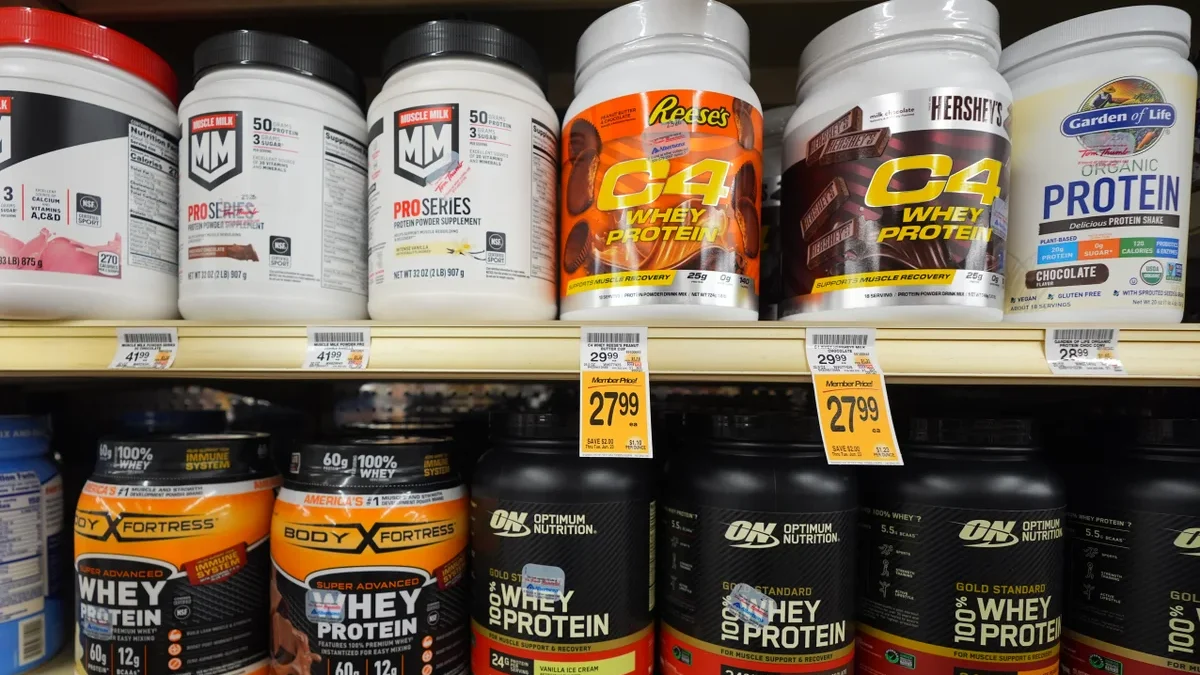
The World’s Protein Obsession Sparks a Global Supply Crisis
The world wants more high protein – As consumer demand for protein-rich foods continues to surge, the dairy industry is facing a critical shortage of whey protein, the key ingredient driving many high-protein products. This shortage is pushing prices to unprecedented levels and creating a ripple effect across global markets, from the U.S. to Europe and beyond.
High-Protein Trends Outpace Production Capacity
Consumers worldwide are increasingly seeking higher protein content in their food, driven by health and fitness trends. This has led to a proliferation of protein-enhanced items, from breakfast cereals and snack foods to beverages. Companies are now integrating whey protein into a wide range of products to cater to this growing preference.
Whey protein concentrate, a byproduct of cheese-making, has become a staple in sports nutrition and everyday foods. Its versatility as an additive has made it a go-to ingredient for manufacturers. However, the rise in demand is straining supply chains, with shortages becoming more pronounced in recent months.
“Demand is very firm and seemingly outpacing supply for right now,” noted Kathleen Wolfley of Ever.Ag Insights, a firm specializing in agricultural data. “This creates a bottleneck that’s affecting both production and pricing.”
Price Increases Reflect Market Strain
The tightening supply is evident in the soaring costs of whey protein. According to Ever.Ag, wholesale prices for 80% whey protein concentrate in the U.S. have risen over 250% in the past year. Meanwhile, whey protein isolate, which contains at least 90% protein, is now 150% more expensive than it was a year ago.
These price hikes are trickling down to consumers. Datasembly, a price-tracking firm, reported that U.S. prices for 80% whey protein concentrate powder have climbed by about 15% annually. Premium whey isolate powder, used in specialized products, has seen steeper increases, raising concerns about affordability for average shoppers.
Export Shifts and Regional Imbalances
Historically, the U.S. has been a major supplier of whey protein to China and other international markets. However, this dynamic is changing. Vesper, a company monitoring commodity prices, found that exports of 80% whey protein concentrate and isolate to China dropped 47% from January to April compared to the same period last year.
“There simply isn’t enough product for the U.S. customer, and exports have therefore been paused as much as possible,” explained Jasper Endlich of Vesper. This domestic focus is exacerbating global shortages, as countries like Europe now seek to fill the gap left by reduced U.S. supplies.
Europe is also grappling with its own supply issues. In late May, the price of 80% whey protein concentrate in the region hit a record average of 26,450 euros per metric ton, nearly double the rate from less than a year prior. DCA Market Intelligence, a Dutch commodity pricing firm, highlighted the significance of this trend, signaling broader challenges in the protein market.
Understanding Whey Protein’s Role in Dairy
Milk comprises two primary proteins—casein and whey—each playing a distinct role in the dairy industry. During cheese production, casein forms solid curds, while whey, the liquid portion, is dried into a powder. The U.S. Department of Agriculture notes that every pound of cheese produces nine pounds of whey, underscoring its abundance.
Yet, the shift in consumer preferences has altered this balance. For decades, Americans have reduced their milk consumption, favoring soda and other beverages. Despite this, the demand for cheese has remained strong, generating significant whey output. This excess was once exported to China, but the domestic push for high-protein products is now keeping more of it on local shelves.
The GLP-1 Drug Factor
Another key driver of whey protein demand is the rise in popularity of GLP-1 weight-loss medications. These drugs, such as Wegovy and Zepbound, are designed to suppress appetite, requiring users to prioritize nutrient-dense foods. Experts suggest that GLP-1 users often turn to whey protein to stay full and preserve muscle mass during weight loss.
“Use of GLP-1 drugs is one of the factors that has supercharged demand for whey protein concentrate,” Wolfley said. “These medications are creating a new category of consumers who rely heavily on protein supplements.”
According to Morgan Stanley, around 6% of obese and diabetic patients in the U.S. and 2% globally were using GLP-1 drugs last year. Some estimates suggest the U.S. adult population could see up to 12% of individuals on these medications, highlighting their growing influence on the market.
What’s Next for the Protein Market?
With supply struggling to meet demand, the question remains: when will the imbalance ease? Producers are exploring ways to increase output, but challenges like fluctuating milk production and processing capacity could prolong the crisis. Meanwhile, consumers face higher costs for their favorite high-protein snacks and meals.
The situation underscores a broader shift in how protein is valued in the global food system. As dietary habits evolve and health trends intensify, the dairy industry must adapt to sustain its role in meeting these demands. For now, the scarcity of whey protein is a stark reminder of the delicate balance between supply and appetite in the modern market.