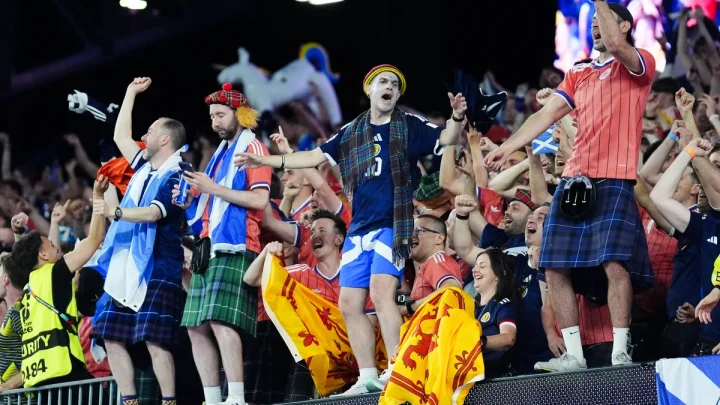
England v Mexico Kick-Off Time Adjusted to Mitigate Weather Risks at World Cup 2026
England v Mexico kick off time – FIFA has announced plans to adjust the kickoff time of England’s World Cup 2026 encounter with Mexico, shifting it six hours earlier to mitigate weather risks. Originally set for 1 a.m. BST on Monday, the match is now anticipated to begin at 7 p.m. BST on Sunday, a change that could significantly impact fan engagement and logistical arrangements for both teams. This decision comes amid concerns about potential storms in Mexico City, which could threaten the game’s progress if played at its original time.
Weather Concerns Prompt Scheduling Shift
According to tournament safety protocols, lightning strikes within eight miles of the venue trigger an automatic 30-minute delay, a rule that disrupted France’s group-stage match against Iraq. The same rule is now being applied to England’s showdown with Mexico, as meteorological forecasts indicate a high likelihood of severe weather conditions on Monday morning. Mexico City, which recently faced a delay in its last-32 match against Ecuador due to rain, is expected to experience similar disruptions, prompting FIFA to act proactively.
Media outlets in Mexico have reported that the game’s timing has been altered to accommodate the weather risk. The new kickoff time of 7 p.m. BST aligns with 12 p.m. local time on Sunday, a shift that allows for more favorable conditions. The BBC has corroborated this update, stating that officials are aware of the revised schedule. The adjustment is part of FIFA’s broader strategy to ensure matches are played safely, even if it means altering traditional timings.
Implications for Fans and Scheduling
The earlier start time is likely to benefit English fans, who may find it more convenient to watch the match at 7 p.m. BST rather than at 1 a.m. However, the change could create complications for FIFA’s scheduling. The Brazil vs. Norway last-16 clash is scheduled to kick off at 9 p.m. BST, meaning a potential overlap could occur if England’s game extends into extra time or requires additional injury time. This scenario, which FIFA typically avoids outside the final pool stage, has sparked discussions about further adjustments to maintain a balanced tournament calendar.
Interestingly, FIFA is also considering moving Brazil’s match back by an hour to 10 p.m. BST, ensuring no direct conflict. This dual adjustment highlights the organization’s flexibility in responding to environmental challenges. The decision to prioritize weather safety over traditional timing underscores the growing importance of adaptability in modern football tournaments.
Player Perspectives on the Timing Shift
Despite the logistical changes, England’s players remain focused on the match itself. During a training session on Friday, Marcus Rashford acknowledged the situation as “not ideal” but emphasized the team’s preparedness. “For us, it’s the same how we prepare for the game,” he said. “It has to be the same. We have to be focused. We have to be ready for anything. I think it’s one of our strengths as a group.”
“Everyone, including the players and staff, we are ready for whatever challenges get thrown at us. So obviously it’s not ideal, but it doesn’t really matter,” Rashford added, reflecting the team’s resilience.
Morgan Rogers, a midfielder in the squad, echoed Rashford’s sentiment. “I don’t think it really affects us. I think we’ll be ready regardless of the time. Earlier probably the better, because you want to play it,” he noted, highlighting the players’ commitment to performance. The shift may also ease the strain on hospitality and transportation services, which could be more efficiently managed during the evening rather than the early hours of the morning.
Broader Context: Weather-Related Delays in Football
The timing change for England v Mexico is part of a trend in international football to address weather-related disruptions. In previous tournaments, such as the 2022 World Cup in Qatar, matches were occasionally delayed due to extreme heat, demonstrating how climate factors influence scheduling. Similarly, in the 2018 World Cup, rain and lightning forced several games to be rescheduled, including a notable clash between France and Australia. FIFA’s ability to cancel, reschedule, or relocate matches at its discretion has become increasingly vital as global weather patterns grow more unpredictable.
Outgoing UK Prime Minister Sir Keir Starmer recently relaxed licensing laws to allow pubs to stay open until 5 a.m., raising questions about how this decision might intersect with the potential earlier kickoff. While the change could benefit late-night entertainment, it remains unclear whether the new schedule would require further adjustments to nightlife operations. Additionally, debates have emerged regarding whether schools in England should delay the start of the day on Monday to accommodate the match, a proposal that has garnered mixed reactions from educators and parents.
FIFA’s Strategy and Fan Engagement
FIFA’s decision to shift the England v Mexico match reflects a growing emphasis on fan experience and safety. By moving the kickoff to a more accessible time, the organization aims to maximize viewership and reduce the inconvenience for supporters in the UK. The earlier timing also allows for greater flexibility in broadcasting, enabling more households to tune in without conflicting with work schedules or other events.
However, the change has not been without controversy. Some analysts argue that adjusting kickoff times for convenience could set a precedent for future tournaments, potentially complicating the traditional structure of match schedules. Others believe it is a necessary step to ensure the integrity of the game, especially in regions prone to sudden weather changes. As the World Cup 2026 approaches, the success of this adjustment will likely influence how future matches are managed in similar circumstances.
With the revised schedule now in place, the focus shifts to preparation for the game itself. England’s squad will need to adapt their routines to the earlier time, ensuring peak performance regardless of the hour. The same applies to Mexico, who will face the challenge of aligning their team’s readiness with the new timing. As both nations gear up for this crucial last-16 clash, the resilience of their players and staff will be tested, much like the weather conditions they are attempting to evade.
Meanwhile, FIFA continues to monitor the situation, with officials in ongoing discussions about further adjustments. The organization’s ability to swiftly respond to challenges will be critical in maintaining the smooth operation of the tournament. As the World Cup progresses, such decisions may become more frequent, shaping the way matches are structured in the face of environmental uncertainties.
Stay Connected for Updates
To ensure you don’t miss any developments, consider refreshing the page or navigating to another section of the site to remain logged in. Stay tuned for further announcements as FIFA and the teams work to finalize their preparations for this high-stakes encounter.