Haiti Make Change to World Cup 2026 Shirt After FIFA Complaint
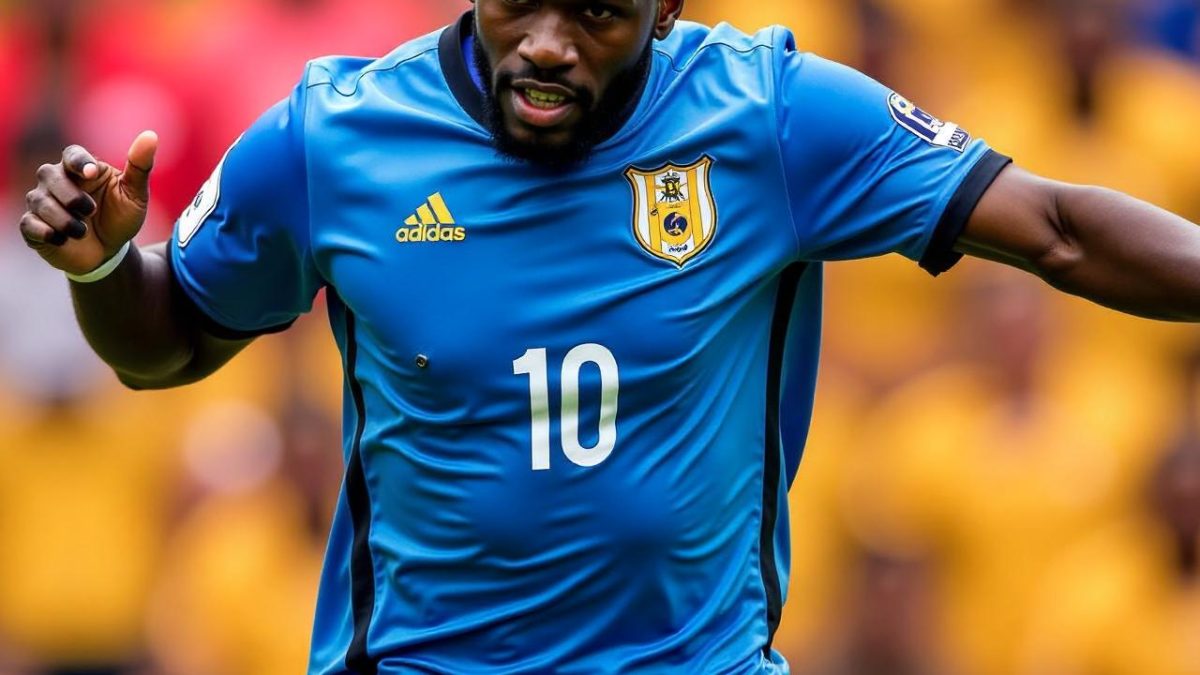
Haiti make change to World Cup 2026 – Haiti has updated its World Cup 2026 uniform ahead of its crucial Group C match against Scotland in Boston on Saturday. The modification came after a dispute with the International Football Federation (FIFA) over the design of the shirt, which initially featured a powerful image of a historic battle. The change, made swiftly by the team’s supplier, reflects the tension between national identity and the governing body’s rules on political messaging in sports.
The Design Controversy
The original shirt, unveiled earlier this week, depicted the Battle of Vertieres in 1803, a pivotal moment in Haiti’s fight for independence. This image, chosen to honor the country’s revolutionary legacy, was intended to symbolize resilience and pride. However, FIFA raised concerns, arguing that the graphic could be interpreted as a political statement. The controversy erupted during the pre-tournament friendlies against New Zealand and Peru, where the design was prominently displayed.
Shirt manufacturer Saeta, based in Colombia, confirmed the design adjustment on Wednesday. The company worked closely with the Haitian Football Federation (HFF) to finalize the look, but the conflict with FIFA led to a last-minute revision. “The visual elements were meant to celebrate the spirit of the Haitian people, not to make a political point,” said Saeta in a statement, highlighting the team’s intention to align the shirt with historical significance rather than current political agendas.
FIFA’s Rules and the Interpretation Debate
FIFA’s regulations prohibit any “political, religious, or personal messages or slogans” on match uniforms. The organization clarified that the Battle of Vertieres, while a crucial event in Haitian history, could be seen as a political symbol due to its association with the country’s fight against colonial rule. The shirt’s depiction of the battle, which led to Haiti becoming the first independent Black republic in the world, was deemed to cross the line into political representation.
“During the review process, FIFA determined that certain visual elements could be interpreted differently under its equipment regulations and ultimately requested modifications to the design,” Saeta added in a
. “While this interpretation differed from our intention, Saeta respected the process and implemented the final requirements communicated by FIFA.”
The manufacturer emphasized that the revised shirt still captures the essence of Haiti’s heritage, albeit in a more neutral form. The change, however, has sparked discussions about how sports branding balances cultural expression with regulatory compliance.
Haiti’s World Cup Journey
Haiti’s participation in the 2026 World Cup marks a historic milestone. It will be the nation’s first appearance in the tournament since 1974, a time when they struggled to compete on the global stage. That campaign saw Haiti lose all three group games, conceding a total of 14 goals. This year, the team aims to reclaim their place among the world’s top football nations, with the Group C fixture against Scotland serving as a critical test.
Recent performances have hinted at progress. A decisive 4-0 victory over New Zealand in a friendly match demonstrated improved cohesion and attacking flair. However, a 2-1 loss to Peru highlighted the challenges that remain. Despite these ups and downs, optimism is growing ahead of the group stage, which includes matches against Morocco and Brazil—two formidable opponents with strong global reputations.
“This World Cup represents a dream come true for Haitian football,” said a team spokesperson in a statement. “We’re focused on delivering our best possible performance, even if it means adapting our design to meet the expectations of the sport’s governing body.” The HFF has expressed support for the decision, acknowledging the importance of FIFA’s guidelines in maintaining the integrity of international competitions.
Political and Cultural Tensions
The dispute over the