Water Breaks: FIFA’s Revenue-Driven World Cup Decisions Under Fire
Water gate – The 2026 World Cup, set to take place in Mexico City, has introduced a controversial element to the match format: mandatory three-minute hydration breaks during every half. This decision, penned by FIFA, has sparked criticism from fans and analysts alike, with some calling it a glaring example of the organization’s increasing focus on profitability over the integrity of the sport.
The Commercialization of the Game
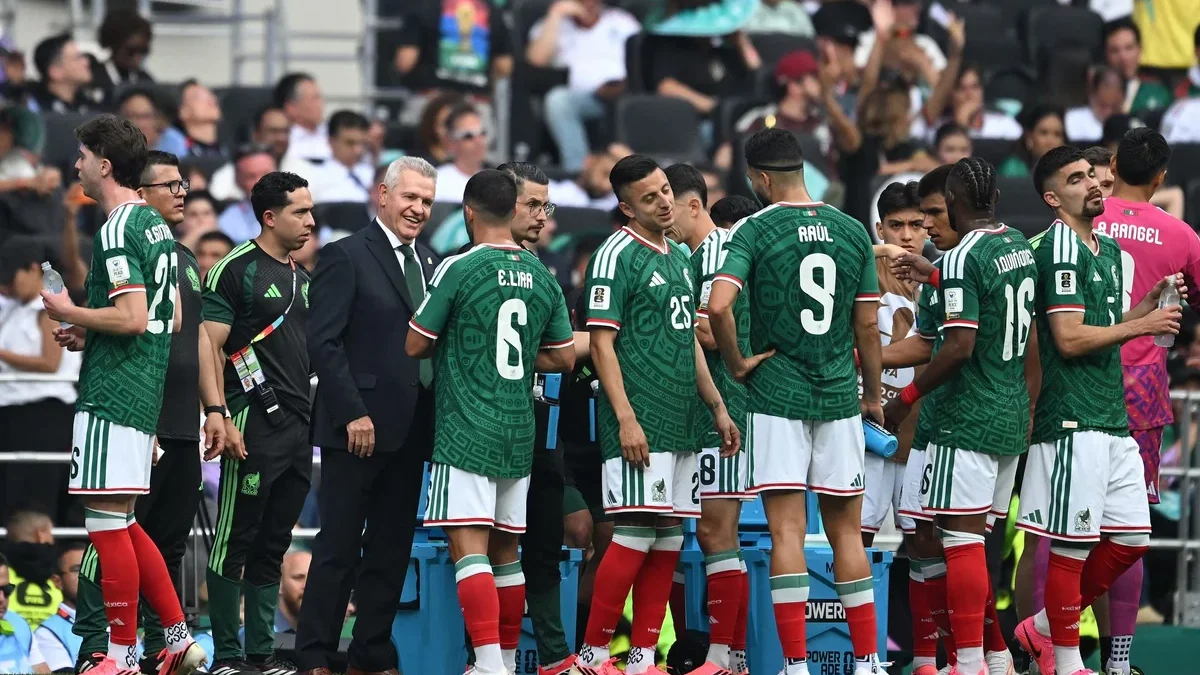
When the first game of the World Cup paused after 24 minutes, the moment was seized by Fox Sports to showcase lucrative advertisements. Ian Darke, the commentator, exclaimed, “
This hydration break is powered by Powerade
,” as the stadium screens switched to promotions for brands like AT&T, Michelob Ultra, Lowe’s, and FanDuel. The break, though brief, became a spectacle in itself, with the crowd’s excitement momentarily replaced by corporate messaging.
Despite the relatively mild 23°C weather in Mexico City, the break disrupted the flow of play. Fans, accustomed to the intensity of live matches, found themselves questioning the necessity of such interruptions. The sudden shift from action to ads left spectators puzzled, with many wondering why a three-minute pause was required for players to hydrate. The timing seemed arbitrary, and the impact on the game’s rhythm was palpable.
A Historic Venue Under Scrutiny
The Estadio Azteca, a footballing landmark, hosted the first match of the tournament, yet its grandeur was overshadowed by the commercial interruptions. This stadium, where Pelé etched his legacy in 1970, witnessed the iconic “perfect pass” to Carlos Alberto and the legendary “hand of God” goal by Diego Maradona, has now become a stage for advertising. The irony was not lost on observers, as the venue was renamed “Mexico City Stadium” to align with FIFA’s branding standards, a move critics argue dilutes its storied history.
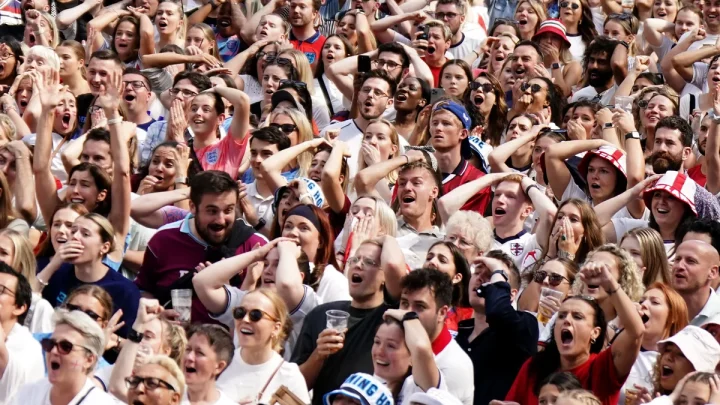
Ally McCoist, standing on the touchline for ITV Sport, was visibly moved by the proximity to football history. Yet, the emotional weight of the moment contrasted sharply with the practicality of the hydration breaks. The stadium’s atmosphere, once electric with anticipation, began to fade as fans left their seats to grab food and drinks. The “dance cam” feature, which dominated the screens during the break, further detracted from the live experience.
FIFA’s Financial Motivations
FIFA’s decision to implement hydration breaks in all 104 fixtures has been scrutinized as a strategic move to maximize revenue. The governing body claims these pauses will “ensure the best possible conditions for players,” but many argue that the primary goal is to create more advertising opportunities. Fox Sports, in particular, has benefited significantly from this change, leveraging the breaks to insert high-value commercials.
Earlier this year, FIFA ceded control of the 2026 World Cup to Fox Sports in a $500 million deal. This agreement, reached in 2015, was a compromise to avoid a legal battle over the tournament’s scheduling shift from summer to winter. The deal proved advantageous for Fox, as the event would be held on home soil in North America and expanded to 48 teams, creating a record number of matches. The broadcast rights are estimated to be worth $1.5 billion, and Fox secured them at a third of that price, raising questions about FIFA’s priorities.
The hydration breaks have created a new revenue stream for broadcasters. With 104 games in the tournament, each split into four segments, there could be 208 in-game ad slots. Michael Johnson, a research analyst for S&P Global, noted that these slots might “command Super Bowl-level prices within a seven to nine-million-dollar range.” This financial incentive has led to speculation that the breaks are not just about player welfare but about maximizing profit.
Opposition from Coaches and Fans
US coach Mauricio Pochettino voiced his disapproval of the breaks, stating, “
I don’t like it
.” He argued that such pauses are unnecessary unless conditions are extreme, which they were not in Mexico City. Pochettino’s sentiment reflects a growing concern among football purists that the game is being compromised for commercial gain.
Analysts have pointed out that the breaks not only interrupt the flow of play but also reduce the overall engagement of fans. The timing of these pauses—often during critical moments of a match—has been criticized for diminishing the excitement of the game. For instance, the first match’s opening goal, which should have been a highlight, was overshadowed by the transition to ads. This has led to a debate about whether the World Cup is losing its essence in the pursuit of profit.
Future Implications
As the tournament moves forward, the impact of these breaks on global viewership remains a topic of discussion. If the 2030 World Cup is held in the scorching heat of Morocco, Spain, and Portugal, the necessity of hydration breaks may become even more pronounced. However, the financial incentives for broadcasters could drive similar decisions, regardless of the conditions.
With FIFA’s recent history of prioritizing partnerships over tradition, the renaming of the Estadio Azteca and the potential renaming of future venues after corporate sponsors like Coca-Cola or Hyundai-Kia further underscore the organization’s commercial ambitions. The question now is whether these changes will enhance the World Cup experience or erode its cultural significance.
While the hydration breaks may serve a practical purpose, their effect on the game’s spectacle has been a point of contention. Fans and commentators alike argue that the breaks, though brief, introduce a sense of artificiality that detracts from the natural flow of football. As the World Cup progresses, the debate over these interruptions will likely continue, highlighting the tension between tradition and profitability in the sport’s most iconic event.