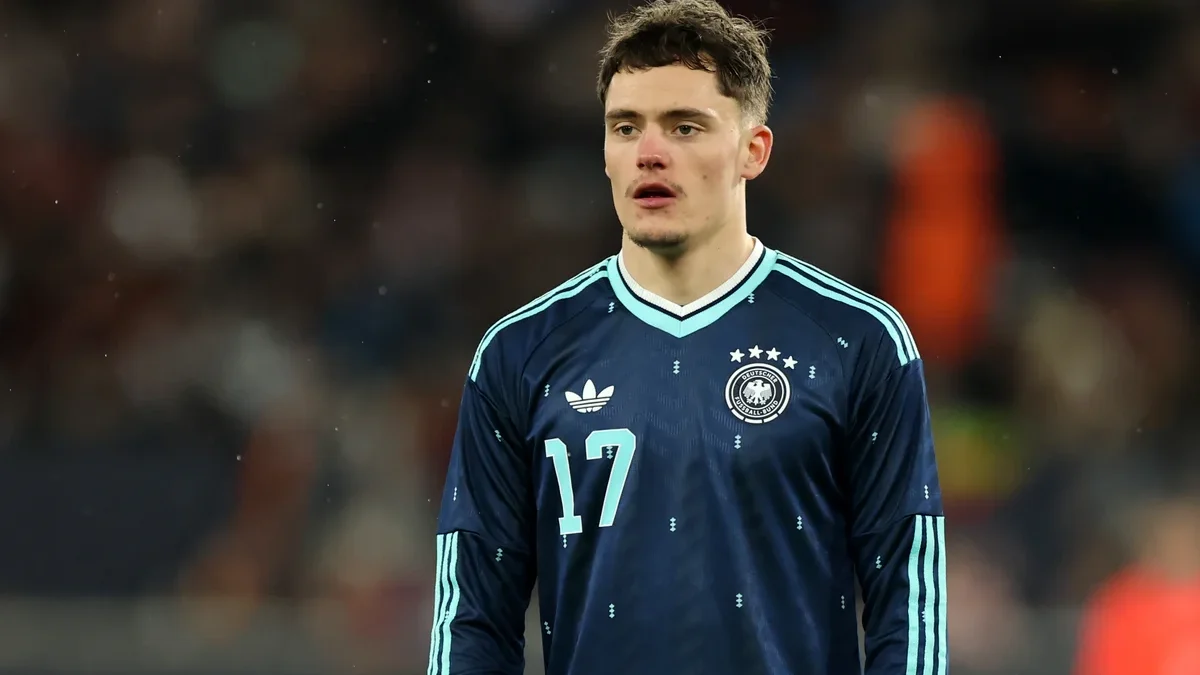
World Cup 2026 Group E Preview: Germany’s Road to Redemption Amidst a Talented Field
World Cup 2026 – As the 2026 World Cup approaches, the global football stage will once again be divided into 12 competitive groups, each vying for a chance to advance to the knockout rounds. Group E, in particular, promises to be a battleground of intrigue and promise, with Germany facing off against Ecuador, Ivory Coast, and the debutant nation of Curacao. This mix of established powerhouses and emerging teams creates an unpredictable environment, where underdog stories and seasoned strategies could collide.
Germany’s Ambitions and Tactical Challenges
Germany, the team that last claimed a World Cup title in 2014, has long been associated with early exits in recent tournaments. Their journey in Russia 2018 and Qatar 2022 ended before the knockout stages, leaving fans eager for a rebound. Under the leadership of Julian Nagelsmann, the squad enters this campaign with renewed confidence, hoping to transform their fortunes. Nagelsmann’s innovative approach has already shown promise, but the challenge lies in balancing their attacking flair with defensive solidity.
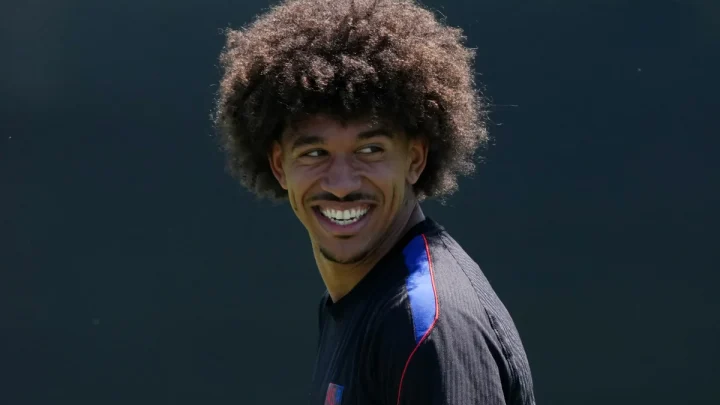
One of the most pressing questions for Germany is how they will structure their attack. With a wealth of options available, including the dynamic Kai Havertz and the emerging talent Lennart Karl, the team must decide which players will spearhead their assault. Havertz, now at Arsenal, brings experience, while Karl, a 18-year-old at Bayern Munich, has demonstrated potential that could reshape the tournament. Behind them, players like Leroy Sane and Jamal Musiala add depth, ensuring Germany’s offensive arsenal remains potent.
However, the backbone of the team is its midfield and defense. Antonio Rudiger, Jonathan Tah, and Leon Goretzka form a core of experience and technical ability, while Joshua Kimmich, the captain, acts as both a playmaker and a stabilizing force. The blend of youth and veteran leadership could be pivotal, especially as they face teams with fresh ambitions. Despite their past struggles, Germany’s confidence has grown, fueled by their confident qualification for this year’s World Cup.
Ecuador’s Golden Generation and a Bold Bid for Glory
Ecuador has made a strong case for being the standout team in Group E, boasting a golden generation of players scattered across Europe’s top leagues. Managed by Argentine coach Sebastian Beccacece, the squad’s physicality and pace make them a formidable opponent. Their qualification campaign was marked by defensive discipline, as they conceded just five goals in 18 matches, finishing second in South America’s qualifiers. This resilience has earned them respect, even as they aim to make a dent in the World Cup hierarchy.
At the heart of Ecuador’s success is Moises Caicedo, the Chelsea midfielder whose performances have drawn comparisons to past stars. His ability to dictate play and create opportunities will be crucial, especially against Germany’s formidable attack. Supporting him are players like Piero Hincapie (Arsenal), Pervis Estupinan (AC Milan), and Kevin Rodriguez (Union SG), who have all made their marks in domestic leagues. Beccacece, a protege of Jorge Sampaoli, has crafted a high-pressing system that could unsettle even the most seasoned teams.
Curacao’s Debut and the Rise of the Small Island Nation
Curacao, the smallest population to qualify for the World Cup, brings a unique underdog narrative to Group E. With a history of punching above their weight in international competitions, the team has earned a reputation for cohesion and tactical discipline. Under Dick Advocaat’s guidance, Curacao has developed a solid defensive structure, capable of frustrating larger nations. The expanded format of the 2026 tournament—where eight third-placed teams will qualify for the knockout stages—gives them a fighting chance to surprise.
While Curacao may lack the individual stars of their rivals, their team spirit and adaptability could make them a wildcard. The tournament’s structure, with more teams and more chances to qualify, ensures that no nation is entirely out of the running. For Curacao, the goal is simple: to compete and create history. Their debut could inspire other small nations, proving that size doesn’t always equate to success on the global stage.
Ivory Coast’s Return to the World Stage
Adding to the group’s intrigue is Ivory Coast, the 2023 Africa Cup of Nations champions. Their return to the World Cup stage is a chance to build on recent success and challenge for deeper progression. The team’s blend of experience and emerging talent makes them a serious contender, particularly as they face the likes of Germany and Ecuador. Their qualifying campaign highlighted their ability to perform under pressure, a trait that could serve them well in the knockout stages.
With key players like Thomas Lemar (Lyon) and Yaya Touré (Al Sadd), Ivory Coast brings a mix of seasoned veterans and young guns. Their tactical flexibility and physicality could pose a threat to even the strongest teams. The challenge for the squad will be maintaining consistency throughout the tournament, especially with the demanding schedule and high level of competition in Group E.
The Battle for Qualification
The battle for Group E’s top spots will be as intense as it is unpredictable. Germany’s historical pedigree, Ecuador’s blend of youth and quality, Ivory Coast’s seasoned roster, and Curacao’s fighting spirit all contribute to a tight race. The team that adapts best to the changing dynamics of the tournament will likely find themselves in the last 32.
Germany’s last World Cup knockout game was the 2014 final in Rio de Janeiro, where Mario Gotze’s extra-time goal sealed their triumph. That victory feels like a distant memory now, but the current squad has the tools to take it further. The key will be how they manage their attack and defense, especially against Ecuador’s physicality and Curacao’s tenacity. For Nagelsmann, the challenge is not just about winning games but about building a cohesive unit that can thrive under pressure.
Meanwhile, Ecuador’s journey may hinge on their ability to maintain a defensive record that could rival their opponents. If Caicedo and his teammates can channel their qualifying form into the World Cup, they might claim the title of dark horses. Ivory Coast, on the other hand, will look to their experience and recent continental success to assert themselves in a group filled with talent.
Player Spotlights and Key Matches
Germany’s forward line is led by Kai Havertz (Arsenal), a player known for his clinical finishing and composure. His partnership with Nick Woltemade (Newcastle) could provide a dangerous attacking option, especially with the added support of Leroy Sane (Galatasaray) and Florian Wirtz (Liverpool). Wirtz, in particular, has shown flashes of brilliance, including a standout performance against Switzerland in March where he scored two goals. His potential to impact the tournament is undeniable.
For Ecuador, Moises Caicedo remains the focal point. His ability to control the tempo of the game and exploit defensive weaknesses could be the difference between success and elimination. The team’s midfield, anchored by Hincapie and Estupinan, will need to provide the support he requires. As for Curacao, their defensive strength, led by players like David Raum (Leipzig) and Malick Thiaw (Newcastle), will be their primary asset in a group where every match is a test of resilience.
The tournament’s structure means that even teams not in the spotlight have a chance to make waves. With eight third-place teams advancing, the pressure is on for every nation to maximize their opportunities. Germany’s hopes rest on their ability to capitalize on their attacking threats, while Ecuador and Ivory Coast will look to their strengths to challenge for the top of the group. Curacao, though underdogs, may find themselves in a unique position to disrupt the balance of power.
As the 2026 World Cup nears, Group E promises to deliver a mix of tradition and innovation. Germany’s quest for redemption, Ecuador’s golden generation, and Curacao’s debut are all set against the backdrop of a new era in international football. Whether the group will witness a return to glory or a fresh wave of upsets remains to be seen, but one thing is certain: every match will have the potential to reshape the tournament’s narrative.