
‘Are you completely trustworthy?’: Musk’s attorney presses OpenAI CEO in trial
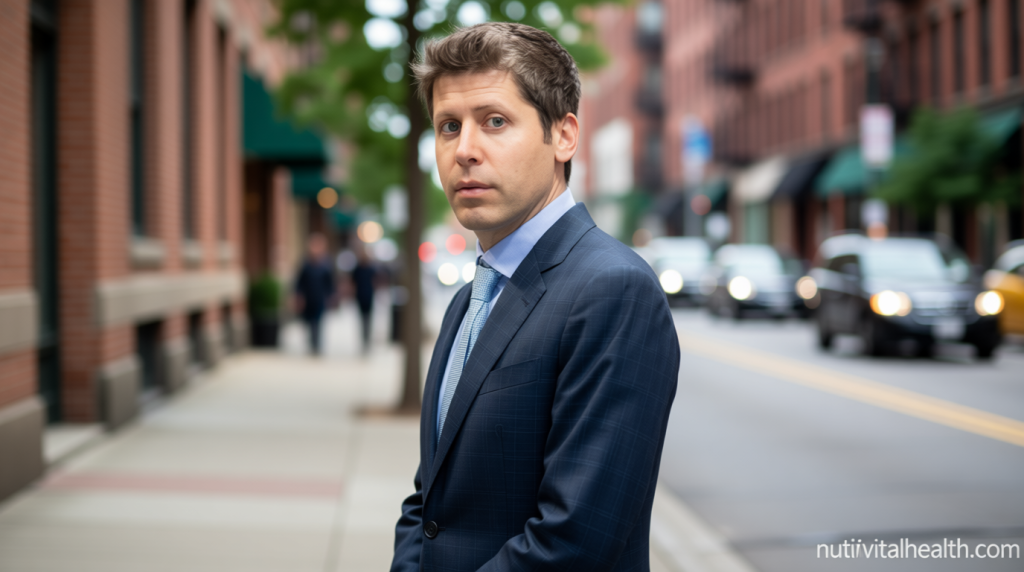
‘Are you completely trustworthy?’: Musk’s Attorney Challenges OpenAI CEO in Trial
Are you completely trustworthy? That was the central question posed by Elon Musk’s legal team as they cross-examined Sam Altman, the CEO of OpenAI, during a high-profile courtroom battle in San Francisco. The exchange, part of a broader dispute over the company’s governance and Musk’s role in its evolution, highlighted the tension between the tech mogul and his former colleagues. Musk’s attorney, Steven Molo, framed the inquiry as a probe into Altman’s leadership, questioning whether the CEO’s decisions aligned with the original nonprofit mission of OpenAI. The trial has drawn significant attention, as the outcome could reshape the company’s trajectory and its relationship with Microsoft, a major investor and co-defendant in the case.
The Conflict Over Governance and Profit
At the core of the legal dispute is Musk’s assertion that OpenAI and its leaders breached their charitable trust by shifting the organization’s focus to profit. He argued that the company’s transformation into a for-profit entity threatened its mission to develop safe artificial general intelligence (AGI). Microsoft, which initially funded the nonprofit model, now faces scrutiny over its role in the company’s governance. OpenAI, however, maintains that the shift was necessary for growth and that Musk’s push for control was the root of the conflict. The debate over trust and transparency has dominated the proceedings, with both sides presenting conflicting accounts of the company’s direction.
Musk’s Strategy: Questioning Altman’s Leadership
Musk’s legal team has targeted Altman’s credibility, emphasizing his alleged missteps in managing the company’s affairs. They have cited testimony from OpenAI board members and former executives, who described Altman as someone who fostered a culture of secrecy and deceit. Meanwhile, OpenAI’s defense has focused on Musk’s own ambitions, suggesting that his desire for dominance over the organization was the driving force behind the conflict. This contrast in narratives underscores the trial’s focus on whether the company’s leadership was trustworthy in its decisions and whether Musk’s influence was exercised in good faith.
Altman, during his testimony, defended his leadership and acknowledged the board’s concerns but insisted that the removal process was flawed. He referred to the events as a “very public betrayal,” describing the tension between his vision and the board’s push for control. “I was not trying to deceive the board,” he stated, though he admitted that the board’s actions were misaligned with his long-term goals for OpenAI. The CEO also emphasized his commitment to the company’s mission, despite the challenges of maintaining trust in a rapidly evolving field like AI.
Key moments in the trial have centered on Altman’s tenure and the reasons for his ousting. His former colleagues, including Ilya Sutskever, testified about the internal dynamics that led to his removal in 2023. While Sutskever later expressed regret over the decision, he also highlighted the evidence compiled against Altman, including claims of dishonesty and poor decision-making. The cross-examination has revealed the complexity of the situation, with Altman’s return to the CEO role just days after his removal adding another layer of drama to the proceedings.
Musk’s questioning of Altman has also touched on the broader implications of the trial. By asking whether the CEO was “completely trustworthy,” Musk aims to cast doubt on Altman’s ability to lead OpenAI effectively. This strategy aligns with Musk’s broader narrative that the company’s original vision was compromised, and that his influence was necessary to ensure its success. Altman, however, has countered that Musk’s early dominance over OpenAI was a factor in the conflict, suggesting that the CEO’s vision for AGI would have been undermined without his leadership.
“If I knew how difficult and painful this was going to be, I never would have tried,” Altman said, reflecting on his decade with OpenAI. His remarks underscore the emotional and strategic stakes of the trial, as both sides seek to define the company’s legacy and future. The outcome will not only determine the fate of OpenAI’s governance but also test the enduring trust between Musk and his former partners.
