
Exploring Health Science Experiments: Key Insights and Breakthroughs

Exploring Health Science Experiments: Key Insights and Breakthroughs
Health science experiments are crucial in advancing our understanding of medicine, disease prevention, and overall well-being. They help uncover new treatments, improve existing therapies, and offer insights into the complexities of human health. This article delves into the significance of health science experiments, highlighting notable breakthroughs, the methods used, and the potential implications for the future of healthcare.
The Importance of Health Science Experiments
Health science experiments play a pivotal role in shaping modern medicine. They provide evidence-based results that guide healthcare practices and policies. Without rigorous experimentation, medical advancements would not be possible. These experiments are designed to test hypotheses, identify new therapeutic options, and validate the safety and efficacy of treatments.
Many of the medical innovations we benefit from today, such as vaccines, surgical techniques, and diagnostic tools, stem from successful health science experiments. For instance, the development of antibiotics, which revolutionized treatment for bacterial infections, was the result of a series of groundbreaking experiments. As science progresses, health science experiments continue to refine our understanding of human biology and disease pathology.
Types of Health Science Experiments
Health science experiments can be broadly categorized into various types, depending on their objectives and methodologies. These include laboratory experiments, clinical trials, and epidemiological studies, each serving a unique purpose in the quest for health improvements.
1. Laboratory Experiments
Laboratory experiments are foundational in health science. These experiments are typically conducted in controlled environments where variables can be manipulated to observe their effects. For example, researchers may use animal models to test the impact of a new drug or treatment before it is introduced to human clinical trials.
2. Clinical Trials
Clinical trials are experiments involving human participants. They are designed to assess the safety, efficacy, and side effects of medical interventions. These trials are carefully regulated and typically follow a rigorous process: Phase 1 (safety), Phase 2 (efficacy), and Phase 3 (large-scale testing). The success of COVID-19 vaccines was a direct result of extensive clinical trials, demonstrating how crucial these experiments are for public health.
3. Epidemiological Studies
Epidemiology focuses on understanding disease distribution and determinants within populations. These studies do not directly test treatments but provide valuable insights into health trends. For instance, longitudinal studies track the health of individuals over long periods, helping scientists identify risk factors for diseases like cancer, diabetes, or cardiovascular disease.
Breakthroughs in Health Science Experiments
Throughout history, health science experiments have led to groundbreaking discoveries that have saved millions of lives. One notable breakthrough is the development of insulin therapy for diabetes, which was first discovered through animal experiments. Similarly, the discovery of penicillin as an antibiotic revolutionized the treatment of infections, a direct result of Alexander Fleming’s laboratory work.
More recent experiments have focused on personalized medicine, aiming to tailor treatments based on an individual’s genetic makeup. The Human Genome Project, completed in 2003, is one of the most significant experiments in this field. By mapping human DNA, scientists now have the tools to design therapies that are more effective and have fewer side effects.
Ethical Considerations in Health Science Experiments
While health science experiments offer immense benefits, they also come with ethical considerations that must be carefully managed. The protection of participants, especially in clinical trials, is paramount. The Helsinki Declaration, adopted by the World Medical Association, outlines ethical principles for conducting experiments involving human subjects, emphasizing informed consent, safety, and privacy.
In recent years, ethical debates have arisen regarding the use of genetic editing technologies, such as CRISPR. While these tools have the potential to treat genetic disorders, they also pose ethical dilemmas, particularly regarding gene editing in embryos and the potential for “designer babies.” These issues highlight the need for ethical guidelines that balance innovation with human rights and safety.
The Future of Health Science Experiments
As technology continues to evolve, health science experiments are becoming more advanced. Innovations such as artificial intelligence (AI) and machine learning are enabling faster and more accurate predictions in health research. AI can analyze large data sets quickly, identifying patterns that might otherwise be missed. This could lead to earlier diagnoses and more effective treatments.
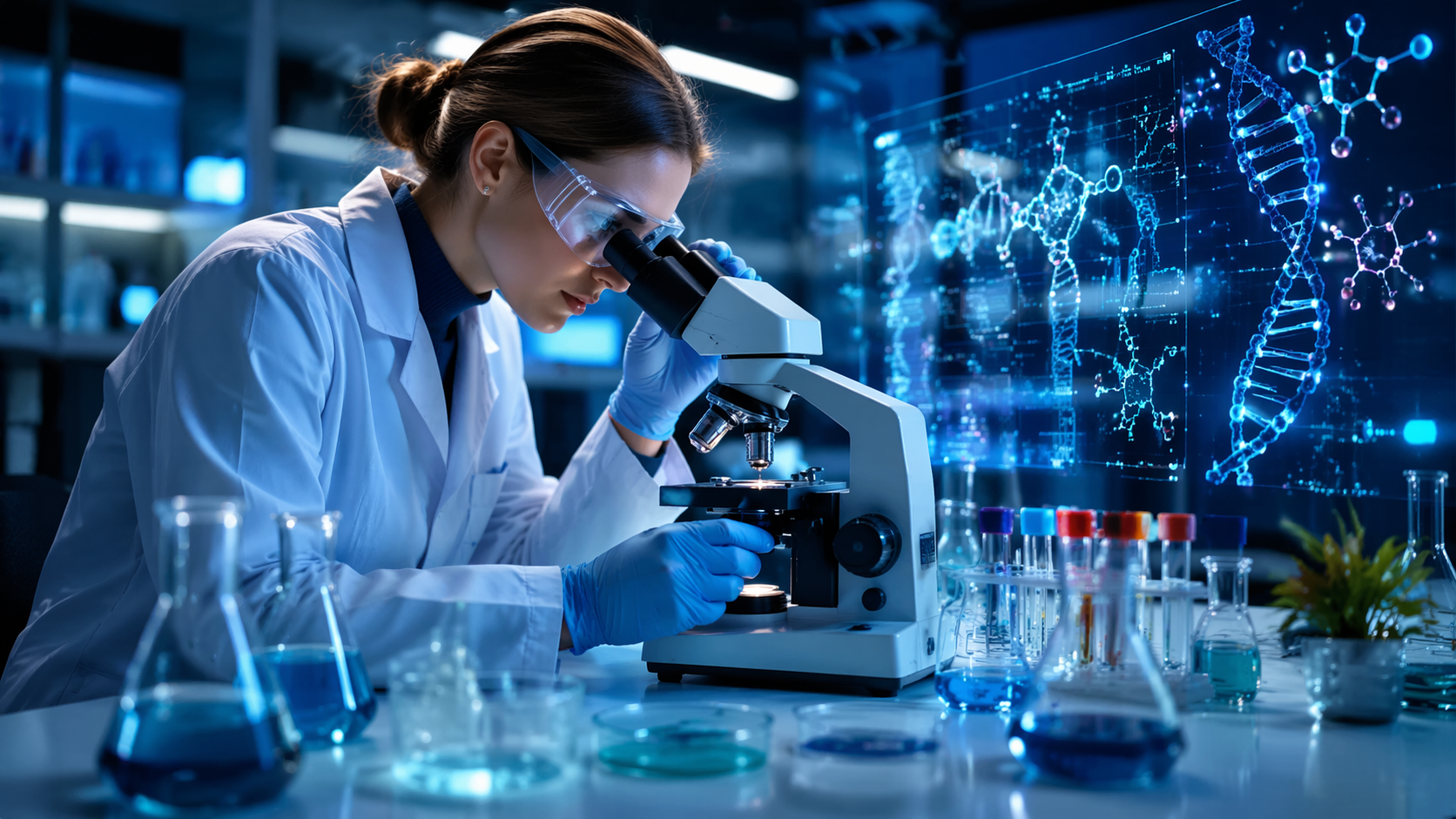
Moreover, virtual reality (VR) and augmented reality (AR) are being used in medical training and treatment planning, allowing healthcare professionals to simulate surgeries or examine the anatomy of patients in 3D. These tools are not only enhancing education but also providing new ways to explore the human body and develop therapeutic approaches.
Conclusion
Health science experiments are at the heart of medical progress. They provide valuable insights into the mechanisms of diseases, facilitate the development of new treatments, and improve patient outcomes. As we move forward, advancements in technology and ethical considerations will continue to shape the future of health science research.
Through rigorous experimentation and innovation, health science will undoubtedly continue to improve the lives of millions around the world.
*
FAQ
Q: What are health science experiments?
A: Health science experiments are scientific investigations that aim to understand health conditions, test new treatments, and improve medical practices.
Q: Why are clinical trials important in health science?
A: Clinical trials are crucial for testing the safety and effectiveness of new drugs, treatments, and medical devices in human participants.
Q: How do laboratory experiments contribute to health science?
A: Laboratory experiments allow scientists to study diseases, test treatments, and conduct preliminary research in controlled environments before applying findings to humans.
Q: What are the ethical concerns in health science experiments?
A: Ethical concerns in health science experiments include ensuring informed consent, protecting participants’ privacy, and addressing the potential risks of experimental treatments.
Q: How will technology shape the future of health science experiments?
A: Technology, including AI, machine learning, and VR, will make health science experiments more efficient, precise, and capable of identifying new treatments faster.
