It’s one of the most talked-about women’s supplements right now – but does inositol live up to the hype?
It s one of the most – Women across social media platforms are increasingly touting inositol as a miracle solution for managing conditions like polyendocrine metabolic ovarian syndrome (PMOS) and hormonal acne. Yet, many of these claims often lack scientific backing. To separate the viral hype from genuine effectiveness, we turned to experts for clarity.
A Personal Journey with Inositol
When I first heard inositol mentioned on another wellness podcast, I had an internal eye-roll. It felt like yet another supplement being celebrated as a panacea for women’s health. I’d already experimented with probiotics, omega-3s, and oddly textured turmeric tablets, noticing minimal improvements—aside from the visible impact on my savings, of course.
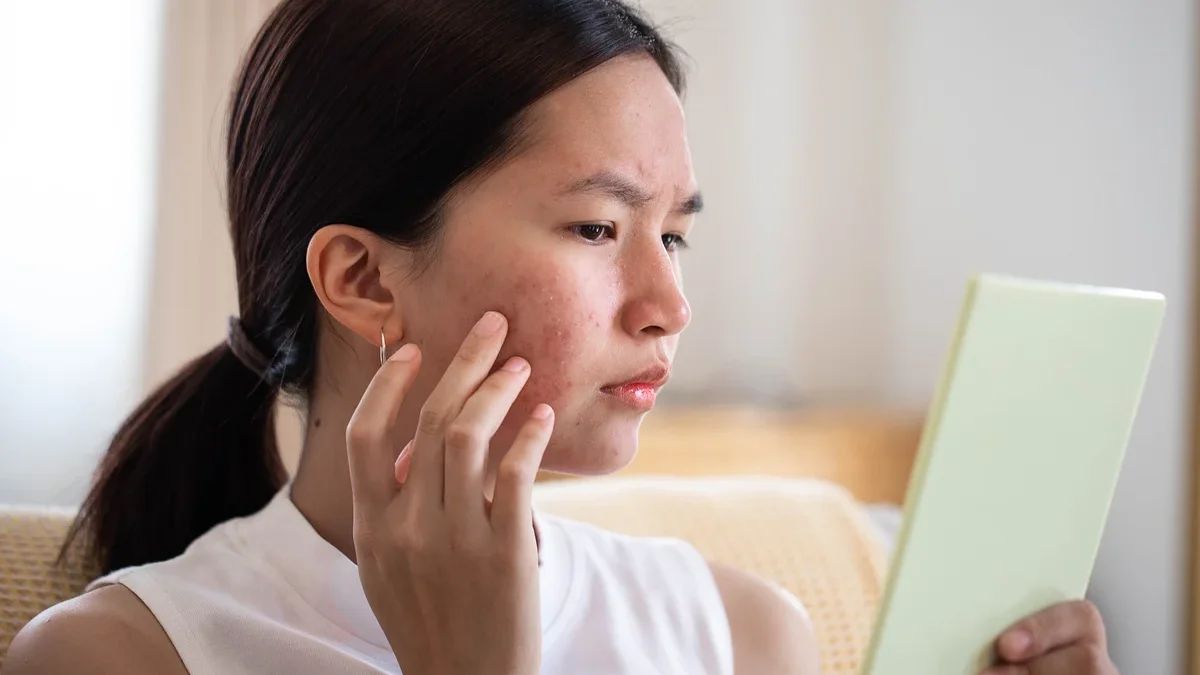
But persistent online testimonials about its potential to clear skin, even if based on personal anecdotes, made me reconsider my skepticism. Over the past year, my hormonal acne has resurfaced with intensity, turning my skin into a battleground. In my mid-30s, I’d say acne is more emotionally taxing than in my teenage years, when peers often shared the same struggles. This made me more open to any remedy, no matter how small, that could offer a glimmer of hope.
Having invested £100 in an LED mask with a “blemish-clearing” blue light setting, which only seemed to worsen my skin, I decided to try a more affordable alternative. Daily myo-inositol tablets—this is the most common form of the compound—cost about £4 a month, which felt like a reasonable gamble. While many dietary supplements come with a steeper price tag for sleek packaging, I opted for a no-frills approach.
Three months later, I’m convinced I made the right choice. The myo-inositol tablets have noticeably calmed my skin, something previous serums, masks, and bizarre gadgets like the argon “high-frequency wand” never achieved. This experience has turned my initial doubt into cautious optimism, especially as the supplement continues to gain traction in wellness circles.
The Rise of Hormonal Wellness
Dr. Sima Al Asad, founder of Dr. Sima Aesthetics in Knightsbridge and a trainee in obstetrics and gynaecology, notes that there’s been a surge in women focusing on their hormonal health. “It’s now a major wellness trend,” she says. “Podcasts, social media accounts, and even everyday conversations online revolve around concepts like cortisol levels, insulin resistance, hormone imbalance, and cycle syncing.” This shift reflects a growing awareness of how internal factors influence skin and overall well-being.
According to Al Asad, inositol has become a recurring topic in these discussions, especially in relation to PMOS, hormonal acne, and weight management. Patients, she observes, are “much more informed” about such supplements than they were just a few years ago. Many now arrive at her clinic already taking inositol or inquiring about it. The popularity is evident online, with TikTok alone hosting roughly 55,000 videos tagged with the #inositol hashtag.
“Compared to even a few years ago, patients are far more aware of supplements like inositol,” says Dr. Nicole Chiang, a cosmetic, medical, and surgical dermatologist. “Women with hormonal acne or polycystic ovary syndrome, in particular, often bring up the topic, and some have already tried it themselves. I’ve seen reports of improvements in menstrual regularity, acne flare-ups, and general wellbeing.”
Chiang highlights the evolving role of women in understanding their body’s chemistry, with supplements like inositol playing a key part in their self-care routines. This trend underscores a broader movement toward personalized, lifestyle-driven health solutions.
What Is Inositol and How Does It Work?
At its core, inositol is a naturally occurring sugar-like compound that plays a vital role in metabolic processes. As Al Asad explains, it “helps the body manage insulin, hormones, and cell communication.” While the body produces inositol, it’s also present in foods such as nuts, legumes, and whole grains. Historically, it was grouped with the B vitamins, and it’s still sometimes called vitamin B8. However, it’s actually a “pseudovitamin” since the kidneys and liver can synthesize it, making it non-essential for daily intake.
Despite its pseudovitamin classification, inositol’s potential benefits for hormonal health have sparked significant interest. Research suggests that enhancing insulin signaling could indirectly support skin health, particularly for those dealing with hormonally driven breakouts. Al Asad emphasizes that this area of study is expanding, with more focus on how inositol might influence these biological pathways.
The compound’s dual nature—as both a natural substance and a dietary supplement—has fueled its appeal. For many, it’s a low-risk option that fits into their wellness regimens. Its affordability and perceived efficacy make it an attractive choice, even as the market is flooded with similar products.
From Testimonials to Science
While anecdotal evidence drives much of the online buzz, the scientific community is beginning to take a closer look. Studies indicate that myo-inositol may help regulate insulin levels, which is linked to hormonal acne and weight management. This connection is gaining attention, with experts like Al Asad noting that patients are eager to explore its benefits.
Yet, the evidence remains mixed. Some research supports inositol’s role in improving symptoms associated with conditions like PCOS, while others call for more rigorous trials. “It’s a promising area,” says Chiang, “but we need more data to fully understand its impact.” This cautious optimism aligns with the growing trend of integrating supplements into holistic health approaches.
As the demand for inositol increases, so does the need for clearer guidance. For women navigating hormonal challenges, the supplement offers a tangible option—though its effectiveness can vary. Al Asad and Chiang both agree that while inositol isn’t a cure-all, it can be a valuable tool in the right context. For now, it’s a welcome addition to the conversation about women’s health, even if the science behind it is still being unpacked.
Whether inositol lives up to its hype remains to be seen. But for someone like me, who’s spent years battling hormonal acne, the results so far are hard to ignore. As the supplement continues to dominate wellness discussions, it’s worth keeping an open mind—and a healthy dose of critical thinking.