18-Year-Old Dies in Central Park Horse-Drawn Carriage Incident
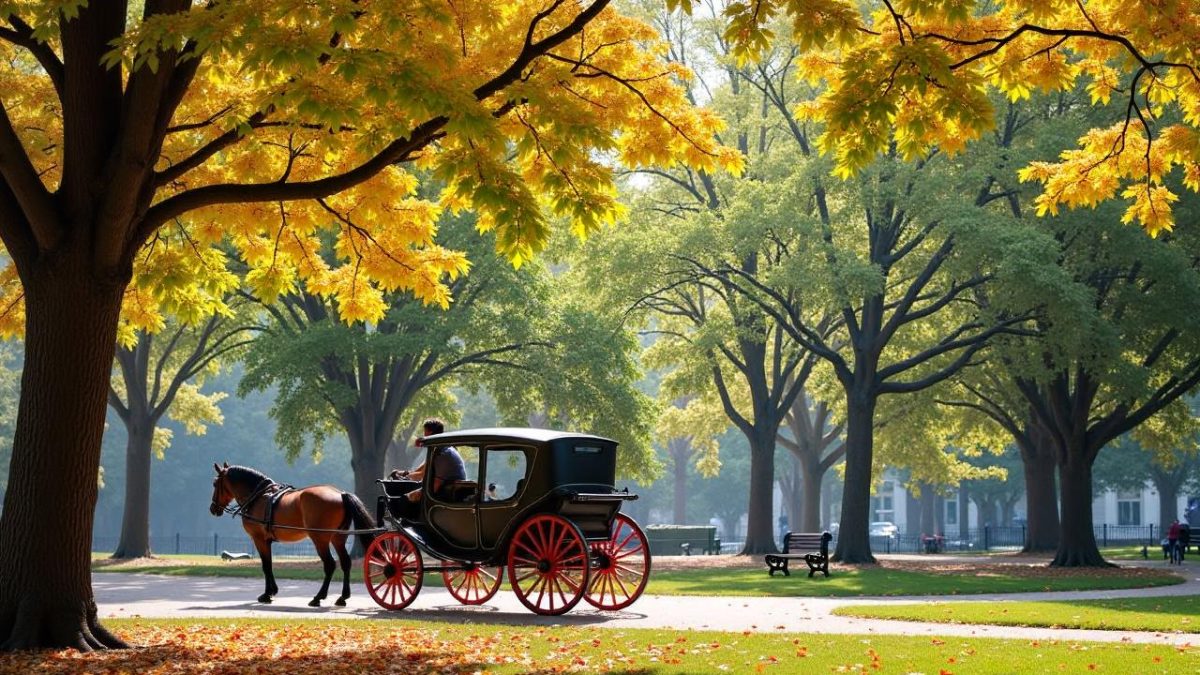
18 year old dies after being – Central Park has become the scene of a tragic accident involving a horse-drawn carriage, resulting in the death of an 18-year-old passenger. The incident, which occurred just before 3 p.m. on Wednesday, left the teenager in critical condition before he was later pronounced dead by the New York Police Department. According to authorities, the accident happened when the horse suddenly bolted, causing at least two individuals to be thrown from the vehicle. The carriage, a four-wheeled contraption, was traveling along the park’s well-traveled loop when the horse’s unexpected movement led to a chaotic collision with another carriage.
Driver’s Actions Under Scrutiny
A representative from the Transport Workers Union, which represents employees in the carriage industry, claimed that the driver had dismounted to take a photograph of his passengers—a move that is not allowed during operation. The union’s administrative vice president, Alexander Kemp, stated that the horse had been part of the park’s carriage fleet for only six weeks. “This was a relatively new addition to our industry,” Kemp said, emphasizing the need for a thorough investigation into the incident.
“Safety in the park has been a growing concern among many, and improvements are needed to be made with respect to all vehicles, including e-bicycles, delivery vehicles, pedicabs, and horse-drawn carriages,” Kemp added in a statement.
The other passengers involved in the crash reportedly declined medical treatment at the scene, though no further details about their conditions have been released. The incident has sparked renewed debate over the safety of horse-drawn carriages, which have long been a fixture of New York City’s iconic Central Park. While some see them as a charming piece of history, critics argue they pose significant risks to both passengers and the animals themselves.
Central Park’s Legacy in Peril
The 150-year-old tradition of horse-drawn carriages in Central Park is now under scrutiny after a series of recent accidents. Wednesday’s tragedy follows a fatal horse collapse last week, raising questions about the industry’s ability to adapt to modern safety standards. The Central Park Conservancy, which manages the park and previously supported a ban on horse-drawn carriages in 2022, has called for an end to the practice. “A young man came to enjoy our park and lost his life,” the group stated in a press release. “That is not an acceptable cost of an antiquated industry operating in the middle of one of the most heavily used public spaces in America.”
The Conservancy’s stance highlights a broader conflict between preserving historical elements and ensuring public safety. While the carriage industry has operated for over a century, its role in the park’s crowded pathways has increasingly drawn criticism. Advocates for the ban argue that the animals are often overworked and that the carriages can cause collisions with pedestrians and other vehicles, especially during peak hours.
Video Evidence Captures Chaos
Footage of the incident has since gone viral, capturing the moment the horse sprinted through the park while two individuals appeared to leap from the carriage. A second video shows the carriage toppling over after it clipped the wheels of another ride, creating a dangerous chain reaction. These clips have underscored the unpredictable nature of the accident, which left the teenager as the sole fatality so far.
The videos also reveal the complexity of the park’s transportation network. Carriages, e-bicycles, and other vehicles share the same paths, leading to potential conflicts. “The park’s layout makes it easy for these incidents to escalate quickly,” said a local observer. “With so many moving parts, a single mistake can have severe consequences.”
Industry Faces Growing Pressure
The horse-drawn carriage industry, which operates under strict regulations, has faced mounting pressure from city officials and activists. While the drivers are trained to manage the horses, the recent events have highlighted gaps in safety protocols. The Transport Workers Union has since called for additional measures, including mandatory training sessions and revised guidelines for drivers.
Public sentiment has also shifted. Many residents and visitors are questioning whether the traditional rides should remain a part of Central Park’s landscape. “It’s a beautiful experience, but the risk is real,” said one park-goer. “We should be able to enjoy the park without worrying about accidents.”
Historical vs. Modern Challenges
Central Park’s horse-drawn carriages are more than just a tourist attraction—they represent a cultural and historical symbol of New York City. However, their continued presence in a bustling urban environment has led to calls for modernization. Critics argue that the carriages, with their narrow wheels and lack of protective barriers, are vulnerable to sudden movements, especially in crowded areas.
Supporters of the industry, on the other hand, highlight its economic impact and the way it adds character to the park. “These carriages are a part of our city’s identity,” said a local business owner. “They bring people together and offer a unique experience.” Despite these arguments, the recent deaths and accidents have forced a reevaluation of the industry’s role in the park.
Future of the Carriage Industry Uncertain
As the investigation into Wednesday’s incident unfolds, the future of Central Park’s horse-drawn carriages remains uncertain. The Transport Workers Union has pledged to work with city officials to implement changes, while the Conservancy continues to push for a complete ban. “The back-to-back incidents show that the risks are no longer a minor inconvenience,” said the Conservancy’s spokesperson. “It’s time for the city to prioritize safety over nostalgia.”
Meanwhile, the families of the victims and the passengers who survived are calling for immediate action. “We need to know what went wrong and how to prevent this from happening again,” said the teenager’s mother. The incident serves as a stark reminder of the delicate balance between preserving history and protecting lives in one of the world’s most visited public spaces.
Central Park, a sprawling green oasis in the heart of Manhattan, has long been a hub for both recreation and commerce. The horse-drawn carriages, which date back to the 19th century, have become a popular way for visitors to experience the park’s scenic routes. Yet, as the number of incidents grows, the question remains: can this centuries-old tradition survive in an era of heightened safety expectations?
With the teenager’s death adding to the list of concerns, the debate over the carriage industry’s future is likely to intensify. Whether through stricter regulations, technological upgrades, or a full-scale ban, the park’s transportation system will need to evolve to meet the demands of a modern, bustling city. For now, the incident serves as a somber reminder of the risks inherent in this age-old practice.