Iran-US War Latest: Trump’s Threat to Withdraw from Talks Over Hormuz Toll Dispute
Iran US war latest – As tensions between Iran and the United States escalate, President Donald Trump has issued a stark warning, stating that he will walk away from ongoing negotiations if Iran attempts to impose tolls or other fees on maritime traffic passing through the strategically vital Strait of Hormuz. This declaration comes amid growing concerns that the two nations are drifting further apart on critical issues essential to achieving a lasting peace agreement.
Trump’s Demands and Iran’s Response
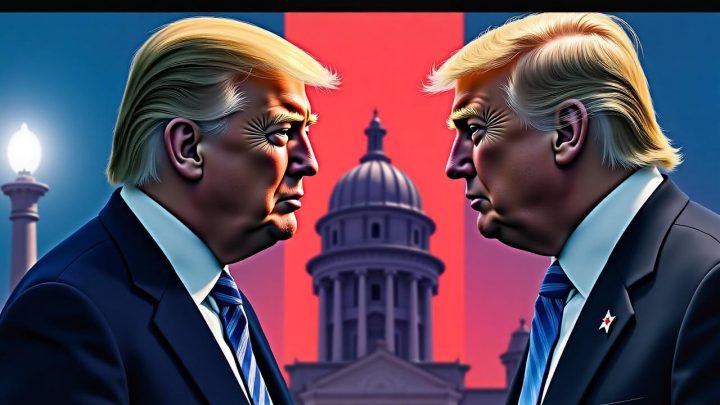
On Wednesday, Trump asserted that Iran had not yet begun levying tolls or charges on ships traversing the Strait of Hormuz. “NO TOLLS, NO INSURANCE COSTS, & NO OTHER CHARGES OF ANY KIND BEING SOUGHT OR RECEIVED BY IRAN ON SHIPS TRAVELING THE STRAIT OF HORMUZ,” the president said in a social media post, challenging reports that suggested Iran was planning to do so. He emphasized that the U.S. would proceed with its own financial measures, including using frozen Iranian assets to fund American food exports, if the tolls were indeed implemented.
“If this is false information, negotiations would end immediately,” Trump stated, underscoring the gravity of the situation.
The U.S. and Iran had previously agreed to a 14-point memorandum of understanding, a framework designed to bridge differences and pave the way for a broader peace deal. This interim agreement outlined broad principles for resolving the conflict, including a 60-day period for detailed discussions on Iran’s nuclear program and other contentious matters. However, the latest dispute over tolls threatens to derail these efforts.
Iran’s Strategic Position and Negotiation Framework
Iran’s deputy foreign minister clarified on Wednesday that access to nuclear sites for inspections would be a topic for final negotiations, not the initial talks. This came after the U.S. had suggested that Iran had agreed to allow inspections to resume, a key point of contention. The Iranian stance highlights its determination to retain leverage in the agreement, particularly regarding the terms of sanctions relief and the control of strategic waterways.
Meanwhile, in Lebanon, Israel and its allies have been discussing a U.S.-backed proposal to withdraw Israeli forces from certain territories and hand them over to Lebanese military control. Israeli Prime Minister Benjamin Netanyahu, however, has expressed resistance to this idea, stating that Israel would not retreat from the region. This parallel development underscores the complex web of regional dynamics influencing the peace talks.
The war in Lebanon, which began on March 2, has seen Israel and Hezbollah engage in intense clashes. Tehran has made the cessation of hostilities in the region a central demand, framing it as a necessary condition for any deal with the U.S. The latest incident—a drone strike that killed at least two people in southern Lebanon—has added fuel to the debate. While Lebanese sources reported the attack, Israel claimed it targeted two armed Hezbollah fighters, leaving the exact circumstances of the strike in question.
Skepticism Over the Peace Deal
The proposed accord has drawn criticism across the Middle East, where many nations suffered attacks during the conflict and view the terms as overly favorable to Iran. Key provisions, such as a $300 billion reconstruction fund and the suspension of certain sanctions, have been particularly contentious. Gulf allies, in particular, worry that the financial incentives will bolster Iran’s military capabilities, allowing it to rebuild its forces with U.S. support.
One of the most debated aspects of the deal is its failure to address Iran’s ballistic missile program. While the agreement mandates the free flow of shipping through the Strait of Hormuz for 60 days, it leaves room for Iran to introduce tolls or fees after that period. A diplomat involved in the talks indicated that Iran might propose charges related to environmental standards, navigation, and security in future discussions with Gulf states.
“We’re not going to do anything that undermines the security of our allies, our longstanding allies in the region,” said U.S. Secretary of State Marco Rubio during a visit to Kuwait City, where the U.S. embassy recently reopened after a months-long closure due to the war.
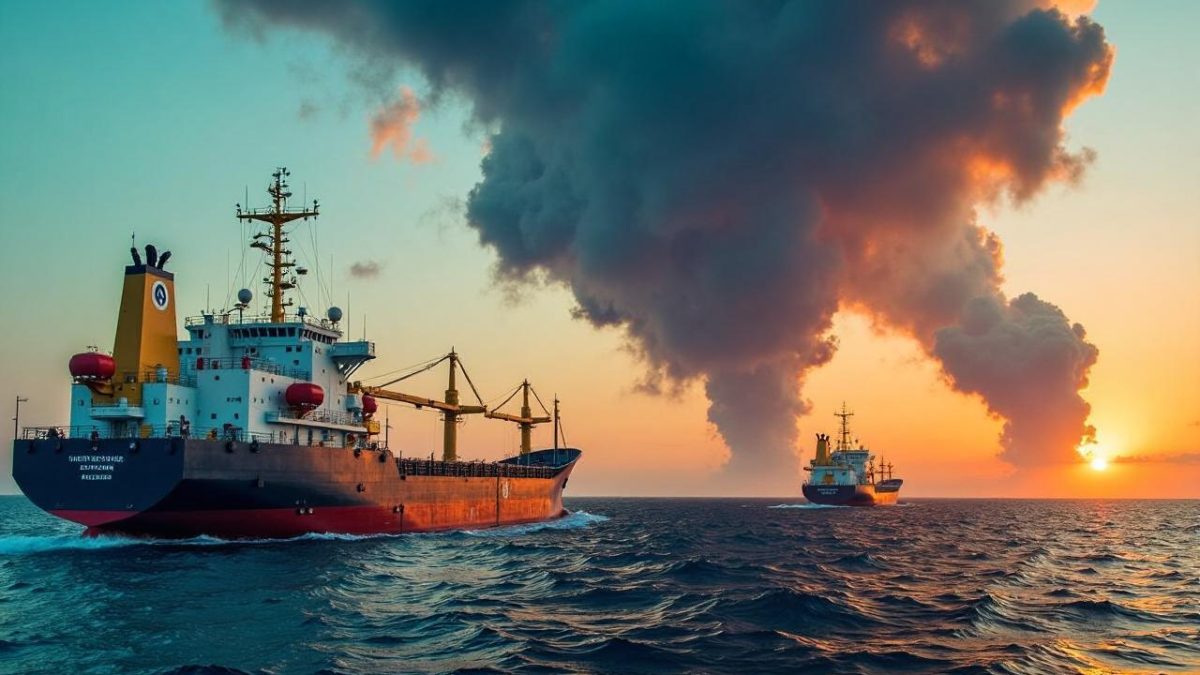
Despite these concerns, the initial agreement has already begun to ease some of the immediate pressures on the Strait of Hormuz. The waterway, which handles a fifth of global oil and liquefied natural gas shipments, has seen traffic resume as Iran’s hold on the region loosens. This development has contributed to a decline in benchmark oil prices, which fell to their lowest level since the war began, reflecting reduced supply anxieties.
Political Reactions and the Path Forward
Trump’s decision to threaten withdrawal from talks has sparked internal criticism within his own party. During a closed-door meeting with fellow Republicans, the president faced pointed scrutiny over his handling of the Iran conflict. Several Republicans noted that Trump had engaged in a heated argument with Senator Bill Cassidy, highlighting the political fallout of the latest developments.
The agreement remains fragile, with multiple areas of disagreement still unresolved. Issues such as Iran’s nuclear program, the role of Israel in the region, and the financial terms of the deal continue to divide the parties. Analysts argue that the success of the talks will depend on both sides finding common ground on these points, particularly as the 60-day negotiation period draws closer.
As the U.S. seeks congressional approval for additional funding to sustain the conflict, the stakes for a successful agreement have never been higher. The tension over the Strait of Hormuz tolls serves as a microcosm of the broader challenges facing the negotiations, with each party eager to assert its position in the diplomatic process.