Iran-US War Developments: Trump’s Directive to Israel and Ceasefire in Lebanon
Peace Talks Interrupted Amid Regional Conflicts
Iran US war latest – Recent diplomatic efforts between the United States and Iran, which had been set to take place in Switzerland, were unexpectedly halted after renewed hostilities erupted between Israel and Hezbollah in Lebanon. This escalation occurred just days before a temporary ceasefire was announced, reigniting hopes for a potential resolution to the ongoing conflict. The abrupt cancellation of the talks has raised questions about the stability of the U.S.-Iran agreement, with officials warning that the situation could derail broader peace initiatives.
Trump’s Strategic Move to Secure Ceasefire
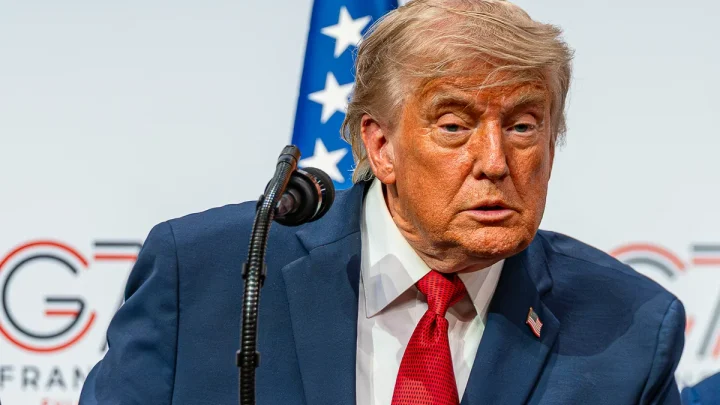
President Donald Trump reportedly directed Israel to accept a ceasefire with Hezbollah, according to reports from NBC News. During a phone call with a journalist, Trump emphasized the need for Israel to “calm down sometimes and use your head,” suggesting that his administration viewed the ceasefire as a critical step in stabilizing the region. This decision aligns with the president’s broader strategy to consolidate the peace deal with Iran, which he had previously championed as a major achievement.
“You just gotta calm down sometimes and use your head,” Trump said, as reported by NBC News.
The move comes as U.S. intelligence officials express concerns that Prime Minister Benjamin Netanyahu might undermine the current peace agreement. Analysts suggest Netanyahu’s political survival depends on demonstrating to his domestic supporters that he will not withdraw Israeli forces from Lebanon, a stance that could complicate the ceasefire negotiations. Despite these worries, the U.S. remains committed to the deal, which it frames as a success for American interests.
Lebanese-Israeli Ceasefire and Its Implications
The temporary ceasefire in Lebanon, announced following tensions between Israel and Hezbollah, has created a window for renewed diplomacy. U.S. State Department officials indicated that the next phase of talks between the two sides will occur in Washington, D.C., from June 23 to June 25. This decision followed a conference call between Secretary of State Marco Rubio and Lebanese President Joseph Aoun, where discussions focused on the potential for a lasting truce.
As part of the ceasefire, U.S. officials have reiterated their call for Hezbollah to be disarmed. State Department spokesperson Tommy Pigott stated, “We support the Government of Lebanon’s efforts to create a fully sovereign state at peace with all its neighbors,” underscoring the administration’s commitment to regional stability. However, the success of these talks hinges on the willingness of both parties to negotiate, with the U.S. vying to turn the interim agreement into a permanent solution.
Iranian Officials Signal Continued Engagement
Iran’s deputy foreign minister, Saeed Khatibzadeh, has affirmed that his country is prepared to advance the peace deal if the U.S. demonstrates genuine commitment. In an interview with Al Jazeera Arabic, he stated, “We are ready to move forward step by step, if the other party shows the same seriousness.” This表态 highlights Iran’s readiness to engage in further talks, provided the U.S. maintains its position on the interim pact.
Meanwhile, Iran’s foreign minister, Abbas Araqchi, is expected to travel to Switzerland for the next round of negotiations, according to Axios. U.S. envoy Steve Witkoff will join him, with both officials already in the country. The resumption of talks signals a renewed push to finalize a lasting agreement, despite the recent setbacks. However, the White House has yet to provide a definitive response to questions about Witkoff’s travel plans.
Regional Security and Multilateral Efforts
Amid the diplomatic turmoil, Pakistan’s foreign ministry has announced plans for a gathering in Cairo on Sunday, where several regional leaders will meet to discuss security concerns. The event, which includes representatives from Pakistan, Saudi Arabia, Turkey, and Egypt, aims to foster collaboration on issues affecting the Middle East. This meeting underscores the interconnected nature of regional conflicts and the need for coordinated efforts to address them.
While the U.S. and Iran focus on their bilateral talks, the broader geopolitical landscape remains complex. The interim peace deal, which has already faced scrutiny, now depends on the successful execution of technical negotiations. The White House has emphasized that the agreement was a product of American strength, ensuring Iran’s inability to acquire nuclear weapons and reopening the Strait of Hormuz for unimpeded maritime traffic.
Challenges to the Peace Process
Despite the ceasefire in Lebanon, challenges persist for the peace process. The U.S. has been cautious in its approach, acknowledging the difficulty of securing a permanent truce. A White House spokesperson noted, “The logistics of these negotiations have never been simple or predictable,” reflecting the administration’s awareness of the obstacles ahead.
Trump’s directive to Israel to agree to the ceasefire has also drawn criticism from some quarters, with Iran’s supreme leader accusing the U.S. of forcing the deal through “desperation.” This claim has been met with Trump’s rebuttal, who asserted that the agreement was not a result of weakness but of decisive American leadership. He further stated, “They are FINISHED! We’ll play out the 60 days. They get no money, not ten cents!”—a clear indication of his intent to maintain leverage in the negotiations.
Looking Ahead: A Fragile Path to Peace
As the U.S. and Iran prepare for the next phase of talks, the success of the interim agreement remains uncertain. The ceasefire in Lebanon, while a positive development, is seen as a temporary measure, with both sides eager to move toward a more permanent resolution. Analysts suggest that the upcoming discussions in Switzerland could determine whether the peace process gains momentum or faces further setbacks.
With key figures like Jared Kushner already in Switzerland and Vice President JD Vance’s trip canceled due to rising tensions, the U.S. delegation is under pressure to demonstrate resolve. The combination of internal and external factors—including Netanyahu’s political motivations and Iran’s strategic calculations—means that the path to a lasting truce is fraught with challenges. However, the willingness of both nations to engage in technical talks offers a glimmer of hope for regional stability.
The ongoing developments in the Iran-U.S. peace process highlight the delicate balance between diplomacy and military strategy. As the international community watches closely, the outcome of these negotiations could have far-reaching implications for the Middle East and global geopolitics. The next steps will depend on the cooperation of all involved parties, including Israel, Lebanon, and the broader regional allies, to ensure the deal’s long-term viability.