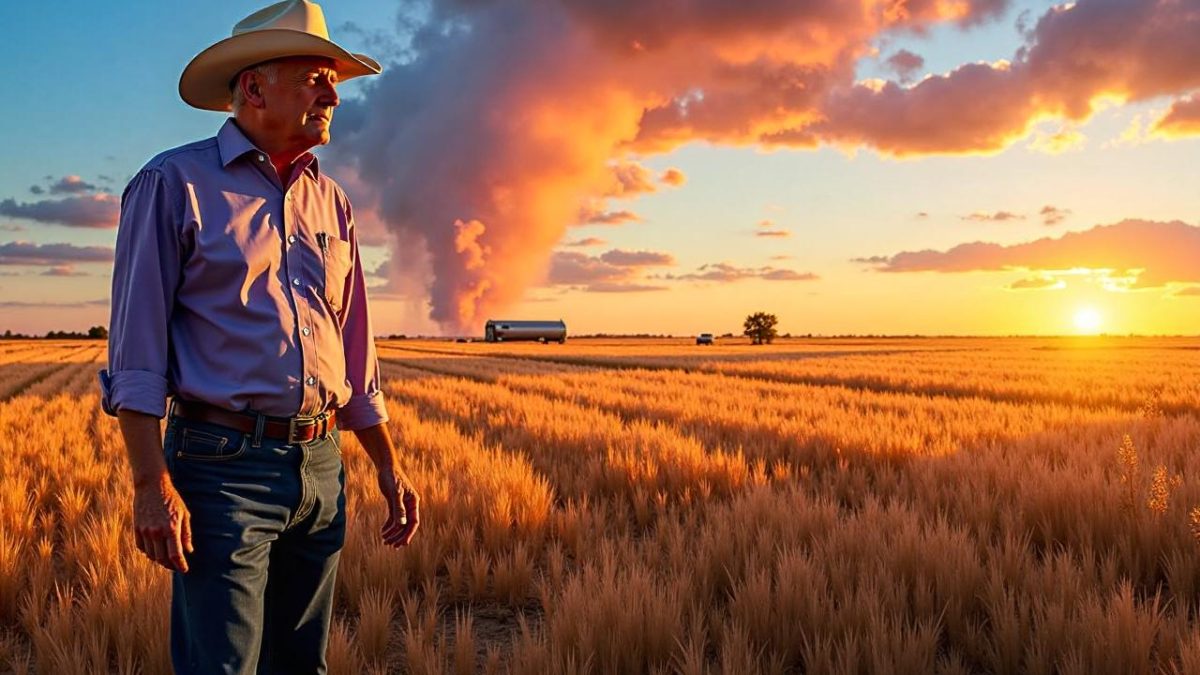
Rural America turns on Trump: President’s approval rating slips to new low in poll
Rural America turns on Trump – Recent data reveals a significant decline in President Donald Trump’s support among rural voters, according to a new survey conducted by Reuters/Ipsos. This shift marks a notable departure from the Republican stronghold that rural America once represented, signaling a growing discontent with the administration’s policies. The poll, which includes a three percent margin of error, highlights how the president’s popularity in these regions has dropped to 50 percent, down from 60 percent in February of the previous year.
The survey underscores a stark divide among rural Americans, with nearly 48 percent expressing disapproval of Trump’s leadership. Meanwhile, only 31 percent of respondents in rural areas approve of his approach to economic challenges and the rising cost of living. This suggests that the tangible impacts of his policies on everyday life have overshadowed any perceived benefits, particularly in regions where economic pressures are more pronounced.
“We’re in bigger water fights with AI, we’re all paying more for groceries and we’re all paying more for gas,” said Brian Rauch, a 42-year-old resident of Stevensville, Montana. “My day to day is negatively impacted, and I haven’t seen these other benefits.”
Despite Trump’s earlier success in winning rural voters by a margin of 40 points in the 2024 election, his administration’s decisions have since complicated life for many in these communities. The ongoing conflict with Iran, which disrupted most oil shipments through the Strait of Hormuz, has led to a surge in gas prices. This has become a critical issue for rural Americans, who often travel greater distances and have lower average incomes compared to urban residents.
Moreover, the war has disrupted the global fertilizer trade, a vital component for agricultural productivity. This disruption, combined with Trump’s imposition of tariffs on essential machinery like farm equipment, has raised input costs for farmers worldwide. These economic challenges have placed additional strain on rural populations, exacerbating existing concerns about affordability and sustainability.
In an effort to address these issues, the Trump administration recently introduced an immigration policy change. This move, aimed at easing the hiring of temporary migrant workers, was a rare concession designed to alleviate the persistent labor shortage in agriculture. However, while this policy may have offered some short-term relief, it appears insufficient to counteract the broader economic effects of his administration’s decisions.
The president’s overall support has also reached a historic low, with a net approval rating of approximately negative 25. This decline is particularly evident among independents without college degrees, a demographic that played a crucial role in his 2024 victory. Their approval of Trump has dropped from 48 percent during his campaign to around 25 percent currently, indicating a loss of momentum for his re-election bid.
Adding to the challenges, a new NBC News poll of 3,000 U.S. adults suggests that the majority of Americans believe the nation’s peak prosperity is in the past. Despite Trump’s efforts to celebrate America’s 250th anniversary and his campaign promise to “Make America Great Again,” these initiatives have not fully restored confidence in his leadership. The poll reflects a broader skepticism about the administration’s ability to address long-standing economic and social concerns.
There is cautious optimism, however, that the recently agreed framework to end the U.S.-Iran war could provide relief. If gas prices remain stable, this development might help restore some support for the president and his rural voters. Nonetheless, analysts caution that any sustained drop in prices will depend on the region maintaining long-term peace, which remains uncertain.
The challenges faced by rural America under Trump’s leadership illustrate a complex interplay of economic, political, and social factors. While the administration has taken steps to address specific issues, such as the labor shortage, the broader impact of policies like the Iran war and global tariffs has left many feeling the strain. As the presidential race heats up, the shifting sentiments in rural communities could play a decisive role in determining the outcome.
Analysts suggest that the president’s struggles in maintaining rural support may highlight a deeper challenge: the gap between his campaign promises and the realities of governance. Rural voters, who once aligned closely with the Republican Party, are now more critical of the administration’s handling of everyday economic concerns. This trend may signal a broader realignment in political priorities as the electorate increasingly focuses on tangible outcomes rather than ideological alignment.
Furthermore, the survey data raises questions about the sustainability of Trump’s support in key demographics. While his base remains strong in certain regions, the erosion of approval among independents and the economic hardships faced by rural populations suggest that his campaign may need to recalibrate its message. The administration’s ability to navigate these challenges will be critical in shaping its political future.
As the country moves forward, the story of rural America’s shifting sentiment offers a compelling case study in the dynamics of political support. With the economy and daily life increasingly shaped by global events and policy decisions, the voices of rural voters are more important than ever. Whether Trump can reverse this trend or if it signals a lasting shift in public opinion remains to be seen.