US Strikes Iran Amid Tensions Over Oil Sanctions Waiver
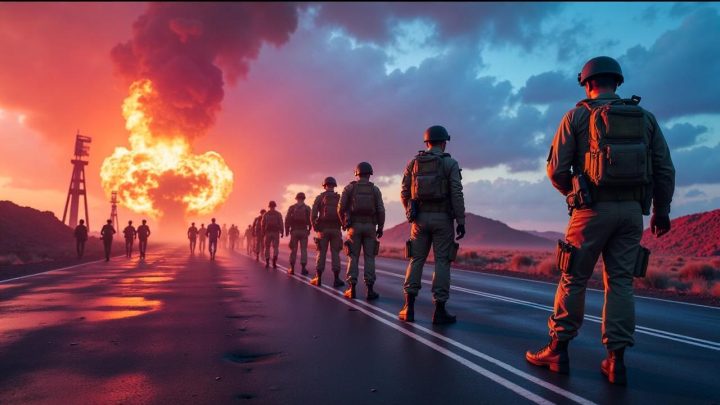
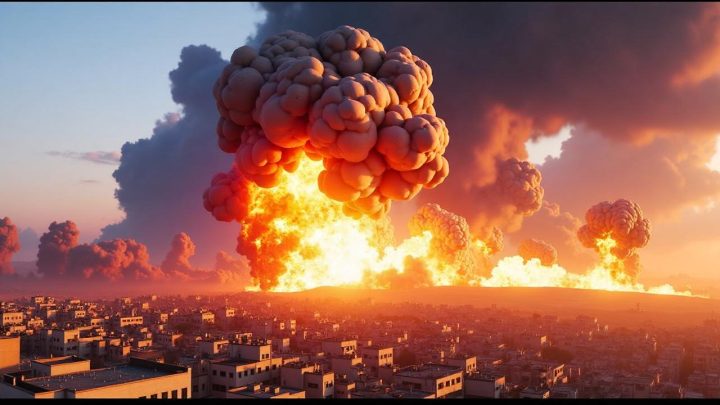
US launches new strikes against Iran – Hours after the United States revoked a temporary license that had allowed Iranian oil exports to bypass sanctions, military forces launched a series of aerial attacks targeting Iranian assets in the early hours of Wednesday. The strikes followed incidents in the Strait of Hormuz, where three merchant vessels were reportedly damaged by projectiles on Tuesday, escalating regional tensions. This development comes amid ongoing diplomatic friction between Washington and Tehran, with the U.S. seeking to hold Iran accountable for disrupting global shipping routes.
U.S. Military Action and Immediate Consequences
The U.S. Central Command confirmed the airstrikes in a social media statement, stating that American forces acted to “impose heavy costs on Iran for targeting commercial shipping and endangering innocent civilian crews in international waters.” The statement criticized the Iranian actions as “unwarranted, dangerous, and a clear violation of the ceasefire agreement,” underscoring the strategic importance of the strait as a vital artery for global energy trade.
The attacks on the three tankers, which occurred in the waters near Oman, marked the most significant incident of its kind since late April, according to the U.N. International Maritime Organization. British officials, via the United Kingdom Maritime Trade Operations center, reported that one of the vessels—a liquefied natural gas carrier—caught fire after being struck, while the other two sustained damage but continued their journeys with no reported injuries. The exact cause of the incidents remains under investigation, though Iranian state television claimed the vessels were targeted after ignoring warnings.
Revoked License and Geopolitical Context
Separately, the U.S. Treasury Department’s 60-day waiver on Iranian oil sanctions was rescinded, a move that immediately disrupted the interim agreement aimed at easing economic tensions between the two nations. This decision, announced by a U.S. official speaking to The Associated Press, was framed as a response to Iran’s “unacceptable actions” in the Strait of Hormuz. The official emphasized that the strikes were necessary to send a strong message about the consequences of Iran’s continued aggression against commercial shipping.
The revoked license had previously enabled Iranian oil to flow freely into international markets, a provision intended to stabilize trade during a fragile period of détente. By terminating this waiver, the U.S. signaled its readiness to reimpose sanctions, aligning with broader efforts to pressure Iran into compliance with international norms. The timing of the decision—just hours before the military strikes—suggests a coordinated strategy to reinforce economic and military pressures simultaneously.
Iranian Tactics and Strategic Motives
Tehran has long asserted that its approved route through the Strait of Hormuz is the only safe passage for vessels, yet the recent attacks imply a broader campaign against ships using alternative routes closer to the Omani coast. Data from the UK maritime agency indicates all three incidents occurred off the coasts of Oman or the United Arab Emirates, pointing to a deliberate targeting of commercial traffic in the region. This pattern raises questions about Iran’s intent to destabilize global oil supply chains, particularly as the strait remains a critical chokepoint for over 20% of the world’s oil exports.
While Iranian state media did not directly claim responsibility for the attacks, they accused the vessels of “disregarding warnings” before being struck. The lack of immediate acknowledgment from the Iranian mission to the United Nations further fuels speculation about the country’s motives. Analysts suggest that Iran may be testing the resolve of its adversaries or attempting to provoke a larger response from the U.S., which has increasingly relied on military force to counter perceived threats in the region.
Impact on Global Trade and Diplomatic Relations
The coordinated strikes and tanker attacks have raised concerns about the security of maritime trade, particularly in the Gulf. With the strait already a flashpoint for conflict, the incidents threaten to disrupt fuel shipments, potentially driving up prices and straining global markets. The U.S. aims to leverage its military presence to safeguard shipping lanes, but the effectiveness of such measures remains uncertain in the face of Iran’s persistent aggression.
Despite the heightened tensions, there have been calls for diplomatic engagement to prevent further escalation. However, the revocation of the oil license and the subsequent strikes underscore a shift toward more assertive U.S. policy in the region. The move also highlights the complex interplay between economic diplomacy and military action, as Washington seeks to balance pressure on Iran with the need to protect vital trade interests.
As the situation unfolds, the international community watches closely for signs of a broader conflict. The United Nations has expressed concern over the attacks, while allies like the UK and France have reaffirmed their support for U.S. efforts to secure the region. Meanwhile, Iran continues to deny direct involvement, instead framing the incidents as part of a larger strategy to challenge Western influence in the Middle East.
Looking Ahead: A Test of Resilience and Resolve
The combination of military strikes and the oil sanctions reversal marks a pivotal moment in the ongoing standoff between the U.S. and Iran. With the strait of Hormuz remaining a key battleground, the region’s stability hinges on the ability of both sides to manage their competing interests. The next steps will likely depend on whether Iran escalates its attacks or seeks to negotiate a new ceasefire, while the U.S. prepares for potential retaliatory measures.
For now, the situation appears to be a demonstration of power rather than an outright war. The U.S. has positioned itself as a defender of free trade, while Iran insists its actions are justified in the context of regional security. As the world’s energy markets remain vulnerable to disruption, the question of who will ultimately prevail in this high-stakes conflict continues to dominate headlines, with far-reaching implications for global geopolitics and the economy.
Amid the mounting pressure, the U.S. has also emphasized its commitment to working with allies to counter Iranian aggression. The recent attacks have prompted renewed discussions about joint naval operations and the need for a unified front against threats to international shipping. Yet, the absence of immediate Iranian retaliation suggests a calculated approach, with Tehran likely weighing its options before taking further action.
As the conflict evolves, the focus will remain on the strait of Hormuz, a narrow passage that connects the Persian Gulf to the Arabian Sea. The U.S. military’s swift response to the tanker incidents demonstrates its preparedness to act decisively, but the long-term success of its strategy will depend on maintaining the balance between deterrence and diplomacy. For now, the region braces for continued volatility, with the potential for more strikes and sanctions as the standoff intensifies.