How to Keep Your House Cool Without Air Conditioning During a Heatwave
How to keep your house cool – As temperatures soar and heatwaves intensify, the demand for cooling solutions is growing rapidly. Yet, while air conditioning (AC) is often seen as a go-to remedy, experts caution that this approach may lead to unintended consequences. The UK, like many nations, faces a critical juncture where adapting to hotter summers could mean choosing between energy-intensive cooling systems and more sustainable strategies. The key lies in rethinking how we approach heat management in our homes.
The Hidden Costs of Cooling
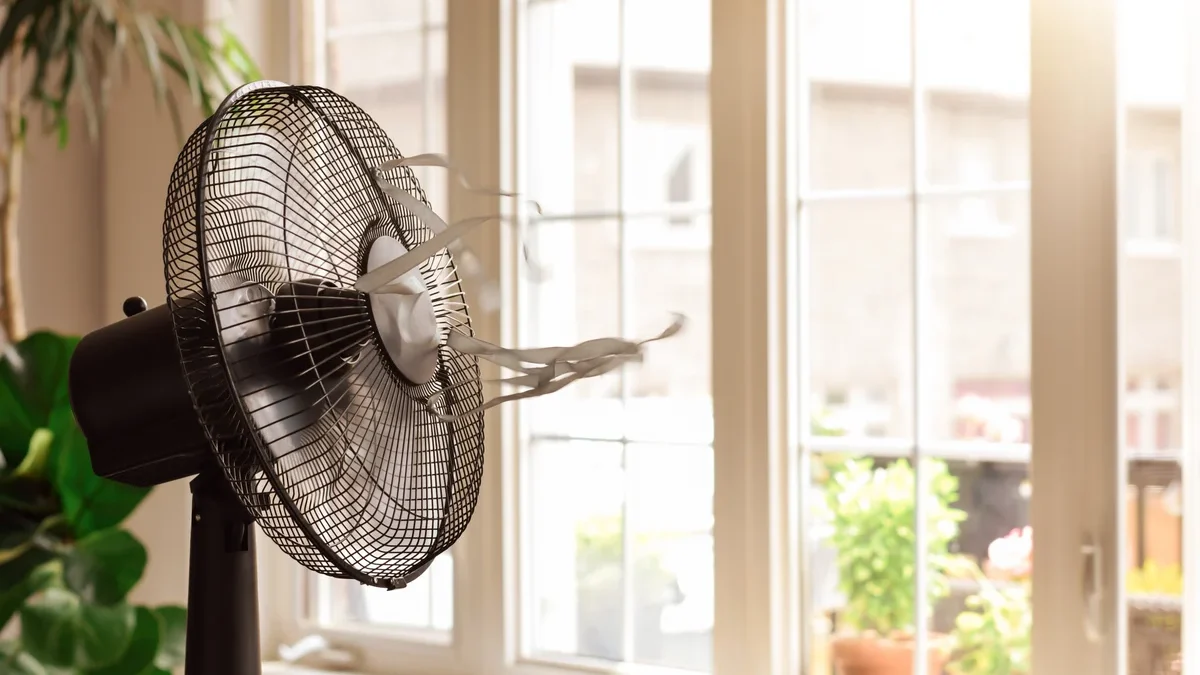
During the 2022 heatwave, which saw temperatures peak at 40°C, a surge in AC usage became evident. Our survey of over 1,600 UK households revealed that two-thirds relied on fans, while a fifth turned to air conditioning. Notably, the majority of these units were purchased in the aftermath of the extreme weather, highlighting how swiftly consumer behavior can shift in response to heat. However, this rapid adoption comes with a price.
Overheating incidents in UK homes have skyrocketed. In 2022, 80% of households reported uncomfortably high temperatures during summer, a figure four times higher than a decade earlier. By the end of this century, 40°C heat is projected to occur frequently, further driving the need for cooling. Yet, the surge in AC adoption has already created a dilemma: the energy required to power these systems during peak demand strains the grid, forcing the UK to temporarily revive coal-fired power plants in 2022 and 2023 to maintain electricity supply.
AC also exacerbates social inequalities. For affluent households, it’s an accessible luxury. But for lower-income families, the cost of installation and operation can be prohibitive, leaving them more vulnerable to heat-related health risks. This disparity underscores the importance of integrating cooling solutions into broader housing policies that address both energy efficiency and affordability.
Passive Cooling: A Cost-Effective Alternative
There’s a well-established principle for winter energy use—“insulation first.” This strategy prioritizes reducing heat loss, making it easier to maintain indoor temperatures with less energy. A similar approach can be applied to summer cooling. By focusing on passive measures that prevent heat from entering homes in the first place, we can significantly reduce reliance on mechanical systems.
Passive cooling techniques are often low-cost, easy to implement, and long-term solutions. For example, in Rome, window shutters are a common sight, yet they effectively block sunlight and lower indoor temperatures. Similarly, in Spain, the cultural practice of siestas during the hottest hours allows people to avoid peak outdoor heat, aligning their routines with natural temperature patterns. These examples demonstrate how simple design choices and behavioral adjustments can make a substantial difference.
UK homes, however, still associate heat with pleasant weather. Sunny weekends prompt trips to the beach or barbecue sessions, even when temperatures are dangerously high. This mindset creates a mismatch between perception and reality, worsening the public health risks associated with prolonged exposure to extreme heat. Experts argue that this disconnect must be addressed through targeted education and awareness campaigns.
Policy and Planning for a Hotter Future
Current energy policies in the UK are tailored for winter, not summer. Programs focused on improving insulation and reducing heating costs often overlook the risks of trapping heat within well-insulated buildings. To combat this, housing regulations must incorporate overheating risk as a priority. This includes designing buildings with natural ventilation in mind and using materials that reflect sunlight rather than absorb it.
Public communication is another vital area needing improvement. While color-coded weather warnings offer a starting point, many still view 30°C as ideal for outdoor activities. Effective campaigns must shift this mindset, encouraging proactive measures like closing curtains during the day or opening windows at night. Such strategies can reduce the need for AC while maintaining comfort.
Moreover, the UK’s transition to renewable energy must account for summer cooling. Decarbonizing heating has been a focus, but the growing reliance on AC demands parallel attention. By investing in reversible heat pumps and energy-efficient cooling systems, the nation can balance the need for comfort with environmental sustainability.
Designing for the Climate, Not Against It
The 2022 heatwave served as a wake-up call. While AC offers immediate relief, it should be a last resort, not the first solution. A smarter approach involves reducing cooling demand through design and behavior before resorting to mechanical systems. This could mean rethinking building layouts to maximize airflow, using green spaces as natural coolers, or incorporating thermal mass to regulate indoor temperatures.
Reducing demand not only eases the strain on energy grids but also lowers overall costs. For instance, a study highlighted that passive cooling methods like shading, proper ventilation, and thermal insulation can cut cooling needs by up to 50%. These measures are particularly impactful in urban areas, where heat islands amplify temperature extremes.
By learning from regions with hotter climates, such as southern Europe, the UK can adopt scalable solutions. In places like Spain, cultural habits and architectural adaptations have long mitigated the effects of heat. Applying these insights could help the UK avoid a future where cooling becomes the primary energy use, deepening inequality and increasing carbon emissions.
A Call to Action
The challenge ahead requires a shift in both policy and public behavior. Energy providers, planners, and policymakers must collaborate to create a cooling strategy that’s as sustainable as heating initiatives. This includes updating building codes, incentivizing energy-efficient appliances, and investing in infrastructure that supports natural ventilation.
Individuals also play a role. Simple steps like using fans, closing windows during heatwaves, and planting trees around homes can make a significant difference. These actions, when adopted collectively, can reduce the pressure on energy systems and create a more resilient, climate-friendly future.
Ultimately, the goal is to keep homes cool without overheating the planet. AC will remain essential during extreme events, but its role should be supplemented by proactive, low-impact measures. By integrating these strategies, the UK can adapt to a warmer world while safeguarding both public health and the environment.
“We can answer the 40°C heatwave with more AC and more bills, emissions, and inequality—or we can redesign our buildings, streets, and routines to work with the climate, not against it,” says Mehri Khosravi, an Energy and Carbon Senior Research Fellow at the University of East London.
With climate change accelerating, the time to act is now. Embracing passive cooling, updating energy policies, and shifting cultural perceptions of heat will be crucial in ensuring a comfortable, sustainable future for all. The path to a cooler home doesn’t have to come at the expense of the planet’s health.
Join the conversation about climate resilience and energy efficiency. Share your thoughts and explore other perspectives on the Independent platform.
This article is republished from The Conversation under a Creative Commons license. Read the original article.