
Butterfly numbers are dropping but here are five species you may see more of
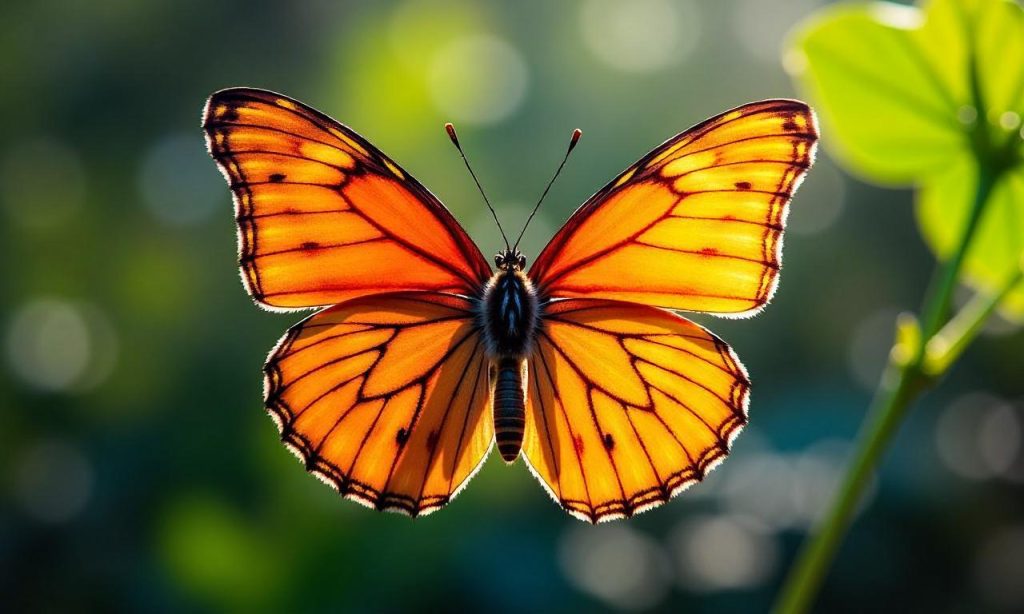
Butterfly numbers are dropping but here are five species you may see more of
Over the past 50 years, the UK has witnessed a notable shift in its butterfly populations, with certain species experiencing growth while others face steep declines. This change is attributed to warmer, sunnier conditions linked to climate change, according to the UK Butterfly Monitoring Scheme (UKBMS). However, the overall trend underscores a concerning loss of biodiversity among the country’s most iconic butterflies.
The UKBMS, the largest ongoing citizen science project tracking insects, has compiled over 44 million records from more than 782,000 volunteer surveys since 1976. Of the 59 native species monitored, 33 are in decline, 25 have improved, and one mountain species lacks sufficient data for evaluation. The scheme’s findings reveal a growing disparity between adaptable butterflies and those dependent on specialized habitats.
Species like the Red admiral have benefited from milder winters, now overwintering in the UK instead of migrating. Comma butterflies, known for their irregular wing edges, have seen population recovery. The Orange tip, once a common sight, has increased by over 40% since the 1970s. Conservation work has also aided the Black hairstreak, a rare UK butterfly, and the Large Blue, which was declared extinct in 1979 but has since rebounded.
Conversely, specialists such as the pearl-bordered fritillary and white-letter hairstreak are struggling. The latter has dropped by 80% since the survey began, while the former has declined by 70%. These declines reflect habitat loss, as areas like woodland clearings and chalk grasslands face increasing pressure. Specialist butterflies often fail to expand their ranges due to the lack of suitable new environments.
“The data collected over five decades is truly extraordinary,” says Prof Jane Hill, a butterfly expert at the University of York. “It sets a gold standard for wildlife surveys globally.” She adds that butterflies, being cold-blooded, respond positively to warmer conditions, allowing them to extend their geographic reach and breeding seasons into northern regions like Scotland.
Prof Richard Fox, head of science at Butterfly Conservation, notes that the loss of biodiversity mirrors broader ecological shifts. “We’ve seen the disappearance of traditional skills and family-run shops from high streets—similarly, our landscapes are losing variety and diversity,” he says. This is due to simplified habitats and land-use changes, which disrupt the delicate balance required by some species.
Conservation efforts focus on preserving and expanding habitats critical for survival. However, challenges remain, as many butterflies depend on specific plants for their caterpillars’ diets. For instance, the Duke of Burgundy relies solely on primroses and cowslips, while the purple emperor depends on goat or grey willow. Protecting these food sources is vital to sustaining populations.
Steve Wilkinson of the Joint Nature Conservation Committee highlights the importance of volunteers. “Without this evidence timeline, we’d be flying blind,” he says. “The quality and continuity of data enable us to measure conservation success and identify where to focus future efforts.” The UKBMS’s extensive coverage of over 7,600 sites and 932,000 miles of surveying underscores the community’s role in tracking ecological changes.
