George Washington’s Letter Accepting British Surrender to Go on Display for the First Time
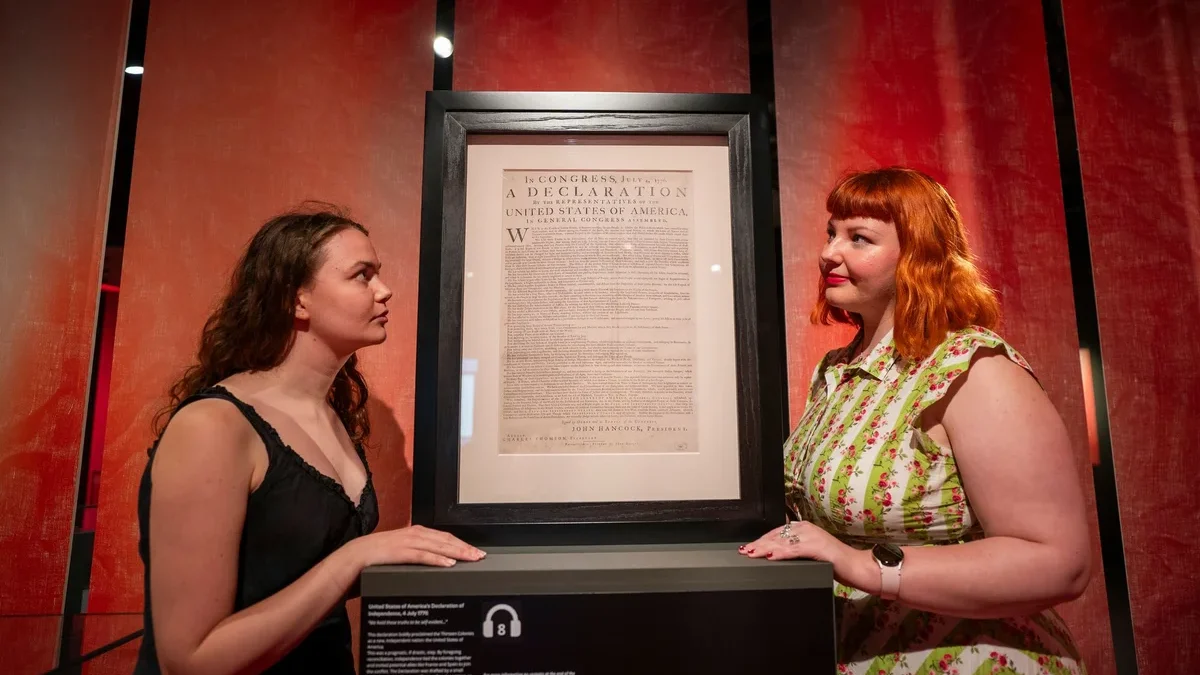
George Washington letter accepting British surrender – For the first time in history, a pivotal letter penned by George Washington, which signified the British surrender in the American Revolutionary War, is set to be unveiled to the public in London. This document, a cornerstone of the nation’s independence narrative, will be showcased as part of the ‘Revolution 250: America’s Independence Story, 1763–1783’ exhibition at The National Archives in Kew. The display offers a rare opportunity to witness a moment that reshaped the course of global history.
A Historic Turning Point in the War
Written in October 1781, following the decisive British defeat at Yorktown, Virginia, the letter marks the beginning of the end for colonial rule in America. It served as the catalyst for the negotiations that culminated in the 1783 Treaty of Paris, where Britain officially acknowledged the sovereignty of the United States. The document is not just a piece of correspondence—it is a symbol of a new era in international relations.
According to the exhibition’s organizers, the letter was originally presented to British Lieutenant General Charles Cornwallis, who had surrendered to Washington at Yorktown. The document remained in Cornwallis’s possession at his Audley End estate in Essex until it was donated to the Public Record Office in 1880. Its journey from battlefield to archive underscores its enduring historical value.
“For such a short, succinct, and to the point message, this note had tremendous consequences for generations to come,” remarked Dr. Sean Cunningham, the exhibition’s curator. He added, “This is the moment the British realised they would have to give up the 13 colonies that would become the United States of America; the moment that Britain finally accepts the reality of the declaration of independence drafted five years earlier. Seeing Washington’s acceptance of British surrender up close is a powerful encounter with a turning point in history.”
The ‘Revolution 250’ exhibition aims to highlight the complex events that led to American independence. It weaves together narratives from both sides of the Atlantic, providing a multifaceted view of the conflict. Among the notable items on display are the Stamp Act and the Tea Act, which were pivotal in igniting colonial unrest. These acts, coupled with the Boston Tea Party protest, are examined alongside a copy of the Declaration of Independence, offering visitors a comprehensive look at the ideological and political forces at play.
The exhibition also seeks to challenge traditional interpretations of the war. Dr. Cunningham emphasized that the display includes perspectives that reveal the deep divisions and ongoing debates surrounding the conflict. “Alongside the iconic documents, we’re bringing forward voices that question established histories,” he said. This approach invites visitors to consider the broader implications of the war beyond the well-known military campaigns.
A New Chapter in U.S. Diplomacy: Commemorative Passports Featuring Trump
As the nation celebrates its 250th anniversary, the U.S. State Department has announced a limited release of commemorative passports that feature a portrait of former President Donald Trump. This marks a significant departure from previous designs, as Trump will be the first living president to appear on a U.S. passport. The special edition, which includes a rendering of his stern visage, was approved after months of deliberation.
Officials stated that the passports will initially be available only to applicants at the Washington, D.C., passport office and will be offered on a discretionary basis. Those who prefer the standard passport can still opt for it, ensuring the commemorative version remains a special addition rather than a mandatory one. The design includes custom artwork and enhanced imagery, while retaining the security features that make U.S. passports among the most reliable travel documents globally.
“These passports will feature customised artwork and enhanced imagery while maintaining the same security features that make the U.S. passport the most secure documents in the world,” said State Department spokesperson Tommy Pigott. The decision to feature Trump reflects his prominent role in American history during a transformative period. His presidency, marked by both controversy and innovation, aligns with the nation’s ongoing evolution.
The inclusion of Trump on the passport raises intriguing questions about how historical figures are commemorated. While the focus of the exhibition is on the Revolutionary War, the passport initiative adds a modern layer to the discussion of national identity. Both efforts underscore the importance of preserving and revisiting historical milestones, even as they incorporate contemporary significance.
The letter and the passport are more than artifacts—they are testaments to the dynamic nature of history. The document from Washington captures the essence of a nation’s birth, while the passport reflects the ongoing narrative of its growth. Together, they highlight how pivotal moments, whether in the past or present, shape the identity and direction of a country.
Visitors to the ‘Revolution 250’ exhibition will not only see the letter but also engage with a broader story of resilience and change. The combination of historical documents and modern commemorative items invites reflection on the interconnectedness of past and present. As the exhibition opens, it promises to offer a fresh perspective on the events that defined the United States’ independence, while also celebrating its continued journey into the future.
Meanwhile, the State Department’s decision to honor Trump on the passport underscores the evolving nature of national symbols. Even as the nation looks back to its revolutionary roots, it continues to find new ways to represent itself in the eyes of the world. The two initiatives—though separated by centuries—share a common goal: to preserve history and inspire future generations.