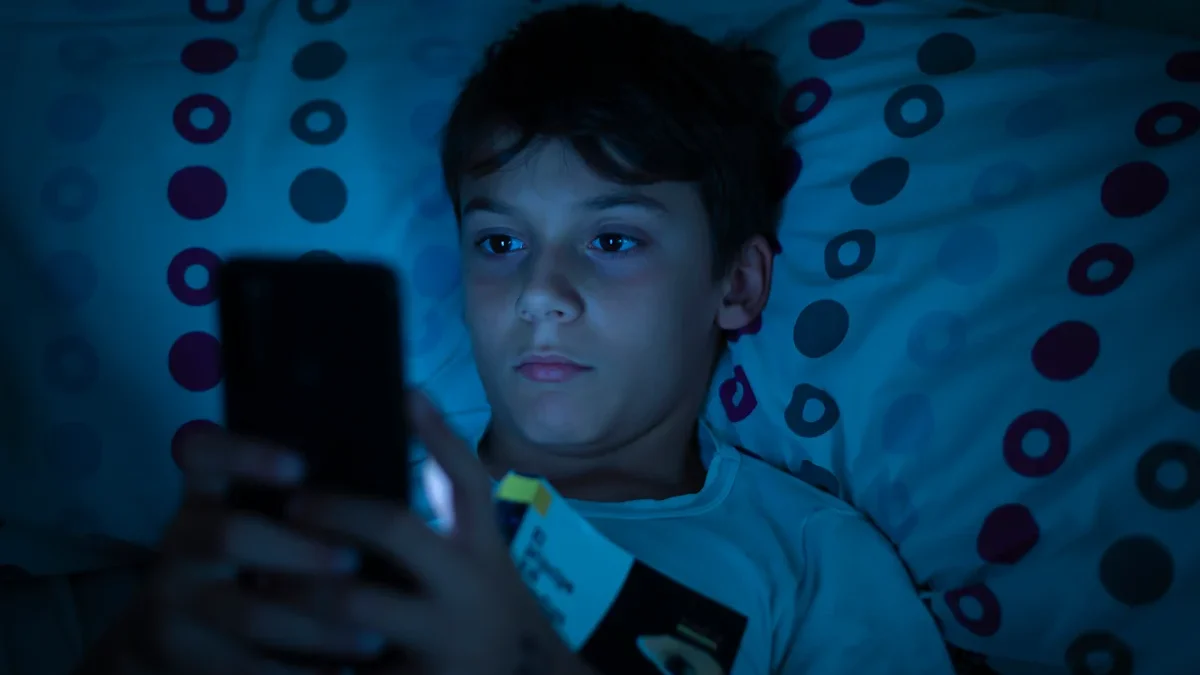
Poor Childhood Sleep Linked to Doubled Risk of Teenage Depression, Study Finds
Poor childhood sleep doubles risk of teenage – A recent study has revealed a significant connection between sleep patterns in early childhood and the likelihood of developing depressive symptoms during adolescence. According to researchers at the University of Birmingham, children who consistently struggle with inadequate sleep from infancy through early childhood are more than twice as likely to experience persistent mental health challenges in their teenage years. This discovery underscores the importance of addressing sleep issues during formative years as a potential preventive measure for later emotional well-being.
Methodology and Data Collection
The research drew on data from the long-standing Children Of The 90s study, also known as the Avon Longitudinal Study Of Parents And Children. This extensive longitudinal project, which has tracked over 15,000 participants since the 1990s, provided critical insights into the relationship between sleep duration and psychological health. Researchers analyzed sleep records from children at six distinct developmental stages: six, 18, and 30 months old, as well as 3.5, four to five, five to six, and six to seven years of age. Sleep length was documented meticulously, offering a comprehensive view of how sleep habits evolve over time.
In addition to sleep data, the study also examined inflammatory markers in the blood of participants at age nine. Inflammation, a natural response of the immune system to injury or infection, was considered as a potential intermediary factor in the link between sleep and depression. The findings suggest that persistent short sleep during early childhood might influence the body’s inflammatory processes, which could, in turn, contribute to long-term mental health risks.
Key Findings and Implications
Among the 15,000 children studied, 308 were identified as having consistently short sleep durations across multiple time points. These children showed a marked increase in the probability of reporting high levels of depression symptoms when they reached adolescence and young adulthood. Specifically, the research found that those who experienced inadequate sleep from six months to seven years of age were nearly twice as likely to exhibit a pattern of enduring depressive symptoms from 13 to 22 years old.
“Our results show that children who experience shorter nighttime sleep duration from six months to seven years are nearly twice as likely to exhibit a pattern of persistently high depression symptoms that persist from 13 to 22 years of age,” the researchers stated in the journal *European Child & Adolescent Psychiatry*.
The study, supported by the National Institute for Health and Care Research (NIHR) Biomedical Research Centre: Oxford Health, highlights the role of sleep as a “modifiable factor” that can be addressed through lifestyle changes. This is particularly important because, as the team emphasized, sleep problems in early life are often easier to correct than complex emotional symptoms that develop later. By focusing on sleep during childhood, parents and caregivers can potentially reduce the risk of more severe mental health issues in adolescence.
Dr. Isabel Morales-Munoz, the lead researcher from the University of Birmingham, explained the study’s findings to the Press Association. She noted that while poor sleep is common in early childhood, it is the consistent, prolonged lack of sleep that correlates with heightened depression risks. “We found that the small numbers of children who had persistently shorter sleep across childhood saw some increased risk of developing depression during adolescence,” she added, stressing that the doubling of odds, though notable, affects only a minority of participants.
The study also revealed mixed evidence regarding inflammation’s role. While some correlations were observed between inflammatory markers and depression symptoms, the findings were not definitive. This suggests that while inflammation may play a part, it is not the sole contributor to the mental health impact of sleep deprivation. The research team recommended further investigation into how sleep and inflammation interact over time.
Recommendations for Parents and Caregivers
Experts from the University of Birmingham have urged parents to prioritize sleep habits in young children. They emphasized that simple interventions—such as establishing consistent bedtime routines, limiting evening screen time, and promoting daytime physical activity—can make a substantial difference. Creating a calm and sleep-friendly environment is also highlighted as a key strategy to help children achieve better rest.
Dr. Morales-Munoz, reflecting on the importance of these measures, stated, “I know sometimes they are not easy but sometimes they are easier than treatment for emotional symptoms.” She pointed out that sleep is a fundamental aspect of childhood that can be influenced without relying on medical interventions. This makes it a practical and accessible target for improving mental health outcomes.
Dr. Rebekah Amos, a co-author of the study, echoed this sentiment. She noted that addressing sleep issues early can yield benefits beyond mental health, such as enhanced cognitive function and better physical development. “Sleep is also an element of childhood that is possible to improve without needing medical interventions,” she said, adding that early efforts to tackle sleep problems can prevent a cascade of challenges later in life.
Broader Health Considerations
While the study primarily focused on depression, its findings have broader implications for overall child health. Researchers suggest that poor sleep can act as a risk factor for multiple developmental issues, including attention problems, behavioral difficulties, and even physical health conditions. The team emphasized that the link between early sleep patterns and later mental health outcomes is not merely coincidental but rooted in biological and behavioral mechanisms.
Dr. Morales-Munoz explained that persistent short sleep might disrupt the brain’s ability to regulate emotions effectively. This could lead to heightened sensitivity to stressors and reduced resilience during critical developmental periods. “It’s the first study to show the detrimental effect of persistent shorter nighttime sleep duration from infancy to childhood on more enduring and severe forms of depressive symptoms across adolescence and emerging adulthood,” she said, underscoring the novelty of their research.
The study also raises questions about how societal factors—such as screen time, lifestyle changes, and parental practices—might influence sleep quality. For instance, the increasing prevalence of electronic devices in homes has been linked to delayed sleep onset and shorter sleep durations in children. Researchers recommend that parents consider these factors when designing routines that support healthy sleep habits.
Ultimately, the findings call for a proactive approach to childhood sleep. By recognizing the long-term consequences of early sleep deprivation, parents can take steps to ensure their children develop strong, consistent sleep patterns. This not only addresses immediate concerns but also lays the groundwork for a healthier mental state in adolescence and adulthood. As Dr. Amos concluded, “Efforts to address persistent poor sleep during childhood will have a host of benefits, including mitigating potential mental health risks and fostering overall well-being.”