Chicago Grand Jury Review Expands After Misconduct Allegations
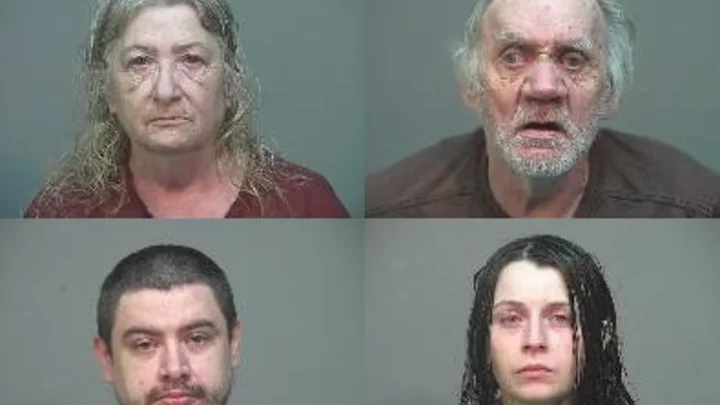
Sweeping review of grand jury presentations – Following recent accusations of misconduct, the Justice Department has initiated a comprehensive review of grand jury presentations in Chicago. This process, led by Andrew Boutros, the U.S. attorney for the Northern District of Illinois, involves examining over 1,000 cases, spanning nearly two decades. The review stems from the dismissal of a notable case involving four activists, whose charges were dropped after a judge raised concerns about improper conduct during the trial. The incident, which occurred during a heightened immigration enforcement operation in Chicago, has prompted a deeper look into how prosecutors prepare and present cases to grand juries.
Background of the Misconduct Case
The misconduct allegations surfaced during the activists’ trial, which had drawn significant public attention as they protested outside a federal building. The case was abruptly halted in May when a judge found evidence that prosecutors had engaged in informal meetings with grand jurors outside of official proceedings. These interactions, which critics argue could have influenced the jury’s decision, led to the case’s dismissal and highlighted potential flaws in the grand jury process. Other jurors who opposed the case were reportedly sidelined, further intensifying scrutiny over the fairness of the proceedings.
Boutros, who was in Washington for a separate press event, acknowledged the necessity of the review. He emphasized that the process is already underway and aims to evaluate whether past practices upheld ethical standards. The scope of the review includes both current and historical grand jury presentations, suggesting a broader examination of prosecutorial behavior. This could lead to reforms that ensure transparency in how cases are presented and prevent similar issues in the future.
Transparency and Public Reaction
After the case was dismissed, the judge released the transcripts of the grand jury presentation, providing the public with a glimpse into the prosecutors’ arguments. These documents revealed a juror’s frustration, with one describing the proceedings as a “crock of (expletive).” The comment led to the juror’s removal, underscoring the gravity of the misconduct claims. The transparency of the transcripts has sparked discussions about the influence of prosecutors on grand jury decisions, particularly through off-the-record interactions.
“This review is designed to ensure that all grand jury presentations are scrutinized for integrity and fairness,” Boutros stated during a recent press conference.
The release of the transcripts has intensified public debate over the role of prosecutors in shaping outcomes. Some view the dismissal as a win for civil liberties, while others see it as a sign of weakness in the justice system. The case has become a symbol of the tension between law enforcement actions and the rights of protest groups, raising questions about the balance between prosecutorial power and judicial oversight.
Broader Impact on the Justice System
With the review extending to past cases, Illinois prosecutors now face a critical examination of their practices. The focus is on whether similar misconduct could have affected other high-profile cases, as grand jury decisions often determine the fate of criminal charges. Experts suggest the initiative might result in stricter guidelines for interactions between prosecutors and jurors, ensuring that all communications are documented and transparent.
Grand juries are meant to act as a safeguard, evaluating evidence before charges are formally filed. However, the recent revelations expose vulnerabilities in this system, particularly when prosecutors exert informal influence. The case against the activists, now a catalyst for reform, has brought attention to the need for clearer protocols to protect the impartiality of grand jury proceedings. This could mark a significant shift in how cases are handled, potentially leading to greater accountability and public trust.