Kroger and Giant Eagle Merge: Implications for Consumers and the Grocery Market
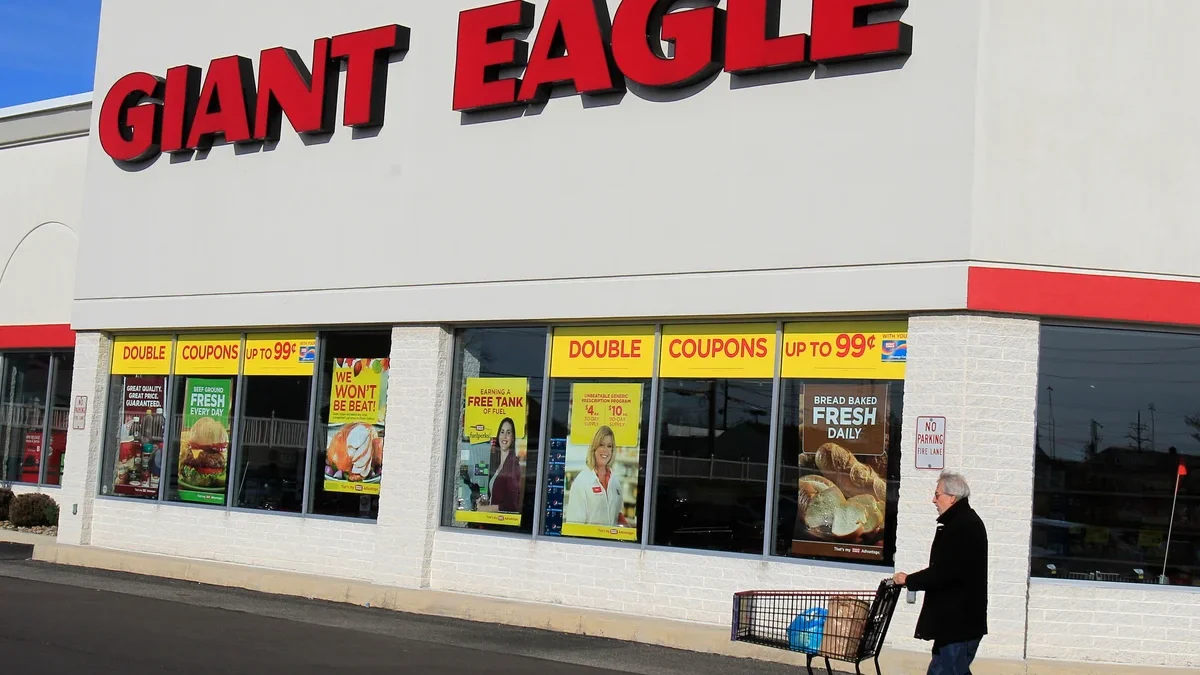
Kroger and Giant Eagle are merging – Kroger, one of the largest supermarket chains in the United States, has revealed plans to acquire Giant Eagle, a family-owned supermarket and pharmacy network. The deal, announced on Wednesday, will integrate nearly 200 Giant Eagle locations across Indiana, Maryland, Ohio, Pennsylvania, and West Virginia into Kroger’s existing operations. While the merger is expected to finalize in 2027, its effects on local shoppers could already be felt, particularly in markets with limited competition.
Strategic Expansion and Market Reach
According to Kroger’s CEO, Greg Foran, the acquisition aligns with the company’s long-term strategy to strengthen its presence in key regions. “We evaluated the opportunity carefully, and the strategic fit is clear,” Foran stated in a press release. The move aims to enhance Kroger’s footprint in adjacent markets, where Giant Eagle has established a strong customer base. Foran emphasized that the merger will provide Kroger with new opportunities to expand its offerings and services in areas that are “attractive for growth.”
Consumer Reactions and Price Expectations
The announcement has sparked mixed reactions from shoppers. On social media platforms, some expressed enthusiasm for the potential of combined services. “Kroger is a lot cheaper than Giant Eagle and they have a really great private label for organic foods called Simple Truth. I’m pumped for this,” one user noted on Facebook. However, concerns have also emerged about rising costs in regions where competition is sparse.
Policy advocate Sabina Matos, a Rhode Island Democratic Lieutenant Governor, warned that the merger could lead to higher prices. She highlighted a 2024 lawsuit involving Kroger and Colorado, in which the grocery chain admitted to raising prices in markets with limited alternatives. “This may not raise prices tomorrow, but allowing just a few firms—especially a notable bad actor like Kroger—to control large portions of the food retail market will inevitably lead to less competition and higher prices in the long term,” Matos explained in an email to The Independent.
Expert Analysis on Market Dynamics
Despite Matos’s concerns, retail analyst Diana Leza Sheehan, principal at PDG Insights, believes the immediate impact on prices might be minimal. “Retailers like Walmart and Aldi are doing a great job of keeping prices in check, and consumers have never had clearer transparency in price comparisons,” Sheehan said. She noted that Kroger’s market dominance in certain areas has not yet disrupted price competition, as other chains continue to challenge its presence.
However, Sheehan is not entirely confident that the merger will leave all Giant Eagle stores untouched. “Store closings are likely,” she remarked in an email to The Independent. “In the Ohio market, Kroger and Giant Eagle already compete directly, and the overlap in their service areas may force reductions in outlets. Giant Eagle has faced challenges in recent years, and Kroger may prioritize profitability by closing or selling underperforming locations.”
Branding and Operational Strategy
According to a Kroger spokesperson, the company has no plans to rebrand Giant Eagle stores or shut any of them down. This decision, however, has raised questions among experts. Ashish Chaturvedi, an executive research leader at HFS Research, pointed out that Kroger’s strategy of maintaining local banners reflects a focus on brand identity. “The logic is simple. A name like Giant Eagle carries generations of customer loyalty, and that loyalty is precisely what Kroger paid that hefty price tag for,” Chaturvedi said in an email.
The merger also signals a shift in Kroger’s approach to market expansion. While the company previously emphasized regional partnerships, the acquisition of Giant Eagle represents a more aggressive move into established territories. This could mean increased competition in areas like Ohio, where both chains already operate, potentially reshaping the retail landscape.
Historical Context of the Giant Eagle Ownership
This marks the second time Giant Eagle’s owners have sold the company to a larger national chain. The current ownership is a collective of five families, as detailed on the company’s official website. Three of these families founded Eagle Grocery in 1918, expanding it to 125 stores before selling it to Kroger in 1928. Just three years later, they joined forces with two additional families to create Giant Eagle, which has since grown into a significant regional player.
The acquisition reflects a broader trend in the grocery industry, where smaller chains are often absorbed by larger entities to scale operations. Kroger’s purchase of Giant Eagle follows its previous merger with Albertsons, which occurred earlier this year. This consolidation of market share could enable Kroger to better compete with other major retailers, such as Walmart and Target, while leveraging Giant Eagle’s established infrastructure.
Long-Term Impacts and Competitive Landscape
While the merger is likely to strengthen Kroger’s position, its long-term effects remain uncertain. Matos argued that concentrated market power could stifle innovation and pricing flexibility, particularly in areas where Giant Eagle and Kroger are the primary providers. She cited the 2024 Colorado lawsuit as evidence of Kroger’s history of price adjustments in less competitive regions.
Leza Sheehan countered that the presence of Walmart and Aldi in many markets acts as a buffer against monopolistic practices. “The competitive dynamics in the marketplace haven’t changed at all,” she said. “Consumers have access to multiple options, which keeps prices manageable even as Kroger grows.”
Future Outlook for Giant Eagle and Kroger
The integration of Giant Eagle into Kroger’s network is expected to streamline operations and improve efficiency. With over 2,700 stores and 2,270 pharmacies currently under Kroger’s management, the addition of 197 Giant Eagle locations and 11 standalone pharmacies will expand its reach. However, the company’s decision not to rebrand or close any Giant Eagle stores may be a strategic compromise to preserve customer loyalty.
Despite this, Sheehan remains cautious about the merger’s impact on Giant Eagle’s existing stores. “It’s very reasonable to expect 20 to 30 locations could be closed in the next few years,” she said. “Kroger is likely to optimize its footprint by eliminating weaker performers and focusing on high-margin areas.”
As the merger progresses, stakeholders will closely monitor its effects on pricing, service quality, and consumer choice. While some shoppers may benefit from Kroger’s discounts and private-label products like Simple Truth, others worry about the loss of local competition. The outcome of this deal could set a precedent for future mergers in the grocery sector, shaping the industry for years to come.
In the coming months, the merger will serve as a case study for how market consolidation affects both shoppers and smaller retailers. Whether it leads to greater convenience or higher costs depends on Kroger’s ability to balance growth with competitive pressures. The Independent will continue to follow developments as the deal moves toward completion in 2027.