Rediscovery of the ‘Seasquatches’ Offers Hope for Kelp Forests
A Bizarre Marine Creature Spotted Again in Northern California
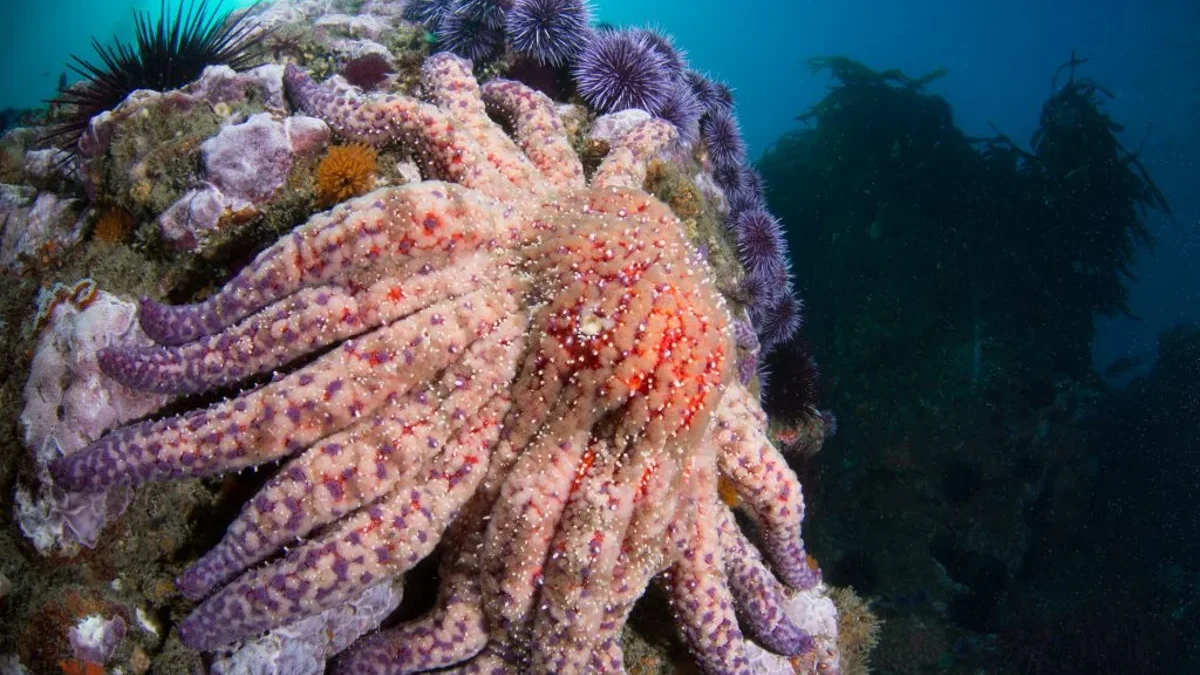
Wacky ocean species thought lost 10 years – Once presumed extinct after a decade-long decline, a peculiar marine species known as the sunflower sea star has been found alive in the waters off the Northern California coast. This creature, recognized for its vibrant colors and considerable size, can span over three feet in length and move with surprising speed, often evading detection in its underwater habitat. The discovery, made during a scientific expedition, has reignited discussions about the resilience of marine ecosystems and the possibility of reversing ecological damage caused by a devastating disease.
Scientists Uncover Survivors in a Critical Marine Sanctuary
Researchers from the National Oceanic and Atmospheric Administration (NOAA) recently announced the identification of 18 sunflower sea stars in the Greater Farallones National Marine Sanctuary. The findings, shared this month, mark a significant moment for marine biology, as these stars were believed to have disappeared entirely during the 2013-2017 sea star wasting disease outbreak. This disease, which caused the collapse of sea star populations, was so severe that it triggered the largest marine epidemic in recorded history, wreaking havoc on coastal habitats.
“This is promising news, as sea stars suffered a massive die-off ten years ago due to sea star wasting disease, which also devastated kelp forests,” stated NOAA’s National Marine Sanctuaries. The agency emphasized that the recovery of these stars could signal a turning point for the region’s fragile ecosystems.
The disease, responsible for the deaths of six billion sea stars, was initially linked to a mysterious pathogen. However, recent studies have identified the bacterium Vibrio pectenicida as the primary cause. Despite this breakthrough, scientists continue to investigate the factors driving its rapid spread among marine invertebrates. Researchers note that understanding these dynamics is crucial for preventing future outbreaks.
Ecological Shifts and the Role of Sunflower Stars
Ecologists warn that the decline of sunflower sea stars has led to an imbalance in ocean ecosystems. Melanie Prentice, an evolutionary ecologist at the Hakai Institute and the University of British Columbia, explained that the absence of these predators allows purple sea urchin populations to surge. “Without sunflower stars, sea urchins overconsume kelp, leading to habitat loss that impacts nearly 800 other keystone species,” she said. This loss has cascading effects, threatening the food chain and the livelihoods of humans who depend on marine resources.
Before the disease, sunflower sea stars played a vital role in maintaining the health of kelp forests. Using 16 to 24 arms, these creatures can move up to three feet per minute, actively preying on sea urchins that otherwise decimate kelp. Their return could help restore this natural control, preventing further degradation of the underwater forests. NOAA highlighted that the die-off left urchins unchecked, resulting in a 90% loss of kelp habitat in the Farallones. This decline has alarmed conservationists, who stress the importance of these forests as biodiversity hotspots.
Kelp Forests: Guardians of the Ocean and Climate
Stretching from Alaska to the Mexican border, kelp forests are more than just underwater landscapes—they are ecosystems that support a vast array of marine life. These forests provide shelter and sustenance for species like sea stars, sea otters, and sharks, as well as nearly 800 other critical organisms. Additionally, they act as natural carbon sinks, absorbing up to 40 tons of carbon dioxide annually per hectare, according to the Kelp Forest Alliance. This ability to combat climate change underscores their ecological and environmental value.
However, the forests now face renewed threats from human-induced climate change. The warming of ocean waters, exacerbated by marine heatwaves, has already caused widespread damage. This year’s “Godzilla” El Niño event, for instance, has further stressed kelp populations. NOAA warns that future heatwaves could compound these challenges, slowing kelp growth and reducing survival rates. The sunflower sea star’s recovery may offer a key strategy to counteract these pressures.
Hope for Restoration: New Strategies and Research
With the sunflower sea star’s reappearance, scientists are exploring innovative methods to aid their resurgence. Sarah Gravem of Oregon State University suggested in 2023 that restoring these stars could serve as a catalyst for kelp forest recovery. One approach involves breeding programs, as researchers at San Diego’s Birch Aquarium have already successfully spawned sunflower star larvae in controlled environments. Cross-breeding efforts may also produce more disease-resistant individuals, potentially bolstering their numbers.
Other strategies include pairing the stars with beneficial bacteria and algae, a technique that has shown promise in coral conservation. “Every month brings new insights, and we now have the tools, resources, and knowledge to tackle these challenges,” said Ashley Kidd, a conservation program manager at the Monterey Sunflower Star Laboratory. This optimism is tempered by the recognition that the stars are still classified as threatened, with ongoing efforts needed to ensure their survival.
Historic Moments and Community Efforts
The rediscovery of the sunflower sea star was celebrated as a historic milestone, achieved through the collaboration of Sonoma State University’s first “Pycnopalooza” diving event. Divers collected genetic tissues, water samples, and ecological data, which could be instrumental in future repopulation initiatives. “For those who saw them before the disease, it was like reuniting with an old friend,” remarked NOAA diver Tyler Mears. “But for me, it felt like discovering a dinosaur in the wild.” This vivid description highlights the emotional weight of the find.
Pat Webster, a diver involved in the event, shared the experience on social media, emphasizing the significance of the samples gathered. “This is more than just a scientific observation—it’s a chance to revive a species that once shaped our ocean’s balance,” he said. The data collected may help researchers develop targeted conservation strategies, addressing both the disease and environmental stressors.
A Call to Action: Protecting the Future of Marine Life
While the rediscovery is a cause for celebration, it also serves as a reminder of the fragility of marine ecosystems. The Center for Biological Diversity noted that the Trump administration’s National Marine Fisheries Service failed to meet deadlines for protecting the sunflower sea star under the Endangered Species Act. This delay has raised concerns about the pace of conservation efforts and the need for urgent action.
As scientists work to understand the factors behind the species’ comeback, the broader implications of their survival remain clear. The sunflower sea star’s return could be a beacon of hope for other marine species, demonstrating that recovery is possible with sustained research and community involvement. The next steps involve monitoring their population, implementing breeding programs, and addressing the root causes of the disease’s spread. For now, the ocean’s mystery continues, offering a glimpse into nature’s resilience and the potential for renewal.