Man Charged in Actor’s Killing Found Mentally Incompetent
Man charged in killing of actor – The man accused of murdering actor James Handy has been declared mentally unfit to face charges, according to a ruling by Los Angeles Superior Court Judge Maria Cavalluzzi. Michael Gledhill, 44, was found unable to understand the legal consequences of his actions or assist his defense team during the initial stages of the trial. This decision follows a series of psychological assessments that confirmed his impaired cognitive state, leading the court to suspend proceedings until further evaluations are completed.
Circumstances of the Crime
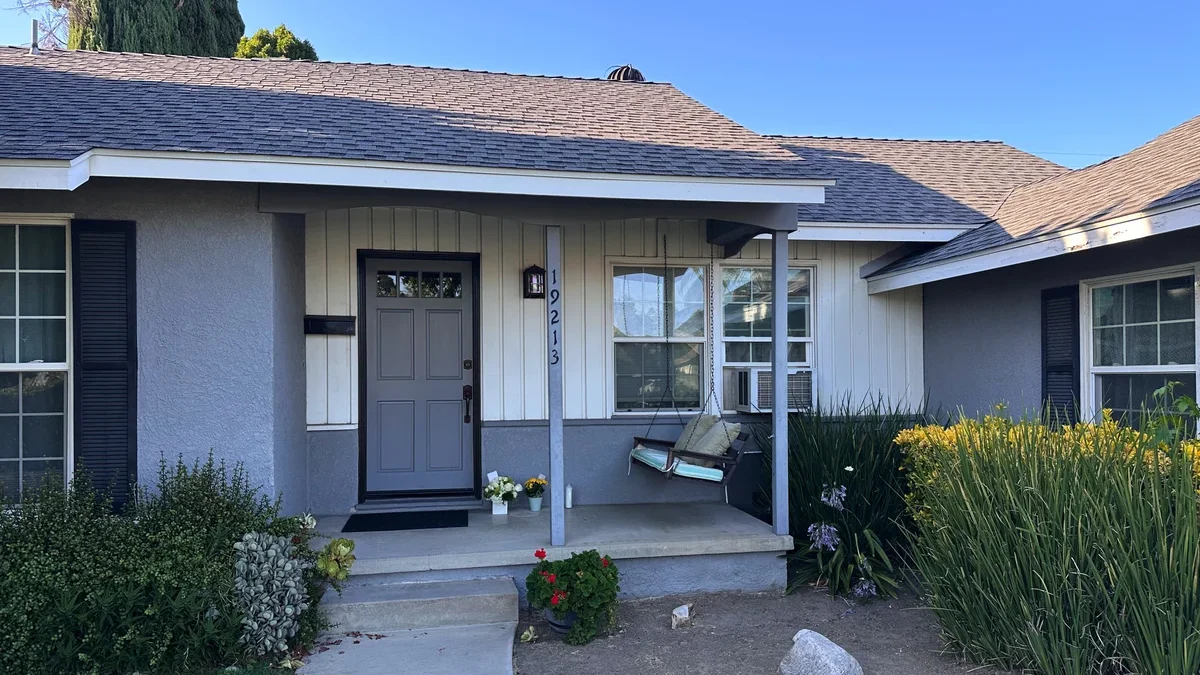
The fatal attack took place on June 3 at the residence of Handy’s longtime partner, where the actor was discovered stabbed in the chest and unconscious. Gledhill, who was reportedly living with his mother, had a close personal connection to the victim, as Handy had been in a relationship with Gledhill’s mother. Authorities stated the altercation likely occurred after the couple had spent time together, though the exact sequence of events remains under scrutiny. Handy, 81, was a well-known figure in Hollywood, having appeared in major films like “Jumanji” and “Top Gun: Maverick,” as well as television series such as “NCIS: Los Angeles.”
“I am the son of man, I just killed the man of sin,” claimed a 911 caller, whose cryptic statement helped identify Gledhill as the suspect. The caller’s words were instrumental in the investigation, which quickly led to the arrest of the accused after he confessed to the crime during police questioning. While the motive is still being explored, the connection between Gledhill and Handy’s partner has raised questions about the personal dynamics at play in the tragedy.”
Legal Implications and Next Steps
Following Gledhill’s arraignment on June 5, the court ordered a mental health evaluation to determine his capacity for trial. The process has now been transferred to a specialized tribunal, which will assess his ability to manage medications and grasp the legal proceedings. If his condition improves, the case will resume with a trial focused on the killing of the actor. For now, Gledhill’s involuntary treatment for one year has been mandated, allowing time for his mental state to stabilize.
The ruling underscores the importance of mental health in legal cases, particularly those involving the killing of an actor. Legal experts note that this development may delay the trial but is essential for ensuring a fair process. The court’s decision also highlights the challenges of prosecuting individuals who lack the capacity to understand their actions, potentially setting a precedent for future cases. Gledhill’s defense team will continue working to establish his mental fitness, while the prosecution prepares for the next phase of the trial.
Actor’s Legacy and Community Impact
James Handy was a beloved figure in the entertainment industry, known for his roles in films such as “Jumanji” and “Top Gun: Maverick,” as well as his appearances on popular TV shows. His work earned him a loyal following, and colleagues described him as a warm, community-oriented individual. The tragedy has sparked discussions about the role of mental health in personal relationships and the potential for such issues to lead to violent outcomes. Friends and fans have expressed shock at the killing of the actor, emphasizing his contributions to both film and television.
Handy’s death has also prompted reflection on the intersection of criminal justice and mental health care. While his case may take time to resolve, the focus remains on the man charged in the killing of the actor and the steps necessary to ensure a just legal outcome. The case serves as a reminder of the complexities involved in prosecuting individuals with mental health conditions, and how such challenges can shape the trajectory of a trial. As Gledhill undergoes treatment, the court awaits further evidence to determine whether he will be ready to stand trial in the near future.